Choosing a Jaw Crusher for 800 tph Limestone in Vietnam
800 tph is a machine-count decision first
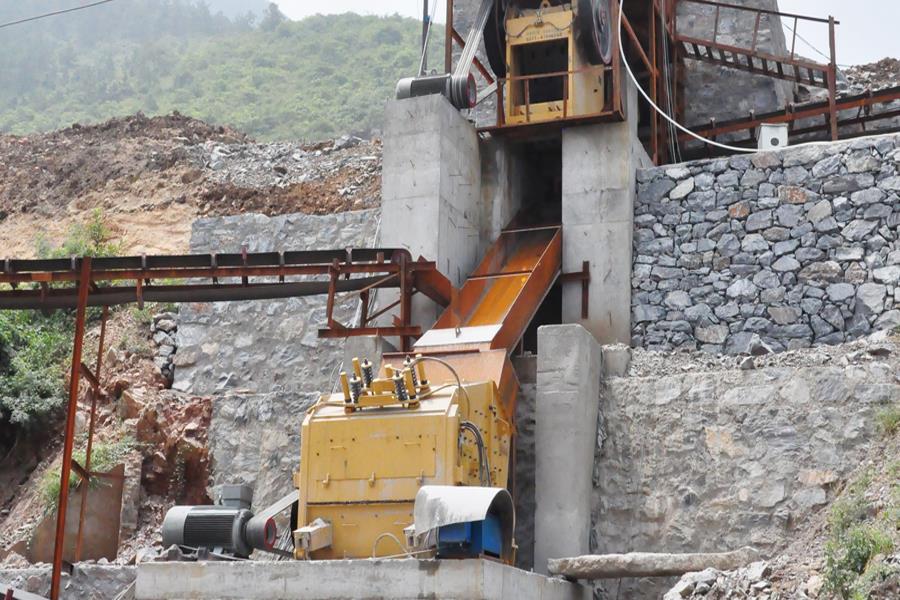
Choosing a jaw crusher for 800 tph limestone in Vietnam starts with a realistic look at what one jaw can take. Most single frames top out well below that tonnage, so the usual answer is two primary jaws in parallel feeding a common screen and secondary stage, or one very large primary where the feed and budget support it. The selection then follows feed size, product requirement and maintenance capability, not the biggest model in the catalogue. Choosing a jaw crusher for 800 tph limestone crushing in Vietnam is a machine-count decision before it is a model decision.
What the jaw has to take
List the feed size distribution, the largest lump after blasting, the feed moisture and the required closed-side setting. Limestone weighs around 2.6 tonnes per cubic metre, and a jaw rated at a loose, dry feed on a wide setting will not keep the same number when the CSS tightens or the stone sticks. Put your numbers into the enquiry and require the rating stated on that basis, not the top of the datasheet range.
Jaw type and adjustment
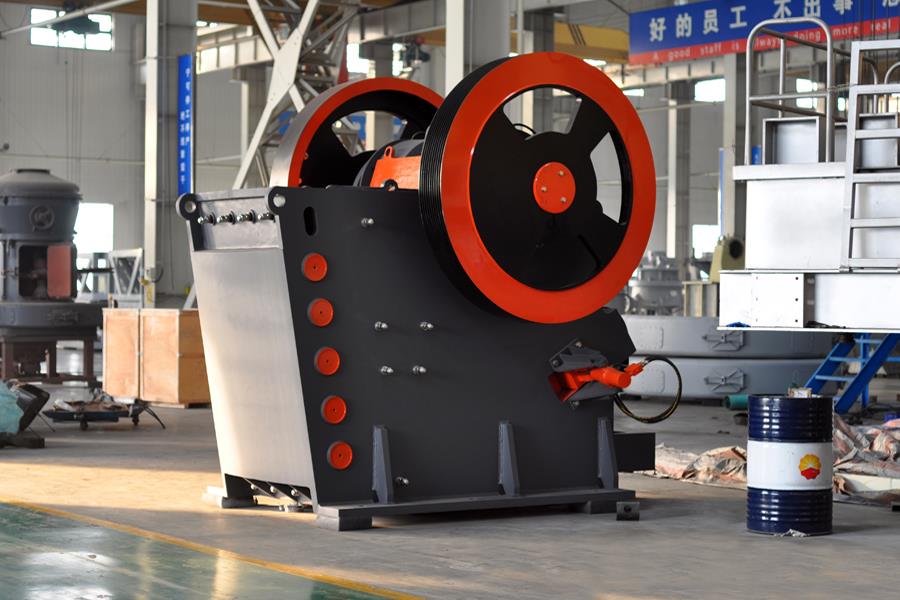
A traditional single-toggle PE frame is the straightforward primary: simple, forgiving, adjusted by shims or hydraulic pack, easy for local fitters to keep running. A hydraulic-adjust PEW class offers one-setting adjustment and overload relief, at a higher capital figure and a panel that needs basic electrical care. For a remote quarry with a small workshop, the simpler frame often fits the maintenance reality; for a two-shift cement feed plant, hydraulic adjustment saves setting time each day.
Chamber and setting
The chamber profile sets the reduction ratio and the product shape. A deep chamber takes a bigger feed and pushes material through; a shallower chamber gives better control at the cost of some throughput. On limestone, the jaw feeds a secondary impactor or cone, so the jaw's job is coarse reduction to a set feed size, not finished product. Match the chamber to the lump size and the secondary's feed opening.
Two jaws in parallel, and why
Two units in parallel split the 800 tph load, keep half the plant running when one opens for liner change, and let each jaw run in its comfortable range. The trade-off is two drive motors, two lubrication circuits and twice the spare set. Compare that against one large frame: a single machine has one setup and one maintenance point, but a stoppage stops the whole primary. Availability, not installed tonnage alone, settles the choice.
Liners and wear on limestone
Limestone wears manganese slower than granite or basalt, but the fixed and swing jaw plates still wear in a pattern decided by the chamber and the feed. Standard manganese covers most limestone duty; higher-chromium manganese extends life at a higher price. Compare price per set against tonnes delivered before the setting opens past specification. Ask for liner weight, alloy and expected interval in the proposal, and order one spare set with the machine.
Duty hours and availability
State how many shifts the plant runs and what downtime you can accept. A jaw selected for a single-shift operation will struggle on two shifts, and a plant expected to run 20 hours a day needs robust frames, sealed bearings and a spare parts route. Check whether the wear parts — bearings, toggle, liner hardware — are standard sizes your workshop can handle without a special order.
Power and the Vietnamese climate
The grid runs 50 Hz at 220 and 380 V, so motors and panels must be built for that rather than adapted. Hot, humid months and the dry-season dust ask for sealed bearings, enclosure ventilation suited to the climate and paint that resists coastal or rural air. Confirm starting method and protection for the largest motor; where the grid is weak, a soft starter or VFD avoids trips on start-up.
Supplier check and spares route
Ask for a reference primary plant on limestone at a comparable tonnage, with liner intervals and the time spares took to reach site. Confirm which wear parts move together and the lead time from factory to Haiphong, Cai Mep, Da Nang or Quy Nhon, then to the quarry. A supplier who cannot state the spares lead time has not planned the route to your province.
Budget envelope
A two-jaw 800 tph primary arrangement lands roughly between USD 350,000 and 700,000 depending on frame size, type, drives and the feeder arrangement. A single large primary sits in a similar band where the duty allows it. Prices are indicative and for reference only. Add the first spare liner set and bearing kit to the budget; the secondary stage and conveyors are priced separately.
How OCP matches the jaw to the duty
OCP Mechanical Company has supplied primary and secondary crushing equipment for more than 40 years: PE and PEW class jaw crushers, cone crushers, impact and VSI machines, feeders, vibrating screens, sand washers and complete lines for aggregate and cement feed. We quote the machine count and chamber against your feed and maintenance capability, ship direct from the factory, and agree the spares route before commissioning. Choosing a jaw crusher for 800 tph limestone crushing in Vietnam becomes a shortlist once the feed size and shift plan are fixed.
Send the gradation, the lump size and the shift schedule
Give us your feed gradation, max lump, required setting, shift schedule and site province, and we will return two jaw arrangements with liner intervals and a delivered price, free of charge. The chat button on this site reaches an engineer 24 hours a day. Choosing a jaw crusher for 800 tph limestone crushing in Vietnam rests on feed size, availability and workshop skill, not on the largest badge. Capacity and price figures above are indicative and updated continuously.
Notes: Actual results vary with material characteristics, operating conditions, installation and maintenance practice. OCP Mechanical Company reserves the right to update technical data and prices. All prices and parameters above are for reference only — confirm final figures with our team.
-
-
Aggregate Crushing Plant Supplier Nigeria: Managing Inventory When Shipments Slow
-
-
How to Choose Jaw Crusher for 100 tph Iron Ore Crushing in Nigeria
-
Dual Power Mobile Crushing Plant Supplier Nigeria: Oil-Electric Switching Becomes Standard