
Requesting a 500 tph Manganese Vibrating Screen Quotation in South Africa
What the screen must do in a manganese line
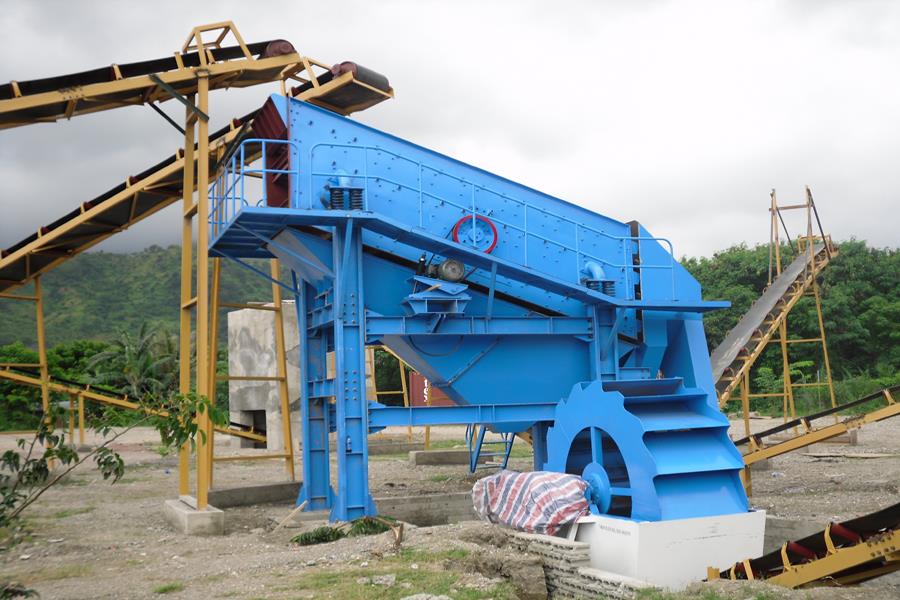
Requesting a 500 tph manganese vibrating screen quotation in South Africa begins with the screen's place in the circuit. Manganese ore is hard and abrasive, arriving at the screen after a primary or secondary crusher with a wide size spread and sharp particles. The screen splits that feed into saleable fractions and returns oversize to the crusher, keeping the line balanced so neither the crusher nor the belt waits idle. A 500 tph manganese vibrating screen quotation in South Africa should be sized for the busiest shift and the hardest ore, with spare deck area to hold efficiency when fines build up.
RFQ data to send
A usable quotation comes from a complete request. Put the following in the message to the supplier:
Ore description: manganese hardness, silica or quartz content, moisture, clay or sticky material, and lump versus fines share.
Feed size: maximum lump, average size and the fines already present before screening.
Required fractions: the saleable sizes, for example 0–6 mm, 6–13 mm, 13–19 mm, 19–26 mm, and any stockpile or mill-feed cut.
Throughput: the 500 tph target, busiest shift expected, and any seasonal variation in feed.
Site details: province, whether the screen runs indoors or outdoors, ambient conditions, available power supply and any dust or water constraints.
Delivery destination: nearest town or mine, and whether the supplier should quote factory price, CFR port, or delivered to site.
With those points the supplier can lay out decks, choose media and size the drive; without them, a quoted tph is only a datasheet figure.
Media and wear on manganese
Sharp manganese particles cut wire, panels and side rails faster than soft rock. Steel wire cloth carries coarse and hard fractions at a lower upfront cost; polyurethane panels handle abrasive and sticky feed with longer life and quieter running; rubber panels suit high-impact coarse duties. A mixed media layout is common: steel on the top deck for impact, polyurethane on the bottom against blinding. The offer should list panel type, gauge or thickness, clamps and an expected life in tonnes, so the replacement schedule can be planned before the plant runs. Check side plates, cross members and discharge lips for wear protection, and budget a spare media pack for the first change-out.
Power and load shedding
South African industrial supply runs 50 Hz at 230/400 V, and scheduled outages are part of the operating calendar. Motors, panels and VFDs must be rated for the local supply, with the starting method — direct-on-line or soft starter — the local grid can accept. Plan a safe shutdown sequence: belts and screen stop in order, interlocks prevent restart before the line is clear, and a generator or standby agreement covers loads that must keep running through an outage. Repeated restart under load shortens drive life, so the control logic matters as much as the motor rating. In the RFQ, state whether backup power is already available on site.
Safety and local maintenance
Machine guarding, access ladders, handrails and emergency stops should meet SANS practice and the site's own risk assessment. South Africa has a strong base of local machine shops and maintenance crews, which helps with wear repairs and panel fitting, but the screen body and structural steel should arrive with welds, fasteners and guards intact. Documentation — wiring diagrams, parts lists, panel change instructions and lubrication schedule — should be clear enough for a local mechanic to work from without waiting on the supplier. Ask whether commissioning support and a local response channel are included in the offer.
Online order flow
Once the quotation is accepted, the order path runs in written stages: sign the contract confirming screen model, deck layout, media, spares, documentation and delivery terms; pay the agreed deposit to start production; the supplier builds and tests the unit and sends photos plus a factory inspection report; balance payment follows against shipping or transit documents; the screen moves under the agreed route, with commissioning guidance and the spare parts list handed over before the line runs. An online request can start the process from this site: describe the duty, receive the quotation, confirm the offer in writing, then move through the contract stage.
Budget envelope
A 500 tph manganese screening arrangement, with screen, frame, drive, chutes and basic electricals, lands roughly between USD 170,000 and 340,000 depending on deck count, media type and whether one large unit or two parallel screens are used. Prices are indicative and for reference only. Budget the first spare media pack, a bearing set and expected panel replacements separately; consumables are the larger share of long-term screening cost. Plan port clearance, inland haul and any generator capacity outside the factory price.
How OCP responds to the request
OCP Mechanical Company has built crushing and screening equipment for more than 40 years: jaw and cone crushers, impact and VSI machines, GZD and ZSW feeders, vibrating screens, sand washers and complete plants for rock, ore and recycled material. We size deck area to your fractions, specify media for abrasive manganese, prepare English documentation, and ship direct from the factory with spares listed in the offer and commissioning guidance on site. Requesting a 500 tph manganese vibrating screen quotation in South Africa should produce a deck layout matched to the ore, with wear life and outage planning written into the offer.
Send the fractions and the feed description
Message us with your manganese feed size, required fractions, moisture, province and power arrangement, and we will return a deck layout, wear estimate and delivered price at no cost. The chat button on this site reaches an engineer 24 hours a day. The 500 tph manganese vibrating screen quotation in South Africa becomes usable once the ore description, media choice and backup power plan are in the request. Capacity and price figures above are indicative and updated continuously.
Notes: Actual results vary with material characteristics, operating conditions, installation and maintenance practice. OCP Mechanical Company reserves the right to update technical data and prices. All prices and parameters above are for reference only — confirm final figures with our team.
-
Impact Crusher vs. Cone Crusher for 1000 tph Limestone Crushing in Peru
-
Crusher Factory Supplier Nigeria: What a Global Manufacturing Hub Means for Equipment Choice
-
Direct Price for a 500 tph Granite Vibrating Screen in South Africa
-
1000 tph Limestone Impact Crusher Selection Guide & Factory Direct Pricing in Peru
-
Dust Control Aggregate Crushing Plant Supplier Nigeria: Planning for Pollution Alerts