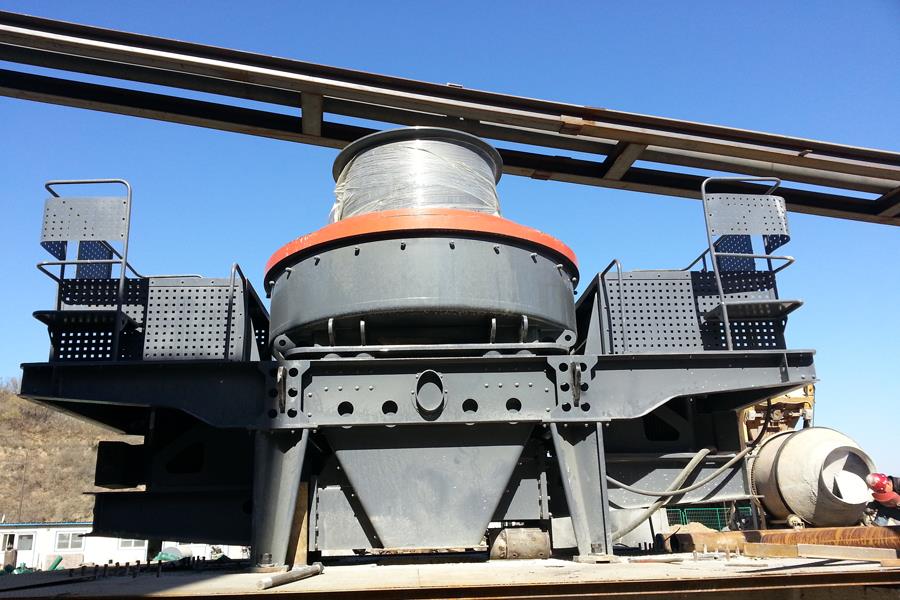
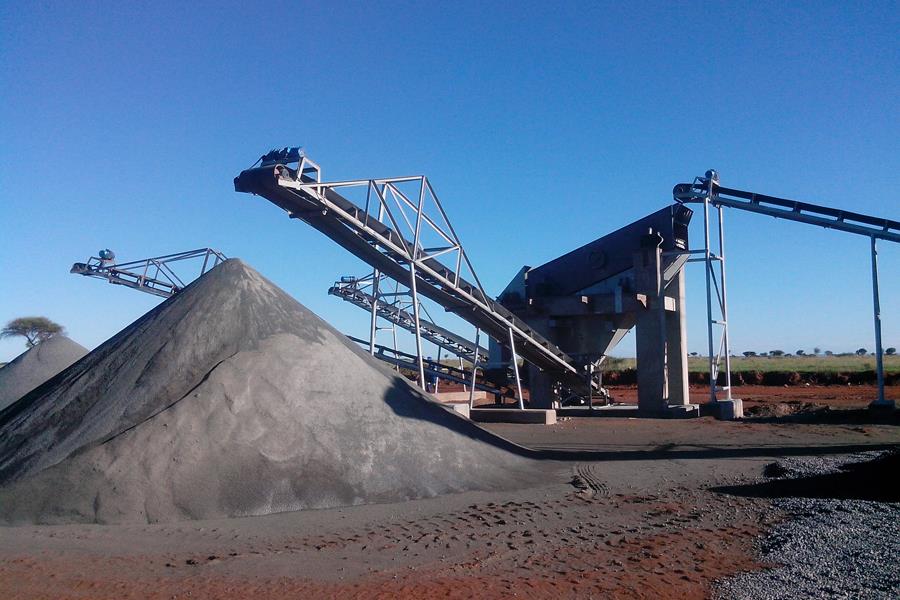
Peru is currently experiencing a robust expansion in its infrastructure and construction sectors, driven by major public works and a booming mining industry. As the demand for high-quality aggregates for concrete, asphalt, and road base surges across Lima, Arequipa, and remote mining camps, establishing a high-capacity 1000 tph limestone crushing plant has become a highly profitable venture. For Peruvian quarry owners and EPC contractors, selecting the right secondary crushing equipment is the most critical decision in determining the plant's overall profitability and product quality.
When engineering a 1000 tph limestone circuit in Peru, the choice between an impact crusher and a cone crusher is a frequent dilemma. While both machines can reduce limestone effectively, they operate on entirely different principles, yield different product shapes, and carry vastly different operational cost structures. This guide compares these two powerhouses, breaking down their technical differences, pricing structures, and local logistical considerations tailored specifically for the Peruvian market.
Impact Crusher vs. Cone Crusher: Key Differences for Limestone
Limestone is generally a low-to-medium hardness rock, making it highly suitable for both impact and cone crushing. However, the choice depends heavily on your target market and operational budget.
| Feature | Impact Crusher | Cone Crusher |
|---|
| Crushing Principle | High-speed impact (striking) | Compression and lamination (squeezing) |
| Product Shape | Excellent, highly cubical, low needle content | Good, but may contain more flakes/needles |
| Wear Parts Lifespan | Shorter (blow bars wear faster) | Longer (mantle and concave last longer) |
| Initial Investment | Moderate | Higher |
| Maintenance | Easier (hydraulic opening for blow bar change) | More complex (requires liner re-lining) |
| Best Application | Premium concrete/asphalt aggregates | High-abrasion limestone or cement feed |
For 1000 tph of standard limestone, an impact crusher is often the preferred choice if the primary goal is producing premium, cubical aggregates for the construction industry. The high-speed rotor breaks the stone along its natural fractures, resulting in a superior particle shape that commands higher market prices in Peru. However, if the limestone deposit has a high silica content or is highly abrasive, a cone crusher might be necessary to minimize the frequency of wear part replacements, despite the higher initial capital expenditure.
What Drives the 1000 tph Crusher Price in Peru?
The baseline price for a 1000 tph secondary crusher fluctuates based on several critical engineering and logistical variables.
| Cost Factor | Impact on Pricing |
|---|
| Machine Type & Model | Heavy-duty impact crushers (e.g., CI7111) or multi-cylinder cones (e.g., HPT300) cost more but handle 1000 tph safely. |
| Wear Parts & Materials | High-chromium blow bars or high-manganese mantle liners increase upfront costs but reduce long-term wear expenses. |
| Circuit Scope | A standalone crusher is budget-friendly; integrating screens, feeders, and dust control elevates the total price. |
| Mobility | Fixed stationary plants are standard; mounting on a tracked mobile chassis significantly increases the price. |
| Logistics & Duties | Shipping to Callao, customs clearance (IGV), and inland transport to Andean sites dictate the landed cost. |
For market reference, standalone impact crushers capable of handling 1000 tph typically range from USD 60,000 to USD 120,000, while heavy-duty cone crushers of similar capacity range from USD 80,000 to USD 150,000 from direct Chinese manufacturers. A complete 1000 tph circuit—including a jaw crusher for primary reduction, the secondary crusher, and multi-layer screens—represents a substantially larger investment. These figures serve as baseline estimates and not final quotations for a specific Peruvian project.
Circuit Configuration for 1000 tph Limestone
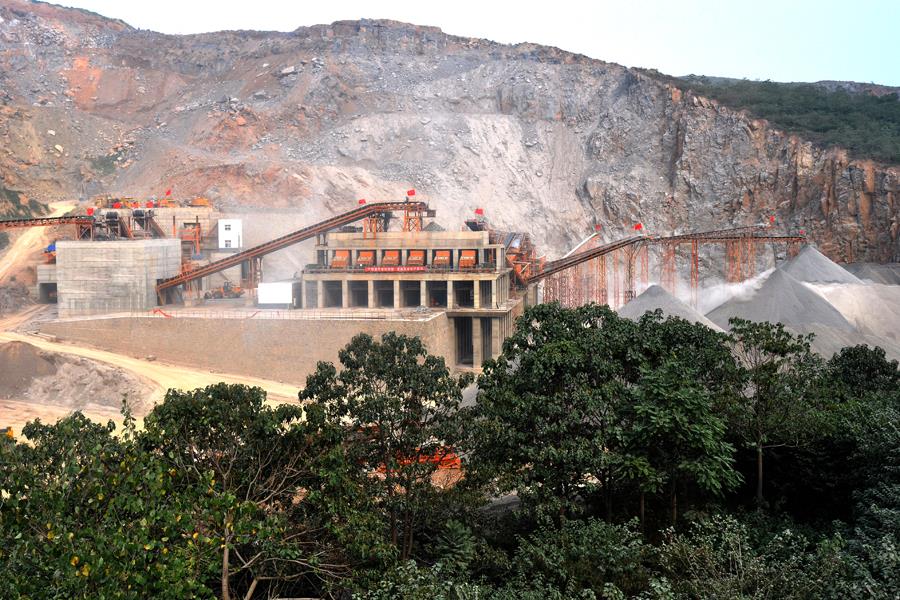
A standard 1000 tph limestone crushing plant in Peru generally follows a two-stage or three-stage closed-circuit configuration.
In a typical Jaw + Impact setup, a PE-1200x1500 jaw crusher handles the primary reduction of large quarry rocks. The output is then fed into one or two heavy-duty impact crushers (e.g., CI1113) for secondary crushing and shaping. This is highly efficient for standard limestone.
In a Jaw + Cone setup, the primary jaw crusher feeds a multi-cylinder hydraulic cone crusher (e.g., HPT300). This is preferred if the limestone is exceptionally hard or if the plant also processes more abrasive materials alongside the limestone.
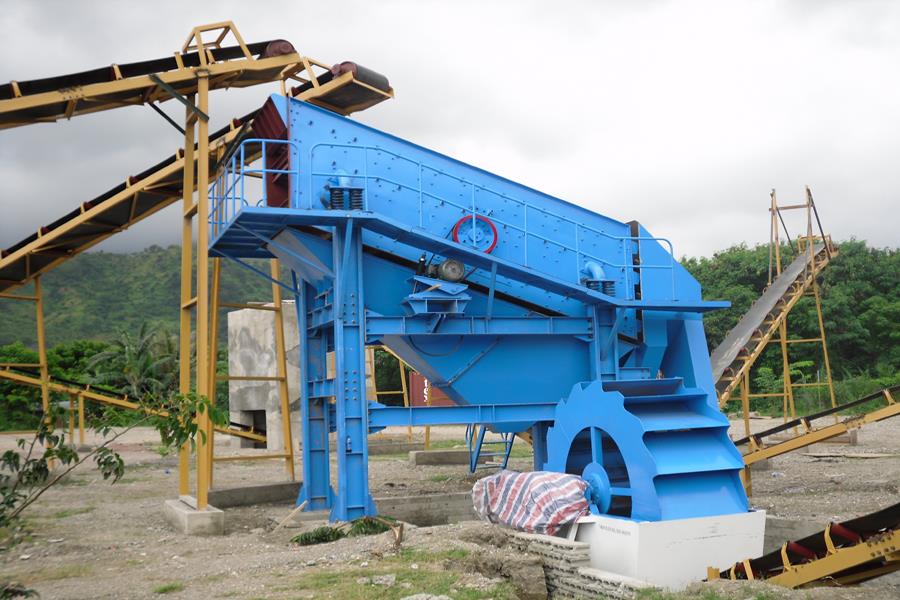
Crucially, the circuit must include robust vibrating screens. Oversized material is returned to the secondary crusher in a closed loop, ensuring that only the correctly sized aggregates (e.g., 0-5mm, 5-10mm, 10-20mm) proceed to the stockpiles.
Peruvian Site and Logistics Factors
When budgeting for a crusher in Peru, local operational conditions must heavily influence your engineering and financial planning:
Port Logistics & Customs: Transporting heavy machinery usually involves routing through the Port of Callao. Peruvian customs clearance, IGV (General Sales Tax), and complex inland freight—often requiring specialized transport over the Andes Mountains to reach high-altitude quarries—must be accurately budgeted into the landed cost.
High-Altitude & Climate Adaptation: Many Peruvian quarries operate at high altitudes (over 3,000 meters) with thin air and extreme temperature fluctuations. Diesel generators must be turbocharged and rated for high-altitude operation to prevent power loss. Electrical panels must feature high IP ratings to combat dust and sudden condensation.
Power Grid Stability: Motor ratings must align with the local grid. In remote Andean mining districts where grid power is unreliable, plants equipped with dual-power systems (capable of running on grid electricity or heavy-duty diesel generators) are essential to prevent costly operational halts.
Water & Dust Management: While limestone crushing is primarily a dry process, water is often used for dust suppression. In arid coastal regions or strictly regulated Andean zones, closed-loop water recycling systems and advanced misting dust suppression are mandatory to comply with local environmental regulations.
How to Secure an Accurate Quotation
To obtain a precise quotation for a 1000 tph limestone crusher, suppliers require comprehensive project data, not just a target tonnage. Providing the following details ensures an optimized, cost-effective solution:
Material specifics: Limestone hardness (Mohs or compressive strength), silica content, and moisture levels.
Maximum feed size directly from the dump truck or primary jaw crusher.
Target discharge sizes (e.g., 0-5mm, 5-10mm, 10-20mm) and the required capacity.
Whether you require a standalone crusher or a full circuit including feeders, screens, and conveyors.
Site power availability, voltage, altitude, and preference for electric vs. diesel drive.
Capacity, model selection, and price data are for reference only; please confirm current parameters with customer service.
OCP Mechanical Company is a premier Chinese direct manufacturer boasting over 40 years of expertise in crushing, screening, and mineral processing equipment. We supply heavy-duty impact crushers, cone crushers, jaw crushers, vibrating screens, and complete limestone processing lines. Because we operate our own manufacturing facilities, customers can directly consult our engineering team on material sampling, circuit layout, and spare-part strategies, guaranteeing competitive factory-direct pricing without intermediary markups.
If you require assistance configuring a 1000 tph limestone crushing plant in Peru, please send us your material characteristics, feed size, target product specifications, and site location. Our customer service team is available online 24 hours a day. Click the website chat button to receive a free consultation, a preliminary quotation, and expert model selection advice.
Technical data, models, and prices are subject to change; final confirmation shall be made through customer service. Actual performance may vary depending on material characteristics, operating conditions, installation, and maintenance. Price information shown here is for reference only.