
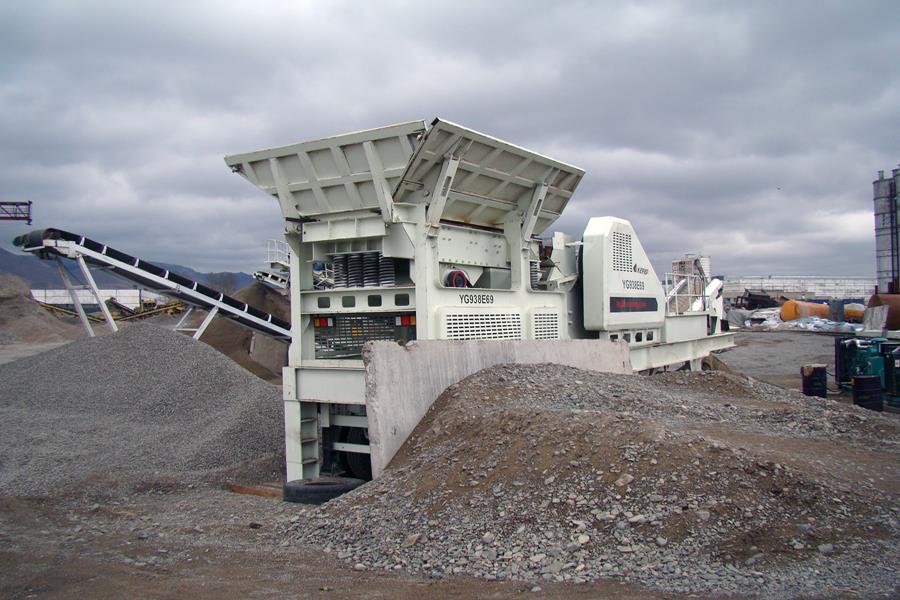
Pit & Quarry September Issue Highlights Data Centers and Conveyor Innovation
September Spotlight: Data Centers Reshape Aggregate Demand
The September issue of Pit & Quarry magazine, the industry‘s premier monthly publication for aggregate processing information for over 108 years, turns a sharp focus on two of the most transformative forces shaping the crushed stone and sand-and-gravel sectors: the explosive growth of data center construction and the evolving technology of material handling conveyors. As the magazine’s editors have noted, data centers have become the single fastest-growing major construction category in the United States, and they run on aggregates, concrete, and engineered fill just like every other construction job. In April 2026, U.S. data center construction spending eclipsed USD 50 billion annualized for the first time in history, according to U.S. Census Bureau data—a category that didn‘t even register as a distinct revenue line a decade ago. More striking still: private-sector data center investment has surpassed what the federal government spends on all transportation-related structures combined. For quarry operators and aggregates producers, this data center construction boom represents a demand driver of unprecedented scale and urgency.
The Scale of Data Center Demand: What It Means for Aggregates Producers
The numbers at this level require some adjustment before they sink in. A midsized hyperscale data center today is defined as a 50-megawatt campus, with individual facilities routinely running 100,000 to 300,000 sq. ft. and surrounding infrastructure—substations, backup generator yards, cooling systems, access roads, and drainage corridors—consuming 50 to 200 acres or more. The five largest hyperscalers have announced about USD 710 billion in combined capital expenditures for 2026 alone, sufficient to support roughly 35 gigawatts of new or refreshed global data center capacity. What does that translate to at the truck gate? A single 60-megawatt AI-ready facility in Houston required about 45,000 cu. yd. of concrete across structural systems. That’s one building, one phase. Hyperscale campuses are multi-phase by design, with each building replicating the baseline and the civil infrastructure expanding accordingly. The aggregate volume feeding the concrete, the granular fill under the slabs, the road base and drainage stone across the access network—these are numbers that require producers to rethink their capacity, documentation, and delivery capabilities. For operators supplying material to these projects, reliable crushing and screening plants are essential to meeting the sustained, high-volume demand.
Conveyor Technology: The Backbone of Efficient Material Movement
The September issue also places a strong emphasis on conveyor technology—the critical link between the quarry face and the customer. As operational costs continue to rise, producers are moving from lower-upfront-cost components to conveyor drives that deliver lower total cost of ownership. Matt Lepp of VDG notes that companies are increasingly understanding what the cost of downtime truly is: “I’ve worked with some major mining companies, and they can tell you almost to the dollar what a certain piece of equipment not running will cost them”. Because of this, manufacturers are putting added emphasis on predictive monitoring technology, integrating it with their equipment to allow producers to monitor and proactively maintain their systems, thereby limiting downtime and increasing throughput. Proper conveyor load zone design is another critical focus area. Joe Gibson of Superior Industries explains that when material hits the belt improperly—misaligned, too fast, or too high—it creates turbulence that leads to excessive belt and component wear, spillage, dust generation, and belt mistracking. Best practices include allowing proper belt transition distance, engineering material flow with chute design features, matching load support to the application, and building proper sealing systems. For aggregate producers, investing in well-designed conveyor systems is not just about moving material—it is about controlling costs and maintaining uptime in an increasingly competitive market.
The Record-Breaking 42-Mile Conveyor and Emerging Pain Points
A highlight of the conveyor coverage is the Dune Express, the record-setting 42-mile single-flight conveyor developed by Atlas Energy Solutions to transport frac sand across the Permian Basin. Designed to move up to 13 million tons of frac sand annually, this fully electrified overland conveyor system showcases advanced industrial engineering, heavy-duty reliability, and large-scale logistics innovation. The project, developed in collaboration with system integrator Voith Turbo and powered by SEW-EURODRIVE, represents a significant milestone in bulk material handling. Alongside such innovations, the magazine highlights emerging pain points in conveyor operations, including fatigue management—the need to address worker fatigue and equipment fatigue in high-volume, continuous-duty applications. As producers push for higher throughput and longer operating hours, managing the physical and mechanical stresses on both personnel and equipment has become a critical operational priority. For quarry operators, this means selecting conveyor components engineered for reliability and implementing maintenance routines that prevent unexpected failures.
Why This Matters for Your Crushing and Screening Operations
The trends highlighted in Pit & Quarry‘s September issue—data center-driven aggregate demand and conveyor technology innovation—have direct implications for crushing and screening equipment selection and operation. The surge in data center construction requires jaw crushers, cone crushers, and impact crushers that can deliver consistent, specification-grade aggregates for high-performance concrete. The emphasis on conveyor efficiency and predictive maintenance reinforces the need for reliable crushing plants that integrate seamlessly with material handling systems. And the growing focus on fatigue management underscores the importance of equipment that is designed for durability and easy maintenance, reducing unplanned downtime and extending service life. OCP Mechanical Company, with over 40 years of manufacturing experience and exports to more than 180 countries and regions worldwide, supplies high-quality jaw crushers, cone crushers, impact crushers, VSI crushers, vibrating screens, feeders, and complete crushing and screening plants—all brand-new and built to rigorous quality standards. As a direct factory manufacturer, we eliminate distributor margins, passing the savings directly to you. All price information provided is for reference only; final quotes depend on equipment configuration, shipping terms, optional features, and current exchange rates.
Your Next Step: Get a Custom Quote for Your Operation
Whether you are positioning your quarry to serve the booming data center market or upgrading your material handling systems to improve efficiency and reduce downtime, the right crushing and screening equipment is fundamental to your success. OCP Mechanical Company offers factory-direct, high-quality crushing and screening solutions engineered for durability, energy efficiency, and low total cost of ownership—all at competitive prices. Our online customer service is available 24 hours a day, seven days a week, to provide free consultations, updated price references, and equipment selection guidance. Click the chat button now to discuss your project with a specialist—we are ready to help you build a more efficient and profitable processing operation.
-
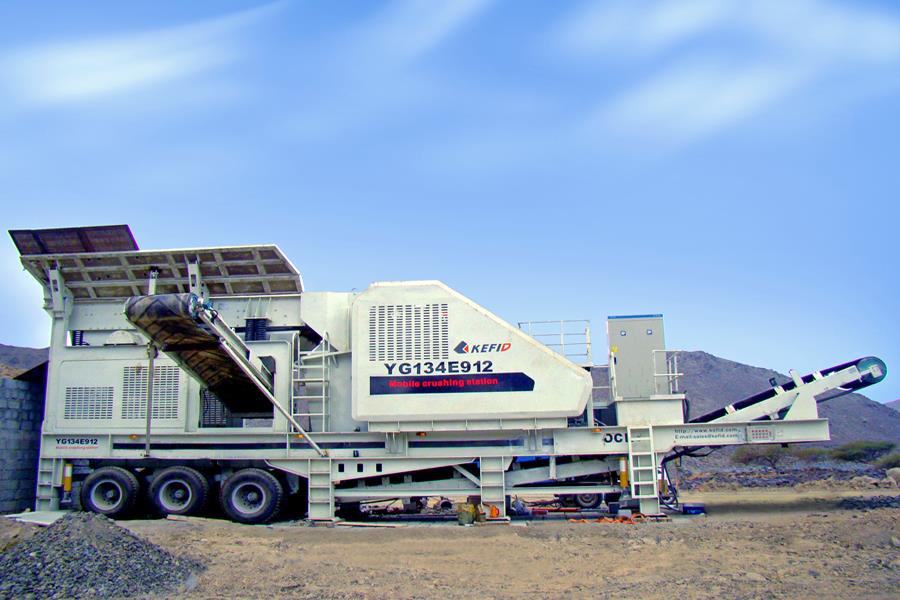
How to Maintain a Sand Screw Washer for Manufactured Sand 70 TPH
-
-
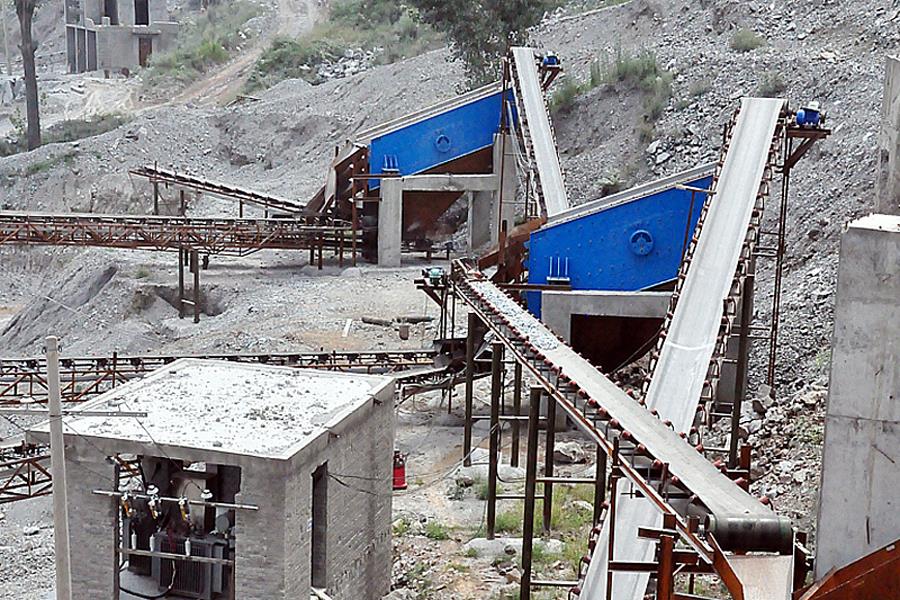
250 TPH Basalt Mobile Cone Crusher Rental in Ethiopia for Addis Ababa Projects
-
What Is the Best Feeder for Sticky Bauxite 190 TPH in Guinea
-
100-120 TPH Quartz Sand Washing Plant Investment in Saudi Arabia



