
Note these points to extend the service life of your roller mill
1. Material particle size must be smaller than the working roller gap.
The feed material particle size should be smaller than the working roller gap to form a denser material layer, except in areas where single-particle crushing occurs during high-pressure grinding.
2. Maintain adequate material pressure.
Ensure consistent material pressure during feeding. Irregular feed rates (fluctuating between high and low) cause frequent hydraulic system activation, shortening hydraulic component lifespan. To rapidly form a material column during system startup, temporarily increase buffer conveyor speed to boost feed rate briefly. Once the column stabilizes, resume standard feed rate. This ensures continuous material feeding between the rollers, forming a denser material layer. Typically, raising the material column height allows the material's own weight to compact the voids between the two rollers.
3. Sufficient crushing force must be applied during grinding.
Adjust the hydraulic pressure via the hydraulic system based on material properties to regulate the crushing force, ensuring optimal grinding and fragmentation of the material.
4. Full-size feed.
Full-size feed is required during operation. Removing fine particles from the feed increases porosity between materials. Achieving a certain compaction density layer necessitates reducing the gap between the two rolls, which sharply reduces output. Simultaneously, the absence of fine particles as barriers increases relative movement between materials and between materials and the roll surfaces, accelerating roll wear.
5. Elevated feed column with minimum height of 2 meters.
Increasing the feed column height to no less than 2 meters is essential to ensure adequate feed compression pressure. This guarantees sufficient material coverage across the entire width above the rollers at the minimum gap, thereby maintaining continuous material feeding. Install a feed weighing hopper and pneumatic gate valve. Failure to meet these requirements will lead to multiple adverse consequences. First, insufficient feed will prevent the hydraulic cylinder from generating adequate pressure to effectively roll-press the material. This results in unimproved material properties after grinding, merely wasting electrical energy and equipment resources. Second, without a formed material column, material falls directly from the belt, washing over the roller surface and significantly accelerating surface wear. Additionally, uneven feeding readily causes misalignment of the moving rollers, damaging the roller bearing housings.
6. Select roller surfaces based on material properties.
Maintenance of high-pressure roller mills primarily focuses on roller surface wear resistance and wear repair. Different materials require corresponding wear-resistant roller surfaces, with roller hardness significantly exceeding that of the ore. Otherwise, wear will be extremely rapid.
7. Strictly use professional lubricating grease.
Lubricant quality must be strictly controlled to fully meet equipment requirements. For instance, grease distributors are often imported precision components with extended service life under normal conditions. However, many domestic users frequently replace these distributors due to impurities in the grease clogging internal valves and causing jamming. Since these components are highly precise and difficult to repair, replacement is necessary, resulting in significant waste.
8. Conduct regular inspections of the cooling system, lubricating grease, and hydraulic oil.
Frequently monitor bearing temperature fluctuations and the flow rate of circulating cooling water pipes to ensure uniform distribution of cooling water to all cooling points. Maintain adequate supplies of lubricating grease and hydraulic oil. Keep spare grease near the hydraulic station for immediate replacement upon depletion, ensuring uninterrupted production.
9. Establish dedicated operational and maintenance logs.
Given the critical role and complex structure of high-pressure roller mills, maintain detailed daily records of equipment operation and maintenance. These logs should include: cumulative operating hours; temperature, pressure, flow rate, and current data from all monitoring points;
10. Regularly inspect roller surface wear.
As roller surface wear occurs in high-pressure roller mills, performance parameters such as output, compression efficiency, and energy consumption will change. Timely adjustments are essential to achieve long-term stable benefits.
(Technical parameters and data mentioned herein may be updated with product upgrades. Click website customer service to obtain the latest equipment parameter sheet.)
OCP specializes in developing and manufacturing complete sets of equipment for crushing, screening, grinding, washing, feeding, conveying, environmental protection, dust removal, as well as steel, metallurgy, and steel slag processing and recycling. Our products are widely used in the crushing and processing of metals, non-metallic minerals, energy raw materials, and metallurgical waste residues within the steel and metallurgical sectors. Click the website customer service for immediate free consultation, available 24/7.
-
Key Advantages of Impact Crushers for Hard Rock Fine Crushing
-
-
What to Do When Oil Temperature Rises Excessively in Hydraulic Cone Crushers
-
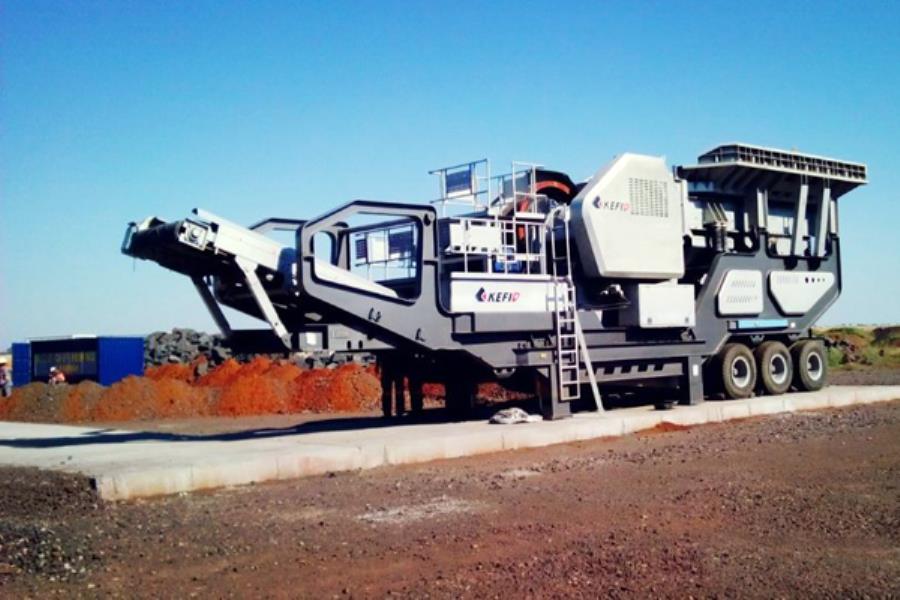
How to address contamination in the hydraulic system of a hydraulic cone crusher
-
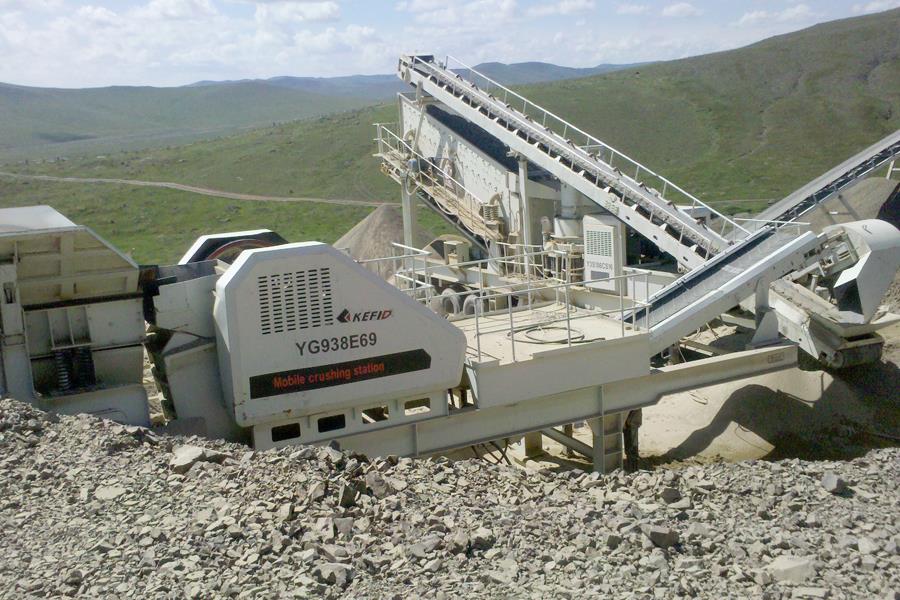
What happens when air enters the hydraulic system of a hydraulic cone crusher