Modular Crushing Stations Cut Commissioning to 72 Hours Without Concrete Foundations
Why the Construction Timeline Is the First Cost Most Operators Underestimate
A crushing plant does not make money until it is producing saleable aggregate. Every week spent on civil works, foundation curing, steel erection, and electrical wiring is a week of capital sitting idle and a project schedule slipping further behind. For a traditional fixed crushing line, that window runs from 6 to 16 weeks from site mobilisation to first production. During that period, the operator is paying for equipment that is not earning, labour that is not producing, and financing that is accruing interest. The traditional answer to this problem has been to accept it as the cost of building a proper plant. A more practical answer has emerged over the past several years, and it is now being adopted across greenfield quarries, infrastructure aggregate supply bases, and mining projects where schedule certainty matters as much as throughput. The modular crushing station is not a mobile plant with tracks, and it is not a fixed plant with permanent foundations. It sits between those two categories, and for a specific range of project profiles, it delivers the best combination of deployment speed, scalability, and operating cost.
What Modular Actually Means in Practice
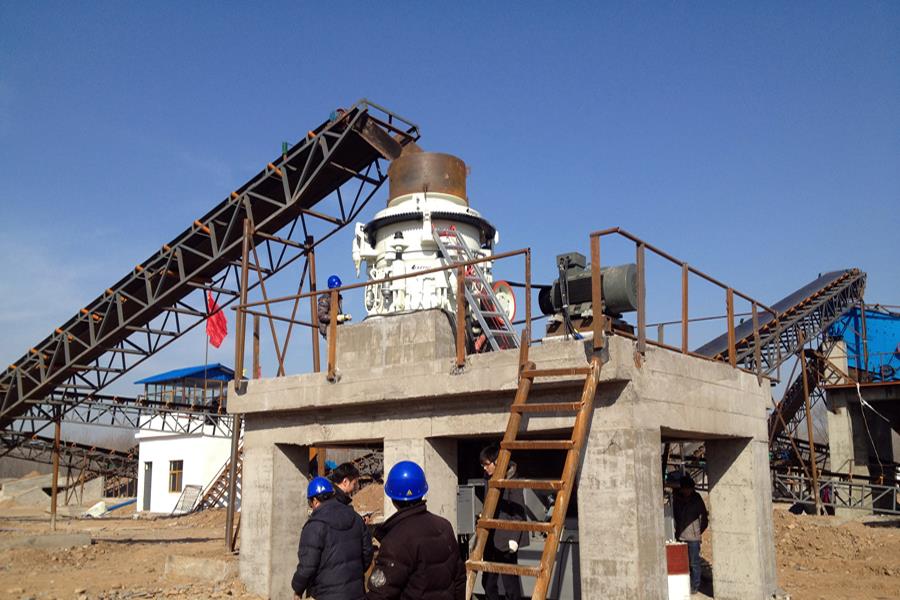
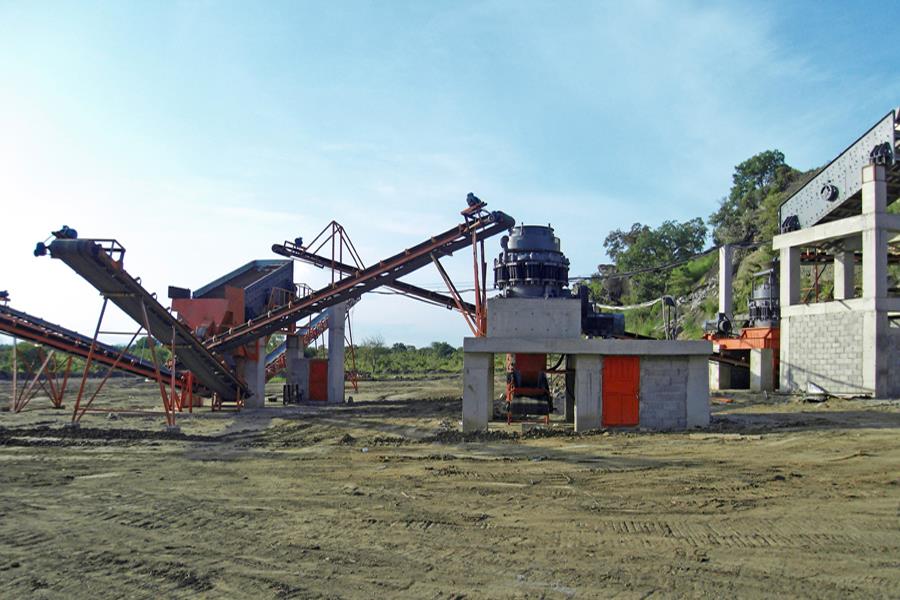
A modular crushing station is a pre-engineered system built from standardised, interchangeable modules. The feeding module, the primary crushing module, the secondary and tertiary crushing modules, the screening module, and the conveyor modules are each fabricated, wired, and tested at the factory before shipment. They arrive on site as pre-assembled units with walkways, electrical systems, and dust control already installed. The modules are connected on site using plug-and-play hydraulic, pneumatic, and electrical connectors, which is where the time saving comes from. There is no site welding of structural steel, no running of conduit through freshly poured concrete, and no waiting for foundations to cure before the next trade can start. The 90% pre-assembled approach reduces on-site installation time by approximately 70% compared with a traditional plant of equivalent capacity. The practical result is a commissioning window of under 72 hours from the arrival of the final module on site to first production.
No Concrete Foundations Means No Permit Delay and No Sunk Cost
The foundation work is the part of a fixed plant build that creates the most schedule risk. It requires a geotechnical survey, an engineered design, formwork, reinforcement, a concrete pour, and a curing period before any steel can be erected on top of it. For a modular station, the requirement is reduced to a simple compacted pad or a shallow foundation with a depth of 0.5 to 1 metre, depending on the module weight and the ground conditions. The modules are designed with their own structural frames, so the load is distributed through the module base rather than transferred to a cast-in-place foundation. That change has two consequences. First, the civil works package shrinks from a multi-week construction activity to a site preparation task measured in days. Second, the capital cost of foundations drops substantially, and that capital is not sunk into the ground if the plant is later relocated. For a greenfield project where the quarry licence is valid for a defined term, or for a contractor supplying aggregate to a specific infrastructure programme, avoiding permanent foundations is a commercial advantage, not just a convenience.
Scaling Capacity by Adding Modules Instead of Rebuilding the Plant
A fixed crushing line is designed around a capacity target, and that target is locked in at the design stage. If demand increases, the operator has two options: run the existing plant beyond its design capacity, which accelerates wear and reduces product quality, or build a second line, which duplicates the civil works and the electrical infrastructure. A modular station handles capacity growth differently. Because the modules are standardised and the interfaces are universal, additional crushing or screening modules can be added to the existing layout to increase throughput without disrupting the modules already in operation. The capacity range for a modular station typically spans from 50 to 600 tonnes per hour, and within that range, capacity can be increased in defined increments by adding modules rather than rebuilding the plant. For an operator who is developing a deposit in phases, or who expects demand to grow over a five-year horizon, that scalability avoids the overcapitalisation of building for peak capacity on day one and the undercapitalisation of building for day-one capacity and running out of headroom in year three.
Hard Rock and Soft Rock: The Module Selection Changes, the Frame Does Not
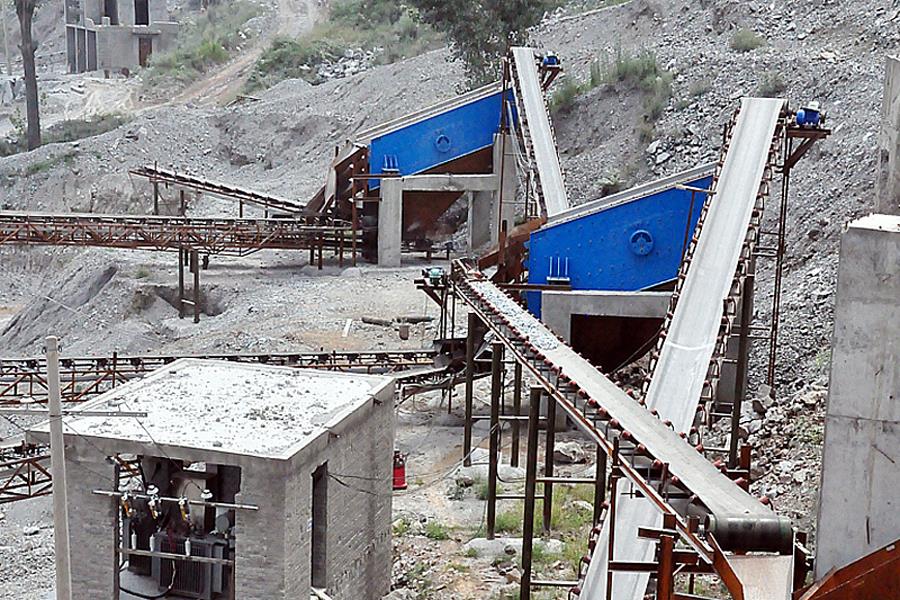
A common misconception about modular stations is that they are only suitable for soft materials. The module frame is a structural platform, and the crusher mounted on it is selected according to the feed material. For hard rock such as granite or basalt, the primary module carries a jaw crusher and the secondary module carries a multi-cylinder hydraulic cone crusher. For soft rock such as limestone or dolomite, the primary module may carry an impact crusher, and the secondary module a smaller cone or a second impact crusher depending on the product specification. The screening module and the conveyor modules are the same in either configuration. That interchangeability is what allows a modular station to be adapted to a different deposit without replacing the entire plant. If a quarry transitions from limestone to a harder material, or if an operator acquires a second site with different geology, the crushing modules can be changed while the screening and conveying infrastructure remains in service. The module frame does not need to be redesigned. The crusher selection changes, and the rest of the system continues to work.
Where the Modular Station Fits in the Project Lifecycle
A modular station is not the right answer for every project, and it is worth being precise about where it fits. A fixed production line remains the correct choice for a large aggregate base with a ten-year or longer horizon, where the lowest possible cost per tonne justifies the civil works investment. A tracked or wheel-mounted mobile station is the correct choice for a project shorter than eighteen months, where the plant needs to move between sites frequently and deployment speed is the overriding priority. A modular station occupies the middle ground. It suits a project with a lifespan of three to five years, where the plant may need to relocate once or twice, and where the operator wants the scalability and maintenance access of a fixed plant without the foundation cost and construction timeline. It also suits remote or high-altitude sites where construction crews, concrete supply, and heavy lifting equipment are difficult to mobilise. In those conditions, the ability to deliver a plant as pre-assembled modules and commission it in under 72 hours is not a marginal improvement. It is the difference between a project that starts on schedule and one that does not.
How OCP Mechanical Company Approaches Modular Crushing Projects
OCP Mechanical Company has manufactured crushing and screening equipment for over 40 years. Our SMP series modular crushing plant is a pre-engineered system comprising interchangeable jaw, cone, and screening modules with plug-and-play hydraulic and electrical connectors. The modules arrive site-ready with walkways and electrical systems pre-installed, and the system can be configured for capacities from 200 to 2,500 tonnes per hour depending on the module combination. For hard rock applications, the primary module carries a jaw crusher and the secondary module a multi-cylinder hydraulic cone crusher. For softer materials, impact modules can be substituted. Because we sell direct from our factory, there is no distributor margin in the price, and our engineering team works with you on the module selection and layout rather than handing over a catalogue. Our online customer service team is available 24 hours a day to discuss specifications, provide updated pricing, and help you work out whether a modular station or a fixed line is the better fit for your project. If you are evaluating a crushing investment and want to understand what a 72-hour commissioning window would mean for your schedule, click the chat button and start the conversation.
All price information provided is for reference only; final quotes depend on equipment configuration, shipping terms, optional features, and current exchange rates. Product specifications are continuously updated; please consult our online customer service for the latest parameters tailored to your application.