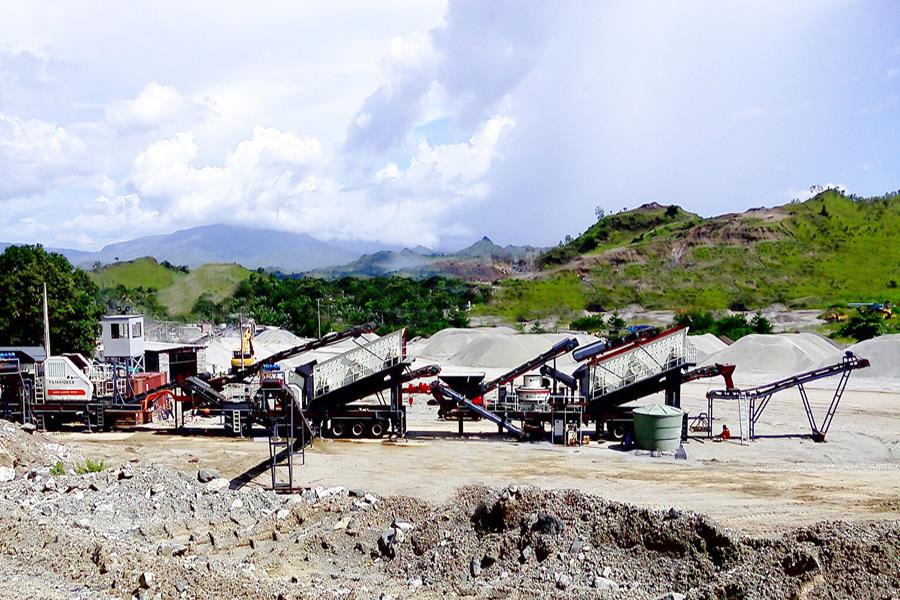
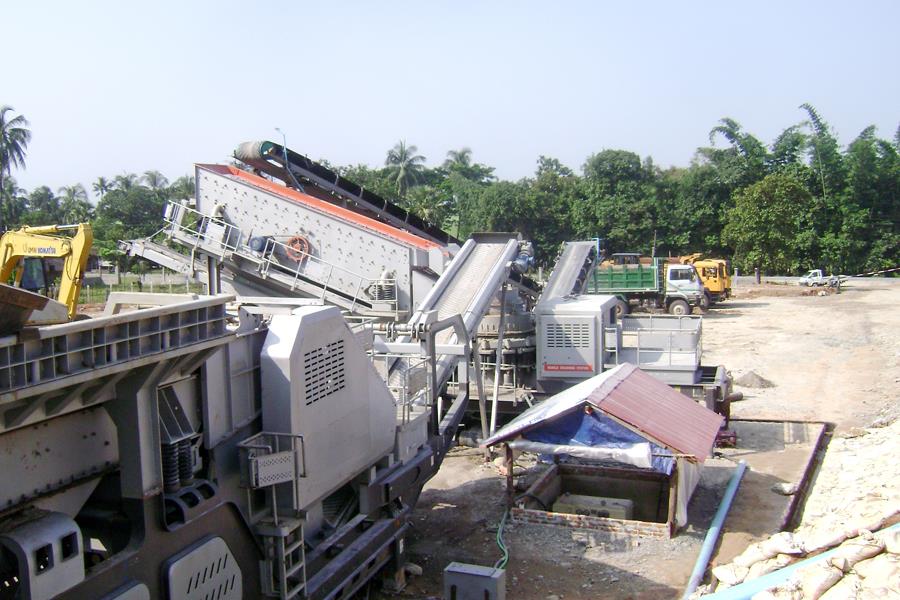
As Vietnam accelerates its urban infrastructure development, the volume of construction and demolition (C&D) waste has surged dramatically. In major cities like Hanoi, daily C&D waste generation has recently spiked to thousands of tons due to massive demolition and road expansion projects. For contractors and municipal authorities aiming to process 800 tph of construction waste, deciding between a fixed plant and a mobile crushing plant—and selecting the right secondary crusher—is a critical investment decision.
This guide explores the mobile plant planning and cone crusher selection strategies for an 800 tph C&D waste recycling project in Vietnam, focusing on total investment, operational efficiency, and local site conditions.
Why Mobile Crushing Plants Dominate C&D Waste in Vietnam
Unlike traditional quarrying, construction waste is generated across scattered, temporary demolition sites. Transporting heavy debris to a centralized fixed plant often eats up a massive portion of the project budget in logistics.
Mobile crushing plants—whether wheeled or tracked—are increasingly preferred in Vietnam because they can be deployed directly to the demolition site. This "on-site processing" approach eliminates heavy haulage costs, reduces dust and traffic congestion on city roads, and allows contractors to immediately convert waste into valuable recycled aggregates for road sub-base or backfilling.
| Mobile Plant Type | Best Application in Vietnam |
|---|
| Wheeled Mobile Plant | Ideal for sites with relatively flat terrain and hard access roads; easily towed between nearby urban sites. |
| Tracked Mobile Plant | Best for rough, muddy, or uneven terrain; features self-propulsion and remote control for tight spaces. |
Cone Crusher vs. Impact Crusher for C&D Waste
When configuring the secondary crushing stage for an 800 tph plant, choosing between a cone crusher and an impact crusher is crucial. Construction waste is highly abrasive, often containing high-strength concrete, bricks, and embedded rebar.
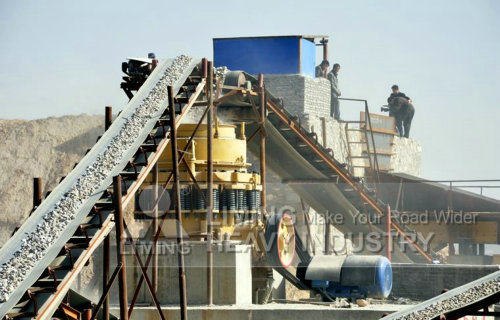
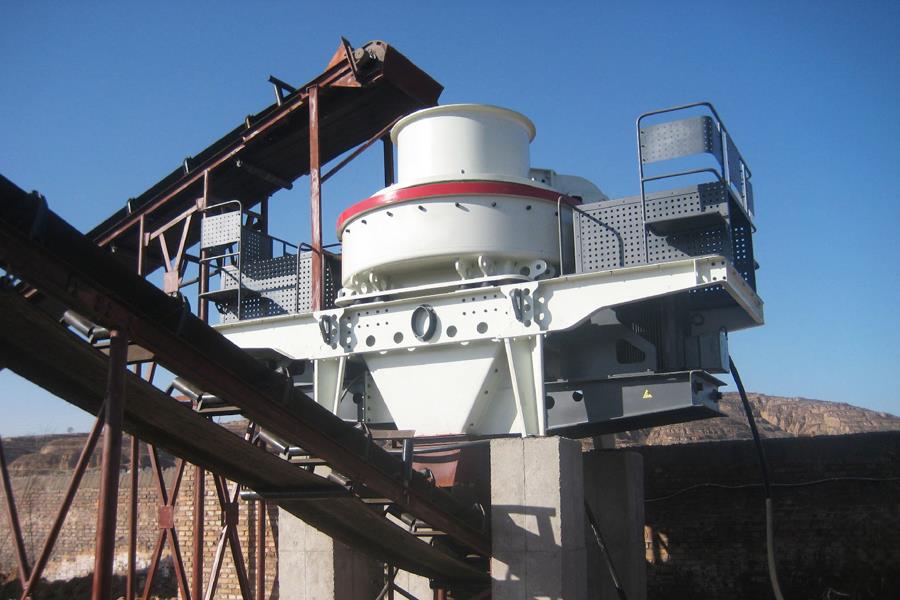
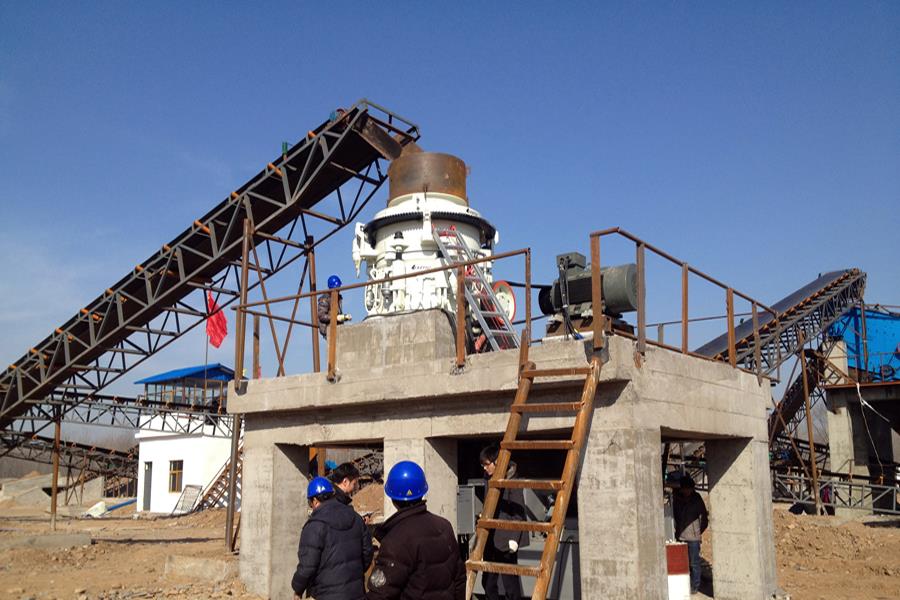
A Cone Crusher is highly recommended when the C&D waste contains a high proportion of hard concrete and abrasive materials. It uses compression crushing, which offers lower wear-part consumption compared to impact crushers when handling highly abrasive debris. Modern multi-cylinder hydraulic cone crushers also feature automated clearing systems, allowing trapped rebar to pass through safely without stalling the machine.
An Impact Crusher, on the other hand, is excellent for producing a highly cubic final product, which is ideal if the recycled aggregate is destined for high-grade concrete. However, if the feed is highly abrasive, blow bar wear costs will be significantly higher.
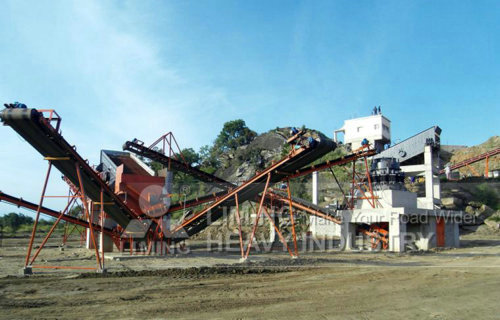
For an 800 tph capacity, a common and highly efficient configuration is a primary jaw crusher (e.g., PE-1000×1200) feeding into a secondary cone crusher (e.g., HP300 or CS220), followed by a heavy-duty vibrating screen and an over-band magnetic separator to extract rebar.
What Affects the 800 tph Mobile Plant Price
The total investment for an 800 tph mobile crushing plant in Vietnam goes far beyond the base machine price. Key cost drivers include:
Crusher Configuration: A two-stage mobile plant (Jaw + Cone) costs significantly more than a single-stage jaw plant but yields better-shaped aggregates.
Chassis & Mobility: Tracked chassis are generally more expensive than wheeled chassis due to the complex hydraulic drive systems.
Auxiliary Systems: Iron removers (magnetic separators), dust suppression spray systems, and integrated PLC control panels add to the cost but are mandatory for modern C&D recycling.
Power Source: Plants equipped with dual-power systems (capable of switching between grid electricity and onboard diesel generators) provide a safety net against Vietnam's occasional grid instability.
Vietnam Site and Logistics Factors
When planning a mobile plant for Vietnam, local conditions must dictate the engineering design:
Humid and Rainy Climate: Vietnam's tropical monsoon climate means high humidity and heavy rainfall. The plant's electrical control cabinets must have a high IP rating for moisture and dust protection.
Dust and Noise Regulations: Urban demolition sites in cities like Hanoi or Ho Chi Minh City face strict environmental monitoring. Integrated misting/dust suppression systems and noise-reduction enclosures are essential to avoid operational shutdowns.
Logistics and Customs: Import duties, port handling at Hai Phong or Cat Lai, and inland transport of oversized mobile chassis to remote provinces require careful budgeting.
How to Get an Accurate Quotation
To ensure the mobile plant is neither underbuilt nor overbuilt for your 800 tph project, suppliers need specific details:
Maximum feed size of the concrete/brick blocks.
Percentage of rebar, soil, and moisture in the waste.
Target output sizes (e.g., 0-5mm, 5-10mm, 10-20mm).
Preference for tracked vs. wheeled mobility.
Site power availability (voltage, phase) or need for diesel generators.
Capacity, model selection and price data are for reference only; please confirm current parameters with customer service.
OCP Mechanical Company is a Chinese direct manufacturer with more than 40 years of experience in crushing, screening, and sand washing equipment. We supply customized mobile crushing plants, including tracked and wheeled jaw, cone, and impact plants specifically engineered for C&D waste recycling. Because we manufacture directly, customers can discuss material samples, circuit layout, and spare-part planning with our factory team.
If you need help planning an 800 tph mobile crushing plant or selecting a cone crusher for construction waste in Vietnam, send us your project details. Our customer service team is online 24 hours a day. Click the website chat button to get free consultation, a preliminary quotation, and model selection advice.
Technical data, models and prices are subject to change; final confirmation shall be made through customer service. Actual performance may vary depending on material characteristics, operating conditions, installation and maintenance. Price information shown here is for reference only.