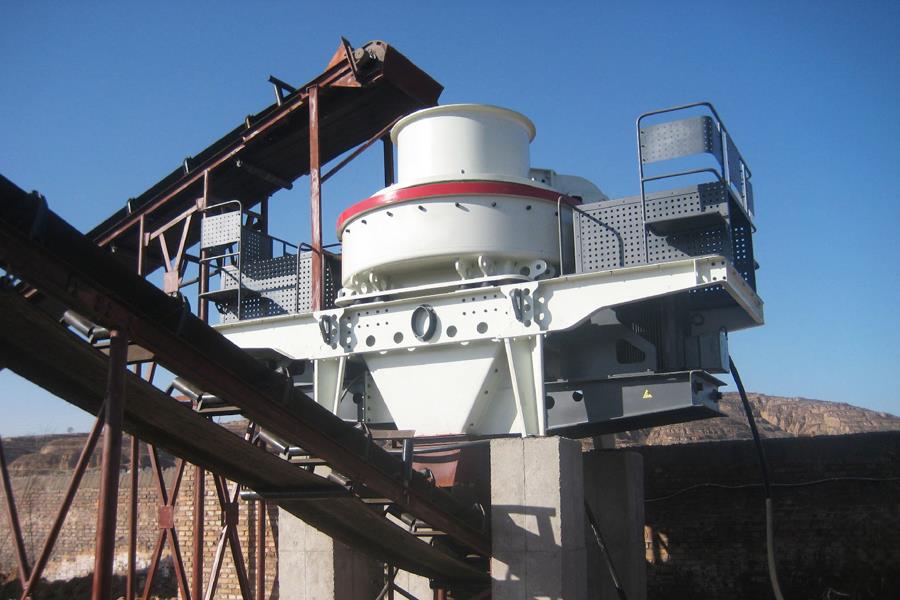
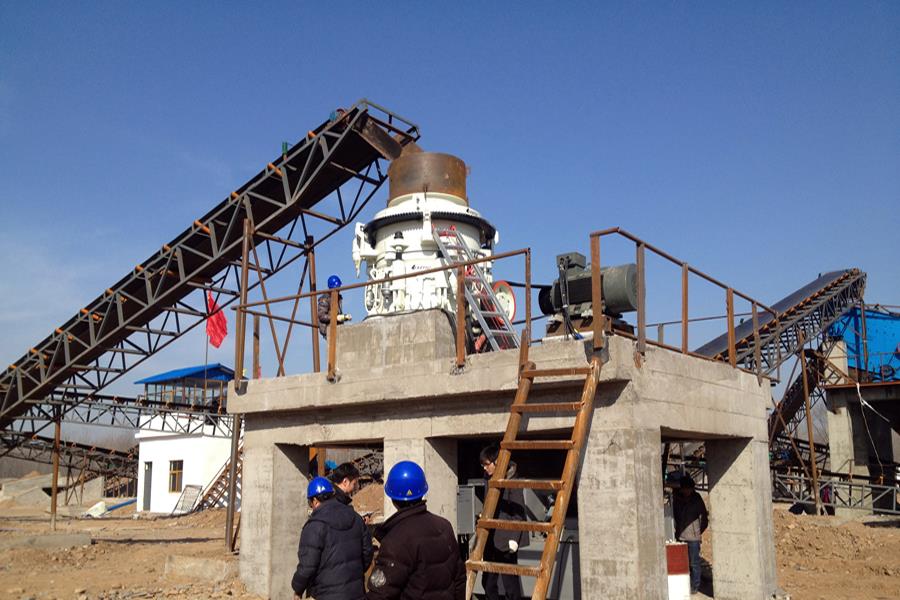
Choosing between a jaw crusher and an impact crusher for an 800 tph construction waste recycling project in Vietnam is not only about machine price. A standalone crusher, a complete crushing and screening circuit, and a modular mobile plant all require different budgets. For Vietnamese construction companies, demolition contractors, municipal authorities and infrastructure developers, the more useful question is: what total investment is needed to process 800 tph of construction waste reliably under local power, water, logistics and site conditions?
What affects the 800 tph construction waste crusher price
Crusher pricing depends on crusher type, feed opening, maximum feed size, discharge setting, motor power, frame structure, wear parts, bearings, feeder, screen, conveyors, dust control, support structure and whether the crusher is part of a complete processing circuit. Construction waste is highly heterogeneous, often containing concrete blocks, bricks, tiles, rebar, wood and soil, so an 800 tph Vietnam project usually requires a robust crusher with strong wear protection, effective iron removal and stable feeding.
| Cost factor | Effect on price |
|---|
| Crusher type | Jaw, impact, cone and VSI crushers have different structures and costs |
| Feed size and composition | Large concrete blocks, rebar and mixed debris require stronger frames and larger openings |
| Circuit scope | Feeder, screen, conveyors, iron removal, dust control and control systems add cost |
| Wear parts | Jaw plates, blow bars, liners, bearings and screen panels affect long-term cost |
| Mobility | Fixed, wheeled, tracked and modular designs affect price |
| Logistics | Shipping, customs, inland transport and installation affect landed cost |
For reference, some Chinese-market crushers are listed across a wide range, from smaller PE-250×400 jaw crushers and PF-1214 impact crushers to larger PE-1000×1200 or PF-1315 models. Some market listings show small crushers around USD 3,000-80,000, while larger 800 tph crushing plants and complete circuits can be priced much higher. These figures are only market references and should not be treated as a final quotation for a specific 800 tph construction waste project in Vietnam.
Standalone crusher or complete crushing circuit
A standalone crusher is suitable when the project already has a vibrating feeder, conveyors, support structure, dust control and electrical control system. In this case, the jaw crusher or impact crusher is used as the primary or secondary crushing unit in an existing line.
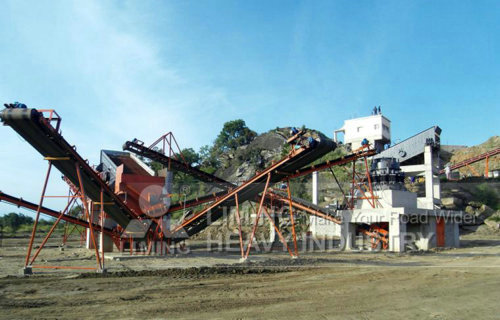
A complete crushing circuit is more suitable for new recycling plants or urban demolition projects. It usually includes a vibrating feeder, jaw crusher, impact crusher, vibrating screen, belt conveyors, iron removal equipment, dust control equipment, electrical control panel and support structure. For an 800 tph construction waste line, the complete circuit cost is higher than a single crusher, but it gives a clearer picture of total investment, installation workload and expected product grading.
Jaw crusher vs impact crusher for Vietnamese construction waste
Jaw crushers and impact crushers are both used in construction waste recycling, but they serve different purposes. A jaw crusher is usually selected for primary crushing of large, hard concrete blocks and reinforced concrete. It uses compression crushing, which makes it suitable for reducing large feed sizes and handling difficult materials such as rebar and steel fragments. An impact crusher is often used for secondary crushing or shaping, especially when a more cubic product shape is required for recycled aggregates.
For construction waste, the choice depends on where the crusher is placed in the circuit. A jaw crusher is usually used as the primary crusher, followed by an impact crusher for secondary crushing and shaping. If the project only needs to reduce construction waste to a suitable size for backfilling, a jaw crusher may be sufficient. If the project needs high-quality recycled aggregates for concrete or road base, an impact crusher is often added.
An 800 tph capacity is a reference value only. The real capacity depends on feed size, bulk density, moisture, clay content, discharge setting and feeding uniformity. If the construction waste contains sticky clay or high moisture, screening and downstream handling should be checked carefully to avoid blockage.
For a typical 800 tph construction waste line, a PE-1000×1200 or PE-1200×1500 jaw crusher may be used as the primary crusher, followed by a PF-1315 or PFW-1318 impact crusher for secondary crushing and shaping. The vibrating screen should then be selected to match the crusher output and target product sizes.
Fixed plant or mobile plant
Fixed crushing plants are common for permanent recycling centers and long-term production. They usually provide stable feeding, easier maintenance access and better integration with screens, conveyors and dust control systems.
Mobile or modular crushing plants are useful for contractors who need to move between demolition sites, process temporary stockpiles or reduce haulage distance. They reduce foundation work and can be deployed faster, but they usually cost more than standalone fixed crushers and require careful planning for power, maintenance access and wear-part supply.
Vietnam site and logistics factors
For projects in Vietnam, the machine price is only part of the total budget. Shipping, customs clearance, port handling, inland transport to Hanoi, Ho Chi Minh City, Da Nang or remote demolition sites, foundation work and installation support all affect the final landed cost.
Power supply is a key factor. Motor rating, voltage, starting method, cable size, control panel design and generator backup must match local site conditions. In some Vietnamese projects, unstable power supply may require a more robust electrical design or diesel generator support.
Dust control should also be considered, especially at feed points, discharge points and transfer chutes. Dry crushing of construction waste can generate dust, so dust covers, spray systems or enclosed transfer points may be needed depending on site requirements.
Wear parts and maintenance should be planned before commissioning. Jaw plates, blow bars, liners, bearings, belts and screen panels should be available on site or through a reliable supply plan. A crusher that stops for weeks waiting for parts loses production and reduces the value of a low initial quotation.
How to get an accurate quotation
To receive a useful 800 tph construction waste crusher quotation, the supplier needs more than “800 tph.” The following information helps avoid an underbuilt or overbuilt solution:
Material type: construction waste, concrete, bricks, tiles, asphalt or mixed debris
Maximum feed size from demolition, dumping or stockpile
Target product sizes and required capacity in tph
Whether an impact crusher is needed for shaping
Fixed, wheeled, tracked or modular plant preference
Whether feeder, screen, conveyors, iron removal, dust control and control panel are included
Site power, water availability and access road condition
Capacity, model selection and price data are for reference only; please confirm current parameters with customer service.
OCP Mechanical Company is a Chinese direct manufacturer with more than 40 years of experience in crushing, screening and sand washing equipment. We supply jaw crushers, impact crushers, cone crushers, VSI crushers, vibrating feeders, vibrating screens, mobile crushing plants and complete construction waste processing lines. Because we manufacture directly, customers can discuss material samples, circuit layout, mobile configuration and spare-part planning with the factory team.
If you need help comparing a jaw crusher and an impact crusher for 800 tph construction waste in Vietnam, send us your material type, feed size, target product sizes, required capacity, fixed or mobile preference and site location. Our customer service team is online 24 hours a day. Click the website chat button to get free consultation, a preliminary quotation and model selection advice.
Technical data, models and prices are subject to change; final confirmation shall be made through customer service. Actual performance may vary depending on material characteristics, operating conditions, installation and maintenance. Price information shown here is for reference only.