Jaw Crusher vs Cone Crusher for Granite 150 tph
For granite quarry operators in the Philippines and Indonesia, choosing between a jaw crusher and a cone crusher for a 150 tph application depends on the stage of crushing and product requirements. The question jaw crusher vs cone crusher for granite 150 tph is common when designing a new plant. Both have their place: a jaw crusher is ideal for primary reduction, while a cone crusher excels in secondary and tertiary crushing. Below we compare their roles, costs, and maintenance needs to help you decide.
Primary Crushing: Why a Jaw Crusher Is the First Choice
In the debate of jaw crusher vs cone crusher for granite 150 tph, the jaw crusher is the standard primary crusher. It accepts large feed (up to 600‑700 mm) and reduces it to 150‑200 mm with a simple, rugged mechanism. For a 150 tph granite line, a jaw crusher with a feed opening of 750x1,060 mm or 900x1,200 mm is a cost‑effective solution.
OCP offers the Type J jaw crusher, designed for hard, abrasive granite. Note: Product data are constantly updated; for the latest specifications of Type J, please contact our online customer service.
Typical parameters for jaw crusher vs cone crusher for granite 150 tph (jaw side) (for illustration only; actual data subject to continuous improvement):
Feed opening: 750x1,060 mm
CSS range: 100‑160 mm
Capacity: 130‑180 tph
Motor power: 90‑110 kW
The above values are for illustration only. OCP continuously improves its products. Contact our online team for the most current data sheet.
Many quarries in Luzon and Java use a jaw crusher as the primary stage, followed by a cone crusher for secondary reduction. A jaw crusher typically has lower wear cost per ton than a cone in primary roles because its liners (jaw plates) last longer in granite – often 2,000‑3,000 hours.
Secondary Crushing: Cone Crusher for Finer Product
When evaluating jaw crusher vs cone crusher for granite 150 tph for secondary applications, the cone crusher is the clear winner. A cone crusher produces a more cubical product and a finer reduction (down to 20‑40 mm) with better control of flakiness. For producing aggregates for concrete or asphalt, a cone crusher after a jaw is a widely used combination.
OCP’s Type C cone crusher (short head) is a reliable secondary unit for granite. Note: Product data are constantly updated; for the latest specifications of Type C, please contact our online customer service.
Typical parameters for jaw crusher vs cone crusher for granite 150 tph (cone side) (for illustration only; actual data subject to continuous improvement):
Cavity: Standard or short head
CSS range: 16‑35 mm
Capacity: 120‑180 tph (depending on feed size)
Motor power: 132‑160 kW
The above values are for illustration only. OCP continuously improves its products. Contact our online team for the most current data sheet.
A cone crusher consumes more power per ton than a jaw crusher, but it delivers a higher reduction ratio and better shape. For a 150 tph granite line, a jaw+cone combination typically costs 15‑20% more upfront than a single jaw crusher alone, but it produces marketable aggregates that command a higher price.
Which One Should You Choose?
The answer to jaw crusher vs cone crusher for granite 150 tph depends on your product needs:
Only primary crushing to 150‑200 mm (e.g., for road base) – A single jaw crusher is sufficient and more economical.
Need secondary crushing to 20‑40 mm aggregates – Use a jaw crusher followed by a cone crusher.
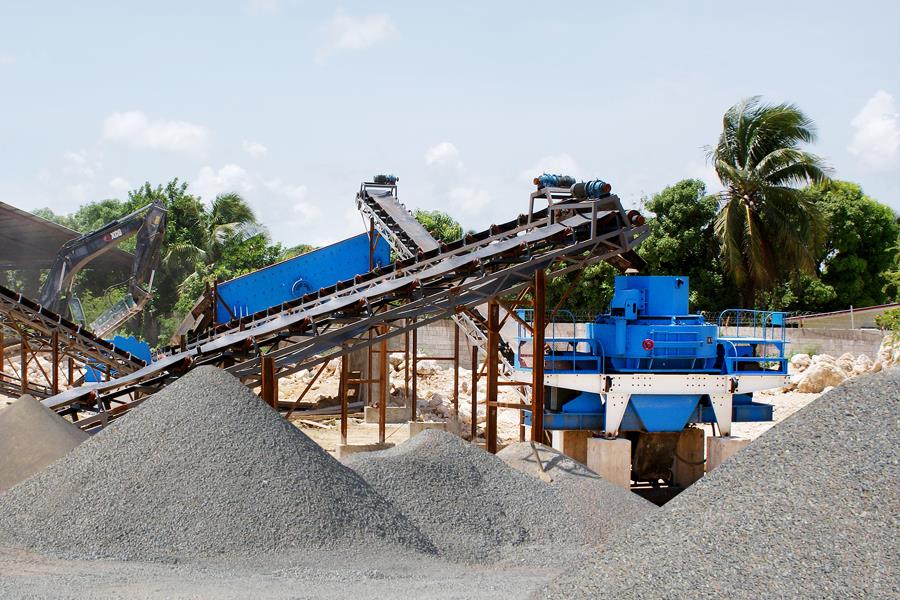
Tertiary sand making – Add a VSI after the cone crusher.
For most quarry operators in the Philippines and Indonesia targeting concrete aggregates, the jaw‑cone combination is the recommended choice. OCP can supply both machines as a matched set, with factory‑direct pricing and shared wear parts inventory.
To optimize your jaw crusher vs cone crusher for granite 150 tph decision, we recommend:
Conducting a simple cost analysis: jaw alone vs. jaw+cone.
Considering future expansion – a cone crusher allows you to produce multiple aggregate sizes.
Consulting our engineers for a site‑specific flow sheet.
As a direct‑selling manufacturer, OCP provides both jaw and cone crushers with no middleman markup. We ship to Manila, Cebu, Jakarta, or Surabaya ports within 18‑22 days.
For a no‑obligation consultation and a detailed comparison of jaw crusher vs cone crusher for granite 150 tph for your specific quarry, simply click the live chat icon on this page. Our online customer service team is available 24 hours a day, 7 days a week, to answer your technical questions, provide free advice on crusher selection, and help you design a profitable granite crushing line.