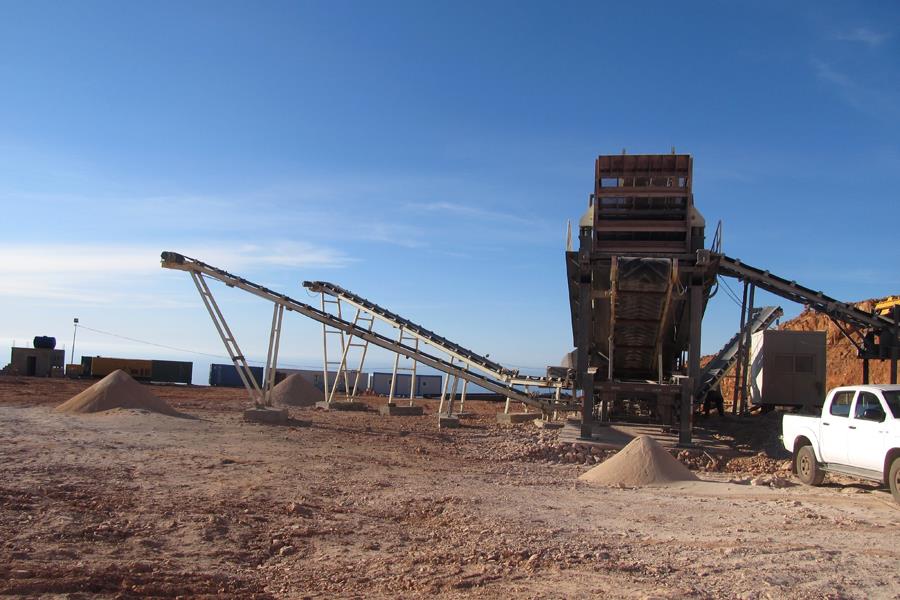
How to Reduce Dust from Crushing Plant Limestone 300 tph
For limestone quarries in Saudi Arabia and the UAE, controlling dust is a regulatory and operational priority. Understanding how to reduce dust from crushing plant limestone 300 tph helps you meet local environmental standards (e.g., 40‑50 µg/m³ PM10) while protecting worker health and equipment. Limestone dust is fine and can be highly visible, but with a combination of engineering controls and operating practices, emissions can be significantly reduced. Below we explain practical methods and how OCP Mechanical Company supports Middle Eastern quarries.
1. Identify and Seal Dust Generation Points
The first step in how to reduce dust from crushing plant limestone 300 tph is locating where dust escapes. Common sources include:
Crusher feed hoppers (jaw crusher, impact crusher)
Crusher discharge chutes
Vibrating screen decks (especially dry screening of fine limestone)
Transfer points between conveyors
Stockpile filling points
For a 300 tph limestone plant, OCP recommends enclosing these points with rubber skirts, steel covers, or modular dust hoods. Simple sealing can reduce visible dust by 60‑80% at very low cost. Note: Product data are constantly updated; for the latest dust control components, please contact our online customer service.
Typical solutions for how to reduce dust from crushing plant limestone 300 tph (for illustration only; actual data subject to continuous improvement):
Primary impact crusher (Type I) – Install a water spray bar at the feed inlet (flow 20‑40 L/min).
Screen decks – Use polyurethane panels with integrated spray nozzles.
Transfer chutes – Fit rubber curtain strips and maintain negative pressure with a small dust collector.
The above values are for illustration only. OCP continuously improves its products. Contact our online team for the most current data sheet.
Many quarries in Riyadh and Dubai have adopted these measures, reporting compliance with local limits and reduced water usage.
2. Choose Between Wet and Dry Suppression
A key decision in how to reduce dust from crushing plant limestone 300 tph is whether to use water sprays (wet) or bag filters (dry). Each has advantages for limestone:
Wet suppression (water sprays) – Lower capital cost, easy to retrofit. Effective at crusher feeds and screens. However, adding moisture can cause screen blinding if limestone is sticky. Water consumption may be high (5‑10 m³/h for a 300 tph plant).
Dry collection (bag filters) – Higher upfront cost but removes dust without adding moisture. Captured limestone dust can be sold as filler or used in cement. Better for dry, fine limestone.
For most Middle Eastern quarries, a hybrid approach works well: water sprays at the primary crusher and bag filters at the final screening and stockpile transfer points. OCP’s Type D dust system includes modular bag filters with pulse‑jet cleaning, sized for 20,000‑40,000 m³/h air volume.
To optimize how to reduce dust from crushing plant limestone 300 tph, we recommend:
Using low‑pressure, high‑volume water nozzles (0.5‑1 bar) to create fine mist, not flooding.
Installing a central dust collector (bag filter) for the VSI or impact crusher outlet.
Recycling collected dust into the product if local specifications allow (limestone fines are often acceptable).
As a direct‑selling manufacturer, OCP provides factory pricing on dust collectors and spray systems, with delivery to Jeddah, Dammam, or Dubai ports within 18‑22 days.
3. Operational Practices That Make a Difference
Beyond equipment, how to reduce dust from crushing plant limestone 300 tph involves daily habits:
Maintain choke‑fed crushers – A full crushing chamber reduces air entrainment and dust puffing.
Minimize drop heights – Install stepped chutes or rock boxes at transfer points.
Pave haul roads – Apply water or dust suppressant on unpaved surfaces (common in remote quarries).
Train operators – Shut down conveyors before screens to avoid empty running.
OCP’s technical team can provide a site‑specific dust management plan. Many quarries in the Eastern Province of Saudi Arabia and Ras Al Khaimah (UAE) have achieved EPA‑equivalent compliance and reduced water use by 30‑50% after implementing these practices.
Note: Actual emission levels depend on local wind conditions and enforcement. We recommend baseline testing before and after implementing controls.
For a no‑obligation consultation and a customized solution on how to reduce dust from crushing plant limestone 300 tph, simply click the live chat icon on this page. Our online customer service team is available 24 hours a day, 7 days a week, to answer your technical questions, provide free advice on dust control, and help you operate a cleaner, compliant limestone crushing plant.