Important Notes for Using a Sand Making Machine
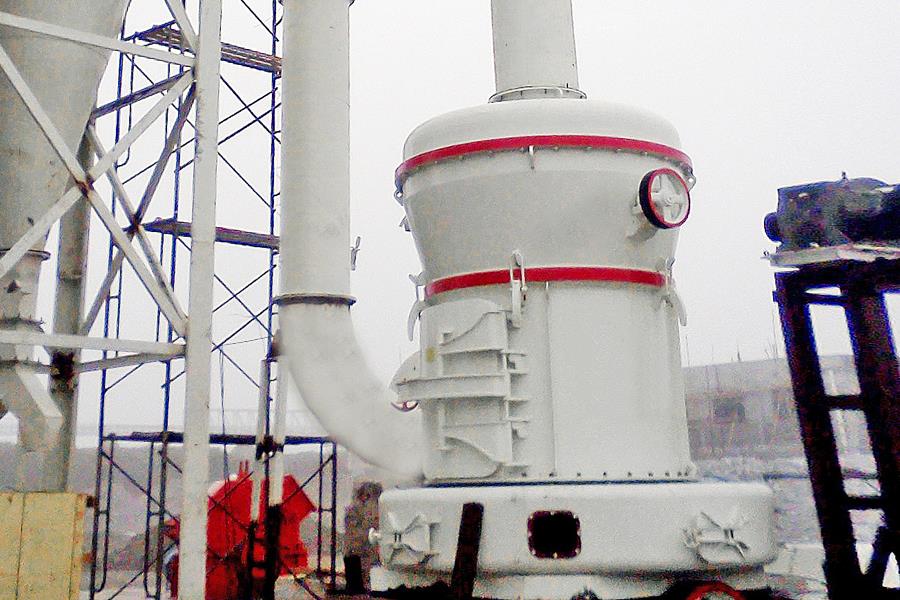
A sand making machine (typically referring to a vertical shaft impact sand making machine/VSI sand making machine) is a core piece of equipment specifically designed for producing high-quality artificial sand (mechanically made sand). The following are important notes for using a sand making machine:
1. The normal operating temperature of the sand-making machine's bearing housing is 40°C to 60°C, with a maximum allowable temperature of 70°C. If the temperature exceeds 70°C after half an hour of operation, it indicates that there is an issue with the bearing housing, and the machine should be shut down immediately for inspection and maintenance.
2. When the sand-making machine is operating under load, the feed particle size must not exceed the maximum particle size allowed by the equipment.
3. During the initial feeding stage of the sand-making machine, there is typically a non-equilibrium process lasting approximately 30–60 seconds. In such cases, feeding should not be stopped; instead, the feed rate should be increased as much as possible until the vibration subsides. When feeding larger particles, intermittent vibration may occur, returning to normal after a few seconds. This is a normal phenomenon caused by a stone being retained by one of the rotor's discharge heads, forming a buildup that is then dislodged. There is no need for concern.
4. If vibration intensifies during operation, it indicates uneven wear between the wear-resistant parts and the rotor, caused by an unbalanced state due to an uneven rotor and accumulated material, or loosening of the pulley's tapered sleeve. After ruling out normal vibration, the machine can be shut down for inspection. Additionally, a vibration switch can be installed on the sand-making machine. When it detects unbalanced vibration, it will automatically shut down the machine before equipment damage or personnel injury occurs.
5. The rotor wear-resistant parts of the sand-making machine are designed to protect the rotor body from wear. To ensure trouble-free operation of the sand-making machine, inspections of the rotor wear-resistant parts and internal material liners must be included in routine maintenance. Wear-resistant parts that cannot meet the requirements for a single work shift should be replaced promptly. Every 8–10 hours of operation, the rotor, internal components, and exterior of the sand-making machine should be inspected, and lubricating grease should be added to the bearing housing, etc.
6. Check the current of the sand-making machine's motor. If the motor current is too high, indicating motor overload, reduce the feed rate until the current value returns to normal.
We are a mining machinery company integrating R&D, production, sales, and service. Our main products include jaw crushers, cone crushers, impact crushers, sand-making machines, mobile crushing plants, ball mills, and production line supporting equipment. We welcome all customers to visit our factory for on-site inspections. Click on the website customer service for free consultation, available 24/7.