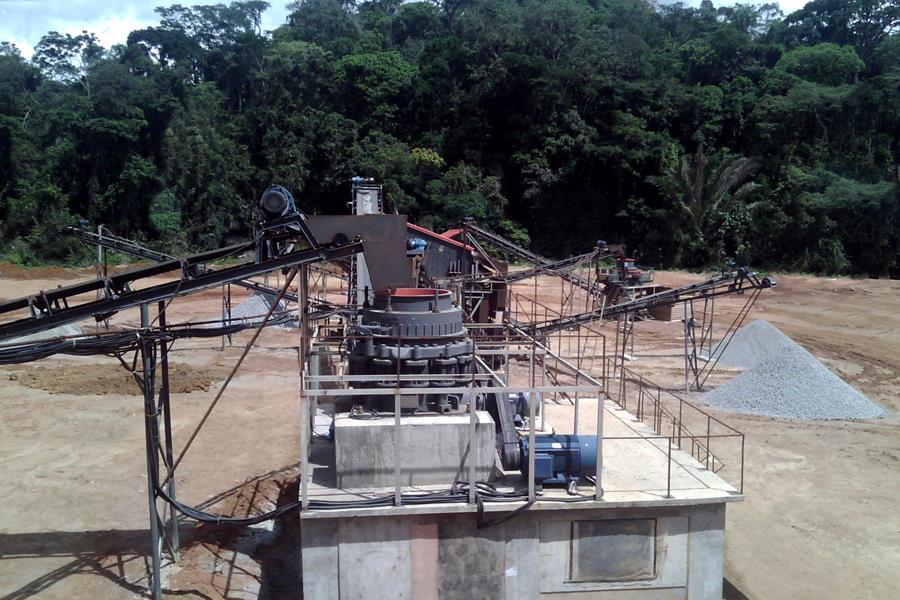
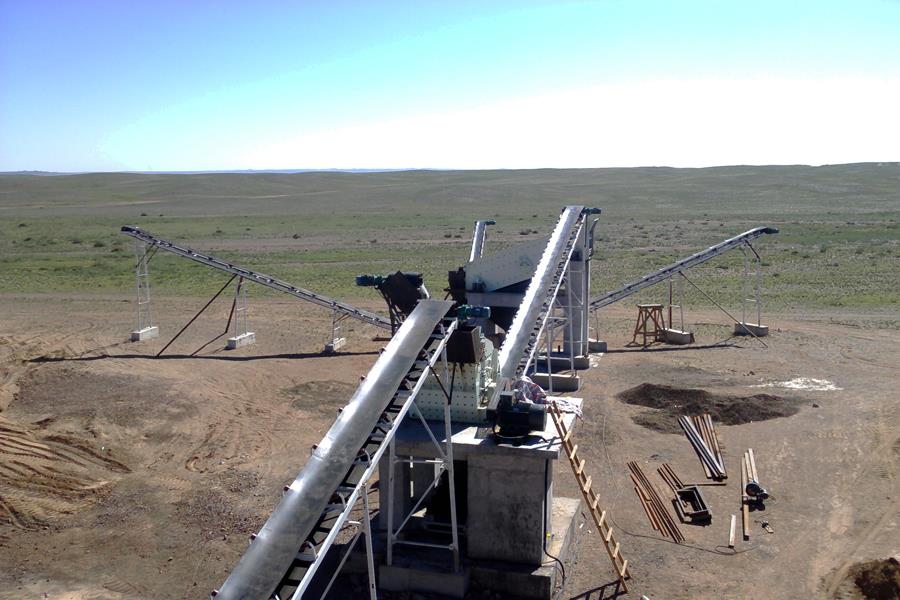
For aggregate producers in Australia and the United States, choosing between an impact crusher and a cone crusher for secondary or tertiary crushing affects both product shape and long‑term operating costs. An impact crusher vs cone crusher operating cost comparison depends on feed material hardness, abrasiveness, and desired product. Below we compare wear part costs, energy consumption, and maintenance requirements to help you make an informed decision. OCP Mechanical Company offers both crusher types with factory‑direct pricing and local support.
Wear Part Cost per Ton: Impact vs. Cone
In any impact crusher vs cone crusher operating cost comparison, wear parts are the largest expense. For an impact crusher (Type I), blow bars and wear liners are consumed relatively quickly when processing hard, abrasive rock like granite or basalt. Typical blow bar life in hard rock is 80‑200 hours, with cost per ton ranging from $0.08 to $0.20. For softer rock like limestone, impact crushers are more economical, with cost per ton as low as $0.03‑$0.08.
For a cone crusher (Type C), manganese liners last much longer in hard rock – typically 1,000‑2,500 hours – with cost per ton of $0.05‑$0.12. However, cone crushers produce more elongated particles and generally have lower reduction ratios per pass. The impact crusher vs cone crusher operating cost comparison shows that for hard, abrasive rock, cone crushers have lower wear part costs per ton. For medium to soft rock, impact crushers are competitive.
Note: Product data are constantly updated; for the latest specifications of Type I and Type C, please contact our online customer service.
Many quarries in Queensland and California have switched from impact to cone crushers for hard granite due to excessive blow bar consumption. Conversely, limestone operations in Florida and South Australia prefer impact crushers for their higher reduction ratio and better particle shape.
Energy Consumption and Throughput
Another factor in an impact crusher vs cone crusher operating cost comparison is energy efficiency. Impact crushers typically consume 0.8‑1.2 kWh per ton for medium rock, while cone crushers consume 0.6‑1.0 kWh per ton. The difference is more pronounced at finer settings. For a 250 tph plant, this can translate to $5,000‑$15,000 annual difference in electricity cost (at $0.10/kWh).
Cone crushers generally have higher capacity for the same motor size. A Type C cone crusher with 200 kW can achieve 250‑350 tph in secondary crushing, while a Type I impact crusher with similar power may produce 200‑280 tph. However, impact crushers offer a higher reduction ratio (up to 15:1) compared to cone crushers (4‑6:1), potentially eliminating a tertiary stage.
The impact crusher vs cone crusher operating cost comparison favors cone crushers for high‑tonnage, hard rock applications where energy efficiency and wear cost are critical. Impact crushers are preferred when shape and reduction ratio are more important than wear cost.
The above values are for illustration only. OCP continuously improves its products. Contact our online team for the most current data sheet.
Maintenance and Downtime Differences
Maintenance frequency and ease also differ in an impact crusher vs cone crusher operating cost comparison. Impact crushers require more frequent blow bar changes (every 1‑4 weeks in hard rock), each taking 4‑8 hours. However, impact crushers have fewer internal moving parts and are generally easier to access for routine maintenance.
Cone crushers require less frequent liner changes (every 2‑6 months), but a liner change takes 6‑12 hours and requires more skill. Additionally, cone crushers have more complex lubrication systems that need regular monitoring. In terms of unplanned downtime, cone crushers are less sensitive to tramp iron (hydraulic relief), while impact crushers can suffer catastrophic blow bar or rotor damage if uncrushable material enters.
For operations with skilled maintenance crews, cone crushers often have lower total downtime. For smaller operations or those processing variable feed, impact crushers may be easier to manage. The impact crusher vs cone crusher operating cost comparison should include your available technical expertise.
As a direct‑selling manufacturer, OCP provides factory pricing on both crusher types, with local support in Australia and the USA. We ship to Brisbane, Sydney, Los Angeles, or Houston ports within 20‑25 days.
Which Crusher Is Right for Your Operation?
The impact crusher vs cone crusher operating cost comparison leads to these practical recommendations:
Choose an impact crusher (Type I) for limestone, dolomite, or recycled materials where shape and high reduction ratio are important, and wear costs are acceptable.
Choose a cone crusher (Type C) for hard, abrasive rock (granite, basalt, iron ore) where wear cost per ton is the priority, and product shape is less critical.
OCP Mechanical Company has over 40 years of history in crushing equipment. We offer free pre‑sale material testing to recommend the optimal crusher type for your rock. Our 24/7 online technical support is available to help you with installation, tuning, and wear part selection.
For a no‑obligation quotation and a personalized impact crusher vs cone crusher operating cost comparison for your specific application, simply click the live chat icon on this page. Our online customer service team is available 24 hours a day, 7 days a week, to answer your technical questions, provide free recommendations, and help you lower your cost per ton.