Difference Between Single and Double Deck Vibrating Screen
For quarry operators in Kenya and Uganda, selecting the right vibrating screen is critical for producing multiple aggregate sizes. Understanding the difference between single and double deck vibrating screen helps you choose the most efficient machine for your product needs and budget. Both types use a vibrating mechanism to separate material by size, but the number of decks determines how many fractions you can produce. Below we explain the key differences and how OCP Mechanical Company supplies durable screens for East African conditions.
Single Deck Screen: Simple and Cost‑Effective
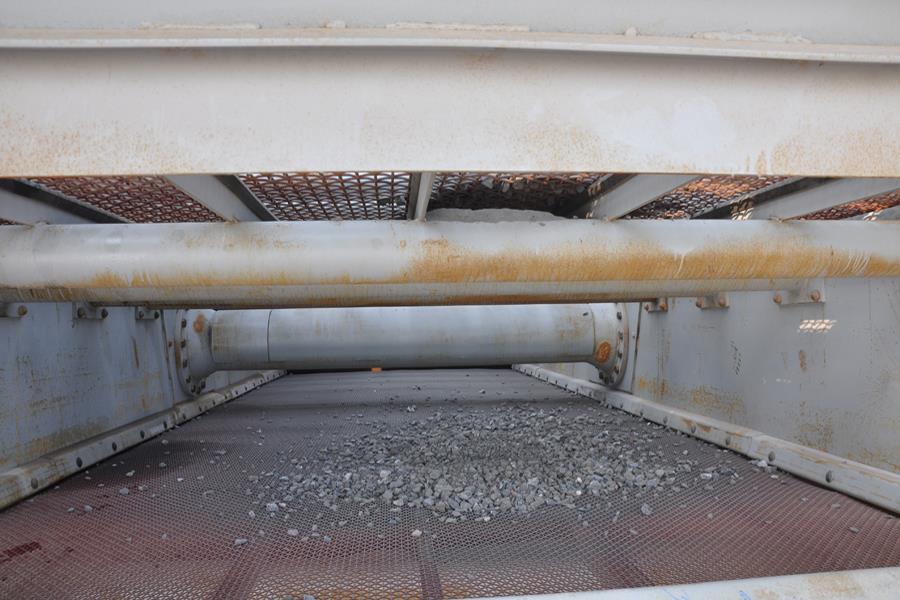
A single deck vibrating screen has one layer of screen media. It separates feed into two fractions: oversize (retained on the deck) and undersize (passing through). The difference between single and double deck vibrating screen starts here: a single deck is ideal for simple applications where only one separation is needed, such as:
Removing oversize material before a crusher (scalping)
Producing one graded product (e.g., 0‑20 mm for road base)
Dewatering sand or washing aggregates
OCP’s Type S single deck screen is available in sizes from 1,200 x 3,600 mm to 1,800 x 6,000 mm. Note: Product data are constantly updated; for the latest specifications of Type S, please contact our online customer service.
For a 100 tph plant in Nairobi or Kampala, a single deck screen is often sufficient for producing base course material. It costs 30‑40% less than a double deck screen of the same size and requires less maintenance.
Double Deck Screen: Two Products from One Machine
A double deck vibrating screen has two layers of screen media stacked vertically. The top deck has larger apertures, and the bottom deck has smaller apertures. The difference between single and double deck vibrating screen becomes clear in output: a double deck produces three fractions:
Oversize from top deck
Mid‑size between top and bottom decks
Undersize passing bottom deck
This allows you to produce, for example, 0‑5 mm sand (bottom deck undersize), 5‑15 mm chips (between decks), and +15 mm gravel (top deck oversize). A double deck screen is more expensive but saves the cost of a second screen and extra conveyors.
OCP’s Type S double deck screen is widely used in East African quarries producing concrete aggregates. Many operators in Mombasa and Jinja have replaced two single deck screens with one double deck unit, reducing energy consumption and floor space.
The above values are for illustration only. OCP continuously improves its products. Contact our online team for the most current data sheet.
Which Screen Is Right for Your Operation?
The difference between single and double deck vibrating screen ultimately depends on your product mix:
Choose a single deck screen if you need only two fractions (e.g., oversize and fines) or if you are scalping before a crusher. Lower initial cost and simpler operation.
Choose a double deck screen if you need three fractions (e.g., sand, chips, and gravel) or if you want to reduce equipment count. Higher upfront cost but better space utilization.
For most quarries producing standard concrete aggregates (0‑5 mm, 5‑15 mm, 15‑25 mm), a double deck screen is the recommended choice. For a 150 tph line, a single 1,800 x 5,000 mm double deck screen typically handles the load without issues.
As a direct‑selling manufacturer, OCP provides factory pricing on both single and double deck screens, with no middleman markup. We keep common screen panels and bearings in our Nairobi and Kampala warehouses for fast delivery.
Why OCP Is Your Partner for Screening in East Africa
Understanding the difference between single and double deck vibrating screen helps you make an informed investment. OCP Mechanical Company has over 40 years of history in screening equipment. We offer:
Free pre‑sale screen sizing based on your feed material and target products.
A customized recommendation (single or double deck) to minimize capital cost.
24/7 online technical support for installation, tuning, and screen media replacement.
Our Type S vibrating screens have been successfully deployed in aggregate, sand, and mining projects across Kenya, Uganda, and Tanzania. Customers often highlight the robust construction, easy panel change, and economical price.
For a no‑obligation quotation and personalized advice on the difference between single and double deck vibrating screen for your quarry, simply click the live chat icon on this page. Our online customer service team is available 24 hours a day, 7 days a week, to answer your technical questions, provide free recommendations, and help you produce the right aggregates for your market.