How to select a screen for dry screening of anhydrite 145 tph – A practical guide for Saudi Arabian mineral processors
Why knowing how to select a screen for dry screening of anhydrite 145 tph is essential in Saudi Arabia
Saudi Arabia's mining sector is experiencing unprecedented growth. The country recorded a significant increase in new mining exploitation licenses during the first half of 2025 compared to the previous year. As of mid-2025, the Kingdom had nearly 240 active exploitation and small-mine licenses, reflecting the government's commitment to diversifying the economy beyond oil under Saudi Vision 2030. This ambitious program aims to invest over $500 billion in infrastructure projects, driving substantial demand for construction materials, industrial minerals, and aggregates. Anhydrite – a mineral form of calcium sulfate – is increasingly sought after for cement production, gypsum board manufacturing, and soil conditioning. For operators processing this material in the Kingdom's arid environment, dry screening is often the preferred method due to water scarcity. Understanding how to select a screen for dry screening of anhydrite 145 tph is therefore a critical skill for plant engineers and project managers. At OCP Mechanical Company, with over 40 years of manufacturing expertise, we have supplied screening equipment to numerous Saudi operations and can guide you through the selection process, ensuring reliable performance and cost-effective operation.
Understanding anhydrite properties and their influence on screen selection
Anhydrite is an evaporite mineral composed of calcium sulfate (CaSO₄) with a Mohs hardness of 3 to 3.5, making it relatively soft but also brittle. Its bulk density typically ranges from 2.6 to 2.9 t/m³, and it has a tendency to produce fine dust during processing. When you are learning how to select a screen for dry screening of anhydrite 145 tph, the first consideration is the material's moisture content. Anhydrite is naturally low in moisture in its dry state, which is ideal for dry screening. However, it can become sticky if exposed to humidity or if it contains clay impurities, which may cause blinding of the screen apertures. The feed gradation is another key factor; anhydrite is often extracted as lumpy material and requires size reduction before screening. For a 145 tph target, you need a screen with adequate surface area and vibration intensity to handle the feed without overload. The desired product size – typically for cement or gypsum applications, a final product of 0-10 mm or 0-20 mm – will determine the screen deck configuration and mesh size. Our engineering team can analyse your specific anhydrite sample and recommend the optimal screen type, whether it's a circular motion vibrating screen, a linear motion screen, or a high-frequency screen, depending on your product specifications.
Key parameters in screen selection – size, deck configuration, and vibration characteristics
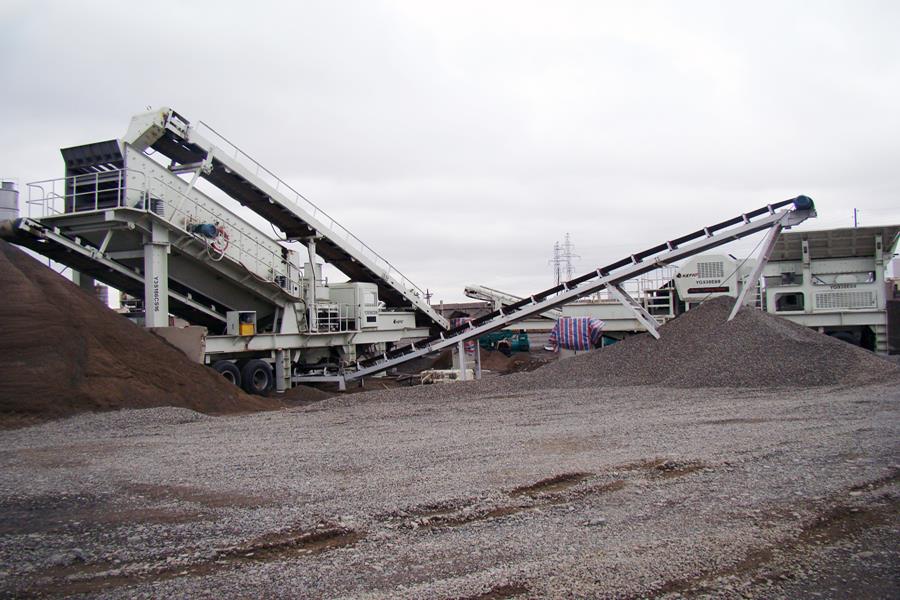
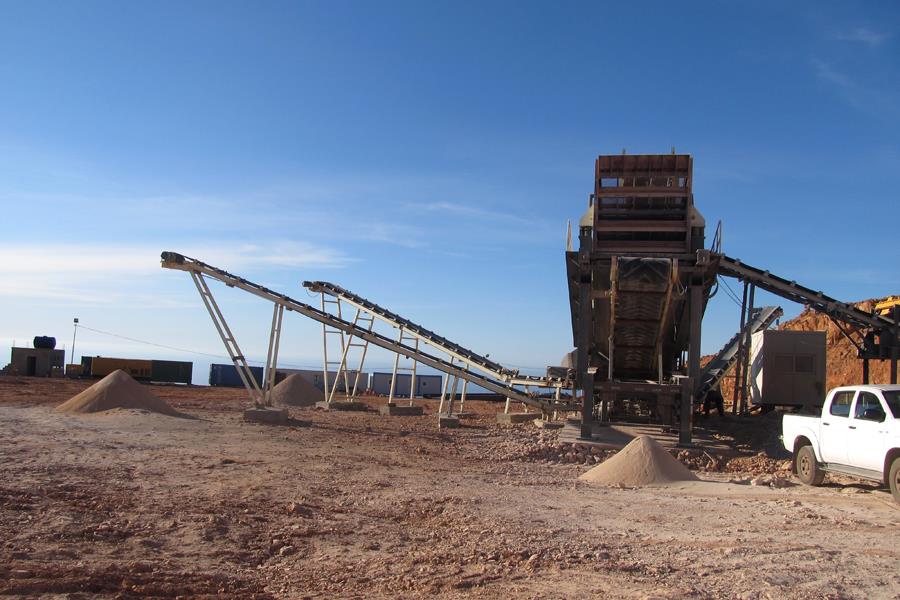
When you investigate how to select a screen for dry screening of anhydrite 145 tph, you will encounter several critical parameters. The screening area is one of the most important; a general rule of thumb for dry screening of medium-hard materials is that a 145 tph requirement typically needs a screening area of approximately 6 to 10 square metres, depending on the desired cut size and the material's bulk density. The number of decks – whether single, double, or triple – affects both capacity and the number of product fractions you can produce. For many anhydrite applications, a double-deck screen is preferred: the top deck removes oversize (e.g., >20 mm) for recirculation to a crusher, while the lower deck produces the final product (e.g., <10 mm) and a middlings fraction. The vibration amplitude and frequency also influence efficiency; a higher amplitude provides better stratification and reduces blinding, but it increases wear on the screen media. For anhydrite, we recommend a vibration frequency of 800-1,000 RPM and an amplitude of 3-6 mm. The inclination angle of the screen deck also matters – typically 15 to 25 degrees for circular motion screens. Our Type S screening plant is designed for dry applications like anhydrite and can be configured with various deck arrangements and screen media. All product specifications are continuously updated; for the latest parameters, please consult our online customer service.
Screen media selection – choosing the right mesh for anhydrite
One of the most impactful decisions in how to select a screen for dry screening of anhydrite 145 tph is the choice of screen media. The mesh size directly determines the cut point and the quality of the final product. For anhydrite, woven wire mesh is a common and cost-effective option, offering good accuracy and moderate wear life. However, for finer cuts below 5 mm, polyurethane or rubber screen panels may be more suitable, as they reduce blinding and have longer service life. The aperture shape also matters – square apertures provide a consistent cut, while slotted apertures offer higher throughput for elongated particles but may allow more fines to pass. For abrasive anhydrite, we recommend using high-tensile steel wire mesh with a wear-resistant coating or, for longer life, modular polyurethane panels with tapered openings that resist pegging. The screen panels should be easily replaceable to minimise downtime. Our Type S screens use a modular panel system that allows quick changeovers. We also offer a range of hole sizes from 0.5 mm to 50 mm, and our team can advise on the optimal media for your specific product specifications. Additionally, we recommend using a ball deck or bounce bars on the lower deck to prevent blinding, especially when screening moist or fine anhydrite.
Capacity calculation and efficiency – ensuring 145 tph is achievable
A proper selection process requires a reliable capacity calculation. When you are working through how to select a screen for dry screening of anhydrite 145 tph, the screening efficiency – the percentage of material that passes through the screen – is a key performance indicator. A typical target is 85-95 per cent efficiency. The formula for screening capacity is influenced by several factors, including the screen area, the aperture size, the material's bulk density, the percentage of fines in the feed, and the screen's inclination. A typical estimation method starts with the basic capacity per square metre for the aperture size, then applies correction factors for half-size material, oversize material, moisture, and efficiency. For anhydrite with a bulk density of 2.8 t/m³, a cut size of 10 mm, and 20 per cent oversize, the required screen area might be 7‑9 square metres for a 145 tph feed. Our engineering team provides a comprehensive capacity calculation with our quotes, using our proprietary modelling tools that have been validated across hundreds of installations. We also consider the feed rate's variability and recommend a slight oversizing (10‑15 per cent) to accommodate peak loads. By performing an accurate capacity calculation, you avoid the risk of bottlenecking your entire plant.
Environmental and operational considerations for dry screening in Saudi Arabia
Saudi Arabia's climate presents unique challenges for dry screening operations. Ambient temperatures can exceed 45°C in summer, which affects the performance of motors, bearings, and other components. When you select a screen for dry screening of anhydrite 145 tph, you should specify high-temperature grease and ensure the screen's bearings are rated for elevated temperatures. Dust is another major consideration; Saudi environmental regulations, aligned with international standards, require effective dust suppression and collection systems. Our screens are available with fully enclosed bodies, dust extraction points, and optional water spray systems that can be used sparingly for dust control, although water scarcity means dry extraction is often preferred. We offer integrated dust hoods that connect to your plant's dust collection system. Additionally, Saudi Arabia's power supply is generally stable at 415V/50Hz, but voltage variations can occur in remote areas. We recommend using motors with a wide voltage tolerance and installing soft starters to reduce start-up current. Our Type S screens are designed for these conditions, with a rugged frame and oversized bearings to handle the thermal stress and high vibration loads.
Maintenance strategies and spare parts for long-term reliability
Even the best-selected screen requires regular maintenance to sustain 145 tph throughput. Key maintenance tasks for dry screening of anhydrite include daily checks of the screen media for wear or damage, weekly lubrication of the bearings, and monthly inspection of the drive springs and motor mounts. Screen media should be replaced when worn or damaged; woven wire mesh may need replacement every 200‑500 hours, depending on the abrasiveness of the feed. Polyurethane panels can last significantly longer. We provide a comprehensive maintenance manual with every screen and can offer on-site training for your maintenance team. We also stock a full range of spare parts at our regional warehouse, including screen panels, bearing cartridges, springs, and drive motors. For remote Saudi sites, we recommend keeping a full set of spare screen panels and a bearing assembly on hand to minimise downtime. Our after-sales support includes remote diagnostics and, if needed, on-site service visits. By implementing a proactive maintenance program, you can achieve screen availability of over 95 per cent, which is essential to meeting your 145 tph production target consistently.
Sample parameter table for Type S screening plant (for reference only)
The table below provides indicative specifications for our Type S screening plant, suitable for dry screening of anhydrite at 145 tph. Actual values depend on feed gradation, cut size, and required efficiency; please request the latest data from our customer service, as all parameters are continuously updated.
| Parameter | Value (approximate) |
|---|---|
| Model | Type S |
| Screening area | 6‑10 m² (depending on configuration) |
| Number of decks | 1, 2, or 3 (customisable) |
| Deck size (L x W) | 16’ x 5’ (4.8 x 1.5 m) per deck |
| Vibration frequency | 800‑1,000 RPM |
| Amplitude | 3‑6 mm (adjustable) |
| Inclination angle | 15‑25 degrees |
| Motor power | 15‑30 kW (depending on size) |
| Screen media options | Woven wire, polyurethane, rubber |
This table is for illustrative purposes only. For precise engineering data and process guarantees, please consult our technical team with your specific anhydrite sample and site conditions.
Regarding pricing, a complete Type S double-deck screening plant with standard woven wire mesh typically ranges from $85,000 to $140,000, depending on screen area and customisation. This price is for reference only – final quotations are based on your exact configuration, shipping to Saudi Arabia, and applicable duties.
Why OCP Mechanical is your trusted partner for screening solutions in Saudi Arabia
With over 40 years of manufacturing experience, OCP Mechanical offers more than just screens – we provide complete screening solutions tailored to your processing needs. Our factory-direct model eliminates middleman markups, making our pricing competitive. We can customise the Type S screening plant with various deck arrangements, media types, and drive options. We also supply complete crushing and screening plants if you need a turnkey solution. Our engineering team is familiar with Saudi operational conditions and can recommend the best screen type, media, and support structure for your site. We offer installation supervision, commissioning, and operator training. Our logistics team has experience shipping to Saudi ports and coordinating inland delivery. We also provide all necessary documentation for customs clearance and Saudi Standards compliance. Our after-sales support is responsive, with spare parts available from our regional stock. When you work with us on how to select a screen for dry screening of anhydrite 145 tph, you get a partner committed to your success.
Conclusion – Contact OCP Mechanical for expert screen selection and a competitive quote
Selecting the right screen for dry anhydrite screening is a multi-faceted decision that requires careful consideration of material properties, capacity requirements, environmental conditions, and maintenance needs. OCP Mechanical offers the expertise, quality equipment, and support you need to make the right choice. Our online customer service team is available 24/7 to provide free consultation, updated technical data, and a customised quote. Click the chat button now to discuss your anhydrite processing requirements – we will help you select the optimal screen for your 145 tph operation in Saudi Arabia and ensure long-term, reliable performance.