How to balance a cone crusher rotor after mantle replacement – A step‑by‑step guide for reliable operation
Why proper balancing after mantle replacement is critical for cone crusher performance
Cone crushers are the workhorses of many aggregate and mining operations, processing millions of tonnes of material annually. The mantle is one of the most frequently replaced wear parts, typically every 800 to 1,500 hours depending on the abrasiveness of the feed. However, a common oversight during mantle replacement is neglecting to check and restore the dynamic balance of the crusher's rotating assembly – which includes the main shaft, mantle, and eccentric. An unbalanced assembly can lead to excessive vibration, accelerated bearing wear, reduced crushing efficiency, and even catastrophic failure. Understanding how to balance a cone crusher rotor after mantle replacement is essential for maintenance engineers and plant operators who want to protect their equipment and maintain consistent production. At OCP Mechanical Company, with over 40 years of manufacturing expertise, we have guided countless customers through this procedure. This guide provides a practical, field‑tested approach to balancing your cone crusher after a mantle change, ensuring smooth operation and extended component life.
Understanding the concept of balance in a cone crusher
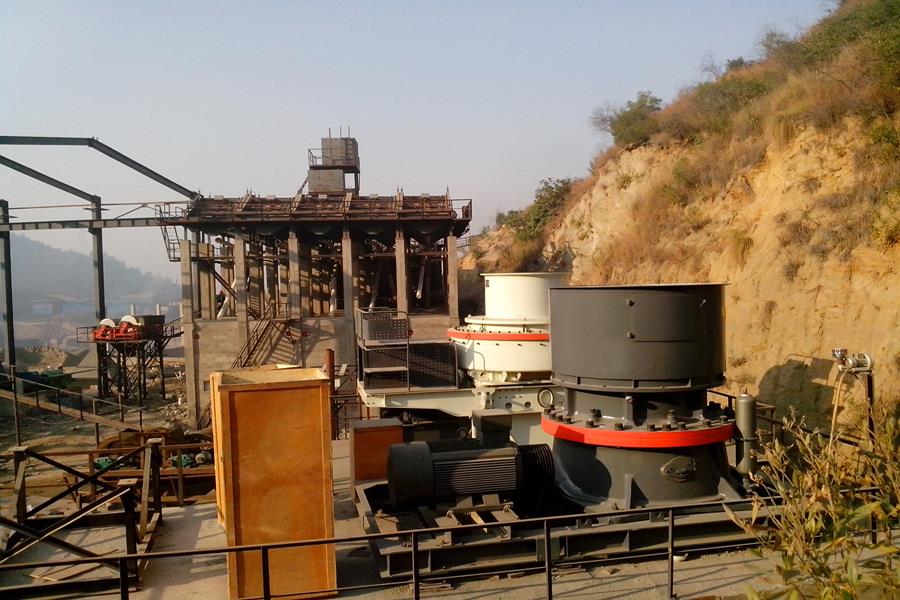
Before diving into the procedure, it is important to understand what balance means in the context of a cone crusher. Unlike a VSI crusher which has a high‑speed rotor that must be dynamically balanced to very tight tolerances, a cone crusher has a heavier, slower‑speed rotating assembly consisting of the main shaft, mantle, and eccentric. The balance condition is affected by the weight distribution of these components, with the mantle being the variable that changes during replacement. When you replace a worn mantle with a new one, the weight and the centre of gravity shift slightly, potentially introducing an imbalance. This can cause the crusher to vibrate at its operating speed, leading to issues such as oil seal leaks, increased power draw, and premature failure of the main bearings. Therefore, how to balance a cone crusher rotor after mantle replacement is not just a maintenance task; it is a critical step in ensuring the long‑term reliability of your crusher. OCP Mechanical recommends performing a balance check after every mantle replacement, using the procedure described below.
Pre‑balancing checks – what to inspect before starting the balancing procedure
Before you begin the balancing process, there are several preliminary checks that should be performed to ensure accurate results. First, inspect the new mantle for any manufacturing defects – cracks, uneven surfaces, or dimensional variations – and verify that it is the correct part number for your crusher model. Second, check the condition of the main shaft and the eccentric. Any wear or scoring on the shaft can affect the balance readings, and if the eccentric bushings are worn, they should be replaced before balancing. Third, ensure that the mantle is correctly seated and that the locking nut or bolt is torqued to the manufacturer's specifications. An improperly seated mantle can introduce runout, which will be incorrectly interpreted as an imbalance. Fourth, clean the crusher cavity and remove any debris that could interfere with the assembly. Finally, ensure that the crusher is on a solid, level foundation and that all mounting bolts are tightened. These pre‑balancing checks are essential steps in how to balance a cone crusher rotor after mantle replacement, as they eliminate other variables and ensure that you are measuring the balance of the rotor assembly itself, not external factors.
Balancing methods – dynamic vs. static and field options
Cone crusher rotors are balanced dynamically because they rotate at speed and the imbalance forces are dynamic. This is typically done using a vibration analysis tool that measures the amplitude and phase of vibration at the crusher's operating speed. A two‑plane dynamic balancing procedure is recommended, where you measure the vibration at two points (usually the upper and lower bearing housings) and add trial weights to determine the correction required. The procedure involves the following steps: First, run the crusher without any added weight and record the baseline vibration levels. Second, add a test weight to the mantle in a known position (e.g., at 0 degrees) and run the crusher again, recording the new vibration readings. Third, move the test weight to a different position (e.g., 90 degrees) and record a third set of readings. The data can be used to calculate the magnitude and location of the correction weight required. For operators who do not have access to advanced vibration analysis equipment, a simpler static balance check can be performed by rotating the shaft by hand and observing where the assembly comes to rest. However, this method is less accurate and is only suitable for very low‑speed crushers. At OCP Mechanical, we recommend using a portable balancer or calling a specialist, as precise dynamic balancing is the most reliable method for how to balance a cone crusher rotor after mantle replacement.
Adding correction weights – how to compensate for imbalance
Once you have determined the required correction weight and its location, the next step is to add or remove weight from the rotating assembly. In most cases, weight is added by installing small lead or steel weights in holes provided on the mantle's outer rim, or on a balance ring that is specifically designed for this purpose. The correction weight should be securely attached to prevent it from coming loose during operation. For example, if the imbalance is 200 gram‑centimetres at 45 degrees, you would install a 200‑gram weight at the 45‑degree mark on the balance ring. After adding the correction weight, run the crusher again and measure the vibration to verify that it has been reduced to acceptable levels. In some cases, multiple iterations may be needed to achieve optimal balance. It is important to maintain a record of the correction weight used and the resulting vibration levels for future reference, as this data can speed up the balancing process on subsequent maintenance events. This iterative approach is a fundamental part of how to balance a cone crusher rotor after mantle replacement and ensures that your crusher runs smoothly.
Verification and testing – confirming that the rotor is properly balanced
After applying the correction weight, you should perform a verification test. This involves running the crusher under load (with feed) and monitoring vibration levels, power draw, and product quality. Acceptable vibration levels vary depending on the crusher size and speed, but a general guideline is that the overall vibration velocity should be less than 3 mm/s RMS for a well‑balanced crusher. If the vibration is still above this threshold, you may need to adjust the correction weight or add additional weights. It is also advisable to check the crusher's oil temperature and pressure during the test run, as an imbalance can cause excessive heat generation. Record the final vibration levels and the weight configuration for future reference. This step is crucial in how to balance a cone crusher rotor after mantle replacement because it confirms that the procedure was successful and that the crusher can operate safely and efficiently. Our Type B cone crushers feature a balance ring with pre‑drilled holes, making it easier to add correction weights, and we provide detailed balancing charts to guide your maintenance team through the process. All product specifications are continuously updated; for the latest parameters, please consult our online customer service.
Common mistakes and troubleshooting tips
Even with a detailed procedure, mistakes can happen. One common error is using incorrect trial weight positions or not running the crusher at its operating speed during the measurement, which leads to inaccurate data. Another mistake is not accounting for the weight of the feed material, which can affect the balance, particularly if the crusher is fed unevenly. If you encounter persistent vibration issues, check the following: ensure the crusher is securely mounted to the foundation, verify that the feed is evenly distributed across the crushing chamber, and confirm that the mantle is correctly tightened. Also, check the condition of the bearings and the main shaft; wear in these components can cause vibration that is independent of the mantle balance. If the vibration is still excessive after multiple balancing attempts, you may need to have the crusher dynamically balanced by a specialist using a portable balancer. OCP Mechanical offers remote diagnostic support and can guide you through the balancing procedure, or we can dispatch a service engineer to your site if required. By following these how to balance a cone crusher rotor after mantle replacement guidelines, you can avoid common pitfalls and achieve a successful balance.
Preventive maintenance – scheduling and record‑keeping
Balancing after mantle replacement should be part of a comprehensive preventive maintenance program. We recommend performing a balance check after every mantle change, even if you do not expect significant imbalance. This proactive approach will catch issues early and prevent damage to other components. Maintaining accurate records of the correction weights used for each crusher model and each mantle type is also valuable, as it can help predict the required correction on future replacements, reducing the balancing time. Additionally, periodic vibration monitoring during normal operation can detect developing imbalance before it leads to failure. Our condition monitoring systems are capable of continuously tracking vibration and providing early warnings. This preventive approach to how to balance a cone crusher rotor after mantle replacement not only extends the life of your crusher but also reduces unplanned downtime, improving overall plant profitability.
How OCP Mechanical can support your balancing needs
OCP Mechanical has been manufacturing and servicing cone crushers for over four decades. We understand the importance of proper balancing and can provide both the equipment and the expertise to help you achieve optimal performance. Our Type B cone crusher is designed with ease of maintenance in mind, featuring a balance ring with marked positions for trial weights, and we supply detailed balancing charts with every machine. We also offer on‑site training for your maintenance team, covering the complete balancing procedure. If you are unsure about performing the balance yourself, we can send a trained technician to your site. Additionally, we stock a full range of replacement parts for all our cone crusher models, including mantles, concaves, and balance weights. Our online customer service team is available 24/7 to answer your technical questions and provide guidance. When you are planning how to balance a cone crusher rotor after mantle replacement, you can count on OCP Mechanical for reliable support and high‑quality products.
Conclusion – Master the balancing procedure and protect your crusher investment
Balancing a cone crusher after mantle replacement is a critical maintenance task that should not be overlooked. A properly balanced rotor reduces vibration, extends bearing life, and ensures consistent crushing performance. By following the step‑by‑step guide outlined above – from preliminary checks to verification – you can confidently perform this procedure and keep your crusher operating at its best. OCP Mechanical is here to support you with expert advice, quality parts, and responsive service. We invite you to contact our online customer service team, available 24/7, for further information or to request a quote for our maintenance support services. Click the chat button now – let us help you master how to balance a cone crusher rotor after mantle replacement and ensure the long‑term reliability of your crushing operation.