How to select a cone crusher cavity for fine crushing of fluorite 65 tph
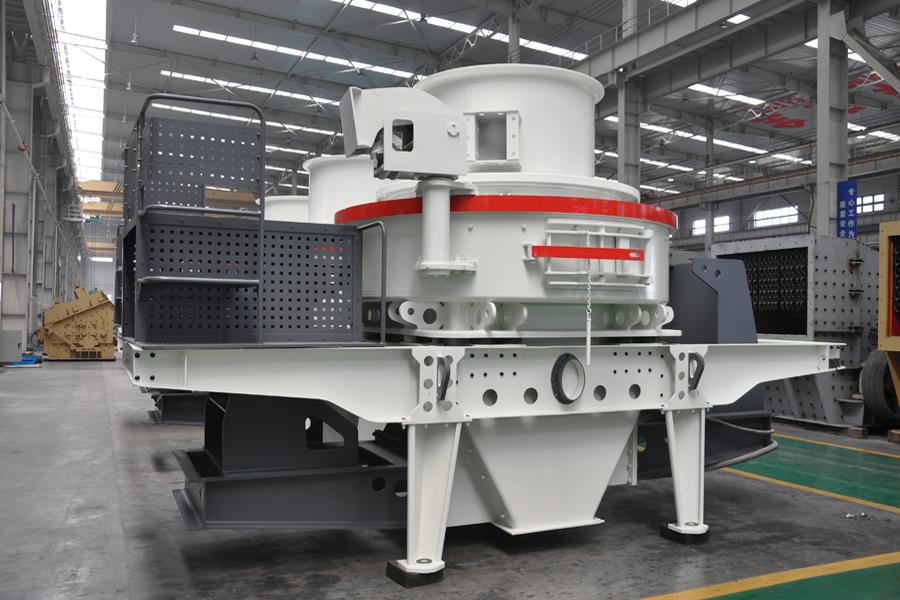
Mexico ranks among the world’s top fluorite producers, with major deposits in San Luis Potosí, Coahuila, and Durango. This calcium fluoride mineral is essential for the chemical, ceramic, and metallurgical industries, and its export value depends heavily on achieving tight particle size distributions with minimal fines. For plant managers and process engineers, the question How to select a cone crusher cavity for fine crushing of fluorite 65 tph is not merely technical—it directly affects product quality, liner life, and overall operating costs. Fluorite is moderately hard (Mohs 4) but brittle, making it prone to over-crushing if the cavity geometry is not carefully matched to the feed and desired product. With OCP Mechanical Company’s four decades of direct manufacturing experience, we offer cone crushers engineered for precise size reduction, and our team helps Mexican operators choose the right cavity configuration without paying distributor premiums.
Why fluorite demands a tailored cone cavity
Fluorite breaks along perfect cleavage planes, which means it can produce excessive fines when subjected to high compression or multiple crushing events. A cone crusher cavity that is too long or has a narrow parallel zone may generate unwanted dust, reducing the yield of the target 0–5 mm fraction often required for acid-grade fluorspar. Conversely, a cavity that is too short may not sufficiently reduce the feed, leading to recirculating loads and higher energy consumption per ton. Therefore, when you evaluate How to select a cone crusher cavity for fine crushing of fluorite 65 tph, you must consider the closed side setting (CSS), the feed opening size, and the length of the parallel crushing zone. For fine crushing applications, a short-head cavity with a longer parallel zone is generally preferred because it promotes inter-particle comminution and produces a more uniform product. However, the feed must be well-screened to remove fines before entering the crusher, otherwise the cavity can pack and reduce throughput. OCP’s engineering team can simulate your feed gradation using our proprietary software, recommending the optimal chamber profile—whether it is a fine, extra-fine, or super-fine cavity—to achieve the desired 65 tph output while maintaining power draw within a stable range. All technical parameters, including eccentric throw and mantle wear allowances, are continuously updated; the latest specifications are available from our online support team.
Key parameters that define the right cavity at 65 tph
Selecting a cone crusher cavity involves balancing several variables. The feed size distribution for a 65 tph fine-crushing circuit typically has a top size of 30–50 mm, and the target product is often below 6 mm. A cavity with a small feed opening and a tight CSS (e.g., 6–10 mm) will produce finer material but may have lower capacity if the feed contains too many fines. OCP’s cone crushers feature hydraulic setting adjustment and overload protection, allowing you to change the CSS in minutes—a valuable feature when processing fluorite from different seams with varying hardness. The eccentric speed and stroke also affect particle shape and fines generation. For fluorite, a moderate stroke with a higher speed can enhance breakage without creating excessive flats or slivers. Additionally, the crushing chamber’s liner profile—whether coarse, medium, or fine—determines the retention time of material in the crusher. A finer cavity with a longer parallel section will increase the chance of particles breaking to target size, but it also increases wear rate on the liners. OCP offers manganese steel and chrome-alloy liners that are field-tested for abrasive yet brittle ores. By comparing life-cycle cost projections, many Mexican operators find that investing in a premium liner material reduces total cost per ton, even if the initial purchase is slightly higher. When you consider How to select a cone crusher cavity for fine crushing of fluorite 65 tph, it is wise to request a cavity recommendation based on your actual feed sieve analysis and moisture content, as these factors significantly affect performance. All price information in this article is for reference only; final quotations depend on selected chamber type and current material costs.
Operational and logistical factors for Mexican projects
Mexico’s mining regions often sit at elevations above 2,000 metres, which can affect motor cooling and power consumption. OCP’s cone crushers are designed with high-altitude options, including derated motors and forced-air cooling systems, to maintain consistent throughput. Furthermore, the availability of wear parts and service technicians in Mexico is a key consideration. OCP maintains a network of authorised distributors and stocks critical spare parts in regional warehouses, reducing lead times for liner replacements. We also offer remote diagnostic support via our 24-hour online chat, helping your maintenance team troubleshoot issues without waiting for on-site visits. When you follow How to select a cone crusher cavity for fine crushing of fluorite 65 tph, you should also plan for a regular liner change schedule—our recommended intervals are based on tonnage and feed abrasiveness, and we provide a life expectancy chart for each cavity type. Many of our customers in Latin America have reported that with proper feed control and cavity selection, their cone crushers achieve over 90% availability, with liner life exceeding 800 hours under normal fluorite conditions. This translates to fewer shutdowns, lower labour costs, and a more predictable production plan. Additionally, our direct factory pricing means you can afford to keep a second set of liners on hand, avoiding expensive emergency orders. Actual results may vary depending on feed characteristics, moisture, and operational practices; OCP Mechanical Company reserves the right to update technical data and pricing without prior notice.
Making your selection with expert guidance
Choosing the correct cavity is not a one-time decision—it should be revisited whenever the feed changes or when product specifications tighten. OCP Mechanical Company offers a free consultation service where our engineers review your existing circuit, conduct a sample analysis, and propose the best cavity geometry for your fluorite. We also provide a complete range of crusher accessories, including feed distribution plates, dust seals, and automation packages, to further optimise your fine-crushing stage. To get a personalised recommendation on How to select a cone crusher cavity for fine crushing of fluorite 65 tph, simply click the chat button on our website or fill out the enquiry form. Our team will respond within 24 hours with a preliminary cavity design, a quote for the crusher, and a comparison of expected performance versus your current equipment. We also offer training for your operators on setting adjustments and liner change procedures, ensuring you get the most from the machine from the very first shift. All quoted prices and parameters are subject to final confirmation with our sales team, and we encourage you to reach out for the latest factory-direct pricing. OCP’s 40-year track record guarantees a reliable, cost-effective solution that enhances your fluorite processing line. Start your inquiry today—our experts are standing by to help you achieve superior product quality and lower cost per ton.
-
Factory direct price of impact crusher for dolomite 180 tph in Vietnam
-
Quote for complete crushing line for andesite 220 tph in Colombia
-
-
How to prevent dust from jaw crusher discharge in sensitive environment
-
Price of sand screw washer for sea sand 55 tph in Bangladesh