
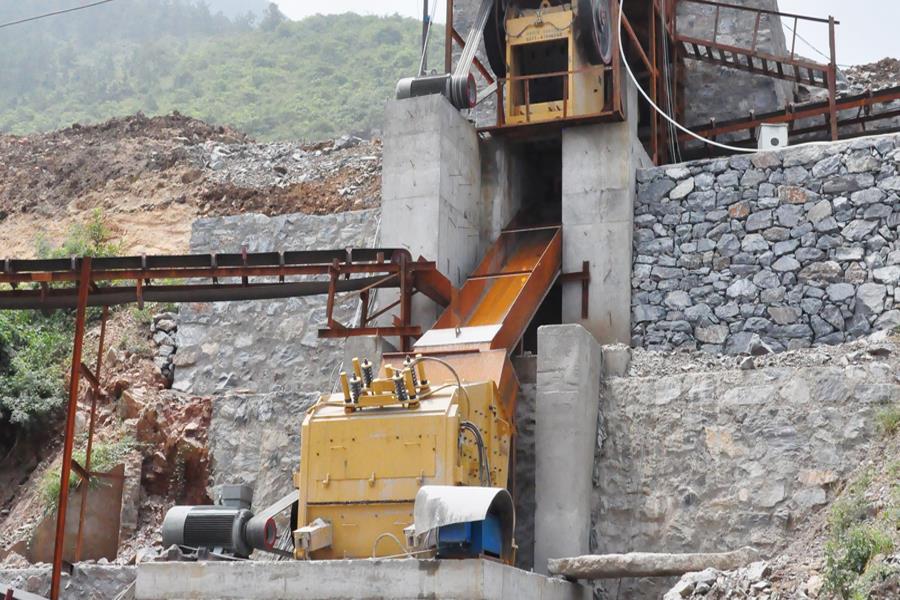
How to prevent dust from jaw crusher discharge in sensitive environment
Europe’s environmental regulations are among the strictest worldwide, with directives such as the Industrial Emissions Directive (IED) and local air quality standards placing tight limits on particulate matter emissions from quarrying and mining operations. For crushing plants located near residential areas, nature reserves, or urban peripheries, dust control is not just a good practice—it is a legal requirement. The discharge point of a jaw crusher is particularly vulnerable because crushed material falls with force, releasing fine particles that can become airborne. Operators across Germany, France, the UK, and Scandinavia consistently ask How to prevent dust from jaw crusher discharge in sensitive environment—and the answer lies in a combination of engineered equipment features, active suppression systems, and disciplined operating procedures. OCP Mechanical Company, with over 40 years of direct manufacturing experience, designs jaw crushers and complete systems that integrate effective dust mitigation from the ground up, helping European customers maintain compliance, protect worker health, and preserve their social licence to operate.
Why dust at the jaw crusher discharge demands special attention
The discharge zone is where crushed rock exits the crushing chamber and drops onto a conveyor or into a stockpile. The impact of falling material, combined with the high velocity of air displaced by the moving jaw, generates a plume of fine dust that can travel significant distances. In sensitive environments—such as a quarry bordering a village in the UK’s Peak District or a recycling site near Berlin’s greenbelt—even minor emissions can trigger complaints and regulatory fines. Beyond legal risks, dust reduces visibility, accelerates wear on nearby equipment, and poses respiratory hazards to operators. Therefore, when asking How to prevent dust from jaw crusher discharge in sensitive environment, you must consider multiple layers of protection. These include physical enclosures, water or foam suppression, dust extraction systems, and proper conveyor transfer design. OCP offers customised solutions that address each of these layers, ensuring that your jaw crusher operates efficiently while keeping emissions well below permitted levels.
Practical engineering solutions for effective dust containment
The most reliable approach combines passive and active measures. Passive measures include a fully enclosed discharge chute with rubber curtain seals at the inlet and outlet, which confine the dust cloud and reduce air movement. A properly designed skirtboard system at the conveyor transfer point further minimises spillage and dust escape. Active measures involve water spray or foam systems that wet the material as it leaves the crusher. For European sites, water usage may be restricted, so OCP recommends low-flow high-pressure nozzles that create a fine mist, using up to 70% less water than traditional sprays while achieving similar suppression. Additionally, a dust extraction hood connected to a baghouse or cyclone can capture fines directly from the discharge zone. This is particularly effective for indoor or semi-enclosed plants. OCP’s engineering team can integrate these components into a new jaw crusher package or retrofit them onto existing units. We also supply automated controls that activate spray systems only when the crusher is under load, conserving water and electricity. When you evaluate How to prevent dust from jaw crusher discharge in sensitive environment, remember that a combination of containment and suppression almost always outperforms a single-method approach. All technical parameters—nozzle flow rates, extraction fan capacities—are continuously improved; consult our online support for the latest specifications.
Operational practices that complement hardware
Even the best dust control equipment requires proper operation and maintenance to remain effective. Regular inspections of curtain seals and skirtboards ensure that no gaps allow dust to escape. Spray nozzles should be cleaned weekly to prevent clogging from water hardness or sediment. For sites in sensitive European locations, OCP recommends scheduling crushing during periods of lower wind or higher humidity, which naturally reduces dust dispersion. Furthermore, training your loader operator to maintain a consistent feed rate helps avoid surges that generate excessive dust. We also advise using a dust-suppression additive—environmentally friendly surfactants that reduce water surface tension and improve wetting—which can cut dust generation by an additional 40% without altering the material’s properties. These operational best practices are detailed in our comprehensive manual, and our 24-hour online service team can offer tailored advice for your specific site conditions. By combining disciplined operations with our robust equipment, you will find that How to prevent dust from jaw crusher discharge in sensitive environment becomes a manageable challenge rather than an ongoing headache.
Choosing equipment designed with European sensitivity in mind
OCP Mechanical Company has supplied crushing solutions to numerous European projects, and we understand the importance of CE marking, noise limits, and emission standards. Our jaw crushers feature welded steel frames with reinforced discharge zones, and we offer optional dust encapsulation kits that bolt directly onto the crusher frame without hindering maintenance access. The kits include transparent polycarbonate viewing windows, so your operators can monitor material flow without opening the enclosure. For extra protection, we can install a negative-pressure air system that draws dust from the discharge area into a filtration unit, meeting even the most stringent local air quality targets. Because we are a direct manufacturer, we can customise these features at a fraction of what other suppliers charge, making compliance affordable for medium-sized operators. Moreover, we provide a full lifecycle cost analysis that compares different dust control strategies, helping you choose the most cost-effective option for your throughput and sensitivity level. All price information provided here is for reference only; final quotes depend on your specific configuration and site requirements.
Partner with OCP for dust-controlled crushing in Europe
Implementing effective dust control at the jaw crusher discharge is a multi-faceted task, but you do not have to tackle it alone. OCP Mechanical Company offers free consultation on dust suppression design, equipment selection, and retrofitting plans. Our 24-hour online customer service team is always available to answer questions about How to prevent dust from jaw crusher discharge in sensitive environment—whether you need a quick nozzle adjustment tip or a complete system redesign. To get started, simply click the chat button on our website or fill out the enquiry form. Our engineers will review your site layout, material type, and local regulations, then propose a tailored solution with a clear cost breakdown. We also offer on-site training for your crew, ensuring they understand how to operate and maintain the dust control features effectively. All quoted parameters are subject to final confirmation with our sales team, and we encourage you to reach out for the latest factory-direct pricing. With OCP, you gain a partner committed to keeping your operation clean, compliant, and productive—even in Europe’s most sensitive environments. Contact us today and crush with confidence.
-
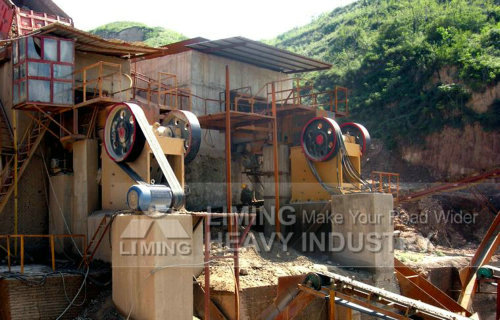
Price of sand screw washer for sea sand 55 tph in Bangladesh
-
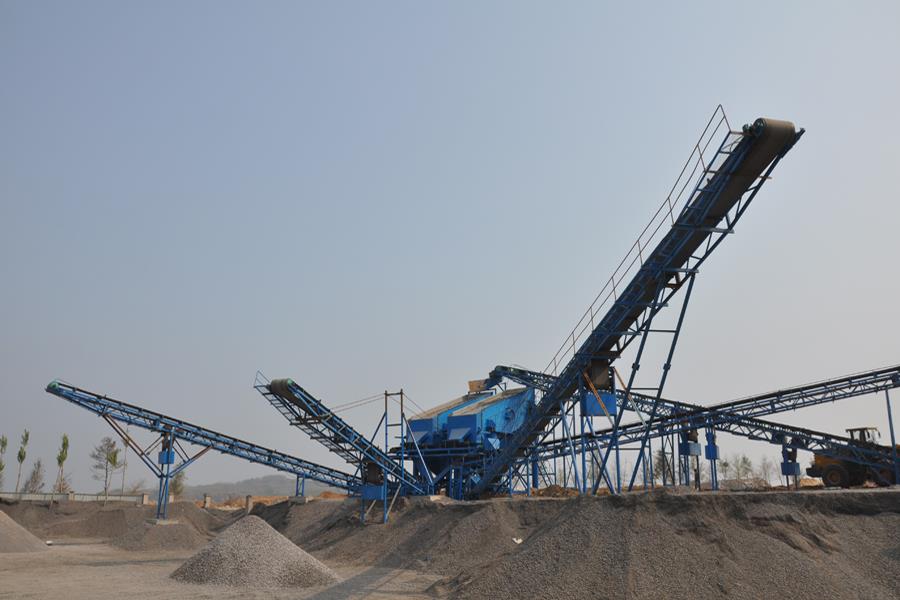
Purchase a mobile impact crusher for concrete waste 80 tph in Poland
-
-
How to change concave on a cone crusher safely with lifting tool
-
Get quotation for vibrating screen for iron ore 300 tph in Carajas Brazil