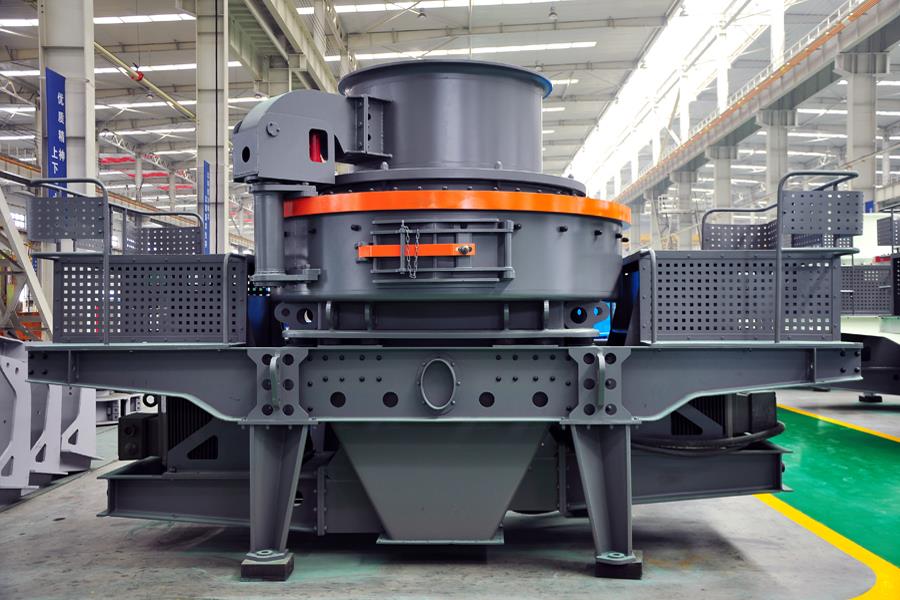
How to select a cone crusher cavity for fine crushing of barite 78 tph
For barite processing in Morocco – one of the world’s largest barite producers with major deposits in the Midelt, Nador, and Zagora regions – fine crushing is a critical step to achieve the particle size required for oil drilling, paint, and chemical industries. Barite is soft to medium‑hard (Mohs 3‑3.5) but has a high specific gravity (4.2‑4.5) and can be abrasive when associated with quartz or other hard gangue. Selecting the right cone crusher cavity directly affects product shape, throughput, and liner wear. Knowing how to select a cone crusher cavity for fine crushing of barite 78 tph helps you optimize your grinding circuit and reduce cost per ton. OCP Mechanical Company, a factory‑direct manufacturer with over 40 years of experience, supplies Type C cone crushers with multiple cavity profiles for industrial minerals, backed by 24/7 online support.
Note: Product data are constantly updated; the latest specifications should be confirmed with our online customer service.
Why cavity selection matters for barite fine crushing
Barite’s high density means a given volume of material weighs significantly more than most rocks. This increases the crushing force on liners. A cavity that is too fine may cause packing and over‑grinding; a cavity that is too coarse produces a product that requires more grinding energy downstream. For fine crushing of barite (target product P80 of 2‑6 mm or 6‑12 mm), a short‑head fine cavity is a widely used choice. It features a long parallel zone and a steep crushing angle, which promote particle inter‑compression and produce a more cubical product with less flakiness. Many barite mills in the Midelt and Nador regions have successfully used short‑head fine cavities for tertiary crushing.
Fine cavity vs. extra fine cavity – when to use each
When you select a cone crusher cavity for fine crushing of barite, you typically choose between a fine cavity and an extra fine cavity.
Fine cavity – Suitable for barite with feed size of 20‑50 mm, producing a P80 of 6‑12 mm. The parallel zone length is moderate, allowing good reduction without excessive fines generation. This cavity is widely used for preparation of barite for Raymond roller mills or jig concentrators.
Extra fine cavity – Designed for feed size of 10‑25 mm, producing a P80 of 2‑6 mm. The longer parallel zone creates more particle‑on‑particle compression, ideal for barite requiring very fine feed for micronizing mills. However, extra fine cavities are more sensitive to moisture and tramp metal; they work best with dry, clean barite.
If your barite contains hard impurities like quartz or chert, avoid the extra fine cavity – it will accelerate liner wear and may cause packing. Instead, use a fine cavity and adjust CSS to achieve the desired product size. For pure barite with low abrasion, an extra fine cavity can be a cost‑effective choice.
How CSS and cavity interact for barite
The closed side setting (CSS) works together with the cavity profile. For a fine cavity, typical CSS ranges are 4‑8 mm for extra fine and 6‑12 mm for fine crushing. When you select a cone crusher cavity for fine crushing of barite, start with a CSS of 8 mm for fine cavity, or 5 mm for extra fine cavity. Monitor product size and adjust. A CSS that is too tight will increase liner wear exponentially – for barite, a 1 mm reduction below the recommended minimum can shorten liner life by 30‑40%. Always use a choke‑fed condition to ensure even wear and optimal particle shape.
All performance and price information in this article is for reference only; contact our team for a current, site‑specific quote.
Liner alloy selection for barite
Barite itself is not highly abrasive, but associated minerals (quartz, chert) can be. When you select a cone crusher cavity for fine crushing of barite, also consider the liner alloy. For pure barite with low quartz content, Mn14% liners are sufficient and cost‑effective. They can last 1,500‑2,500 hours. For barite with 5‑15% quartz, Mn18%+Cr extends life by 30‑50% (2,000‑3,500 hours). For barite from deposits with high silica content (e.g., some Moroccan deposits), Mn22% is recommended. OCP’s engineers can test your barite sample and recommend the optimal alloy.
How to get the right cavity for your barite operation
To correctly select a cone crusher cavity for fine crushing of barite, provide OCP’s engineers with your feed size distribution, target product size, barite purity, and quartz content. We will recommend the optimal cavity (fine or extra fine), CSS range, and liner alloy. For most Moroccan barite processors, a fine cavity with Mn18%+Cr liners offers the best balance of product quality and wear life. OCP provides free throughput simulation and a detailed quotation with line drawings. We also offer remote commissioning and operator training via video call.
Why OCP is your trusted cone crusher supplier for barite in Morocco
Choosing the right cavity for fine crushing of barite is a key step to improving your grinding efficiency. OCP Mechanical Company has four decades of experience in cone crusher technology for industrial minerals. Our 24/7 online team helps with cavity selection, CSS tuning, and liner change procedures. We keep common cone liners and wear parts in our regional warehouse for fast delivery to Morocco. We invite you to request a no‑obligation quote and experience factory‑direct pricing.
For a no‑obligation consultation on how to select a cone crusher cavity for fine crushing of barite 78 tph, simply click the live chat icon on this page. Our online customer service team is available 24 hours a day, 7 days a week, to provide free price quotes, equipment recommendations, and installation advice – helping you crush barite more efficiently and profitably.
-
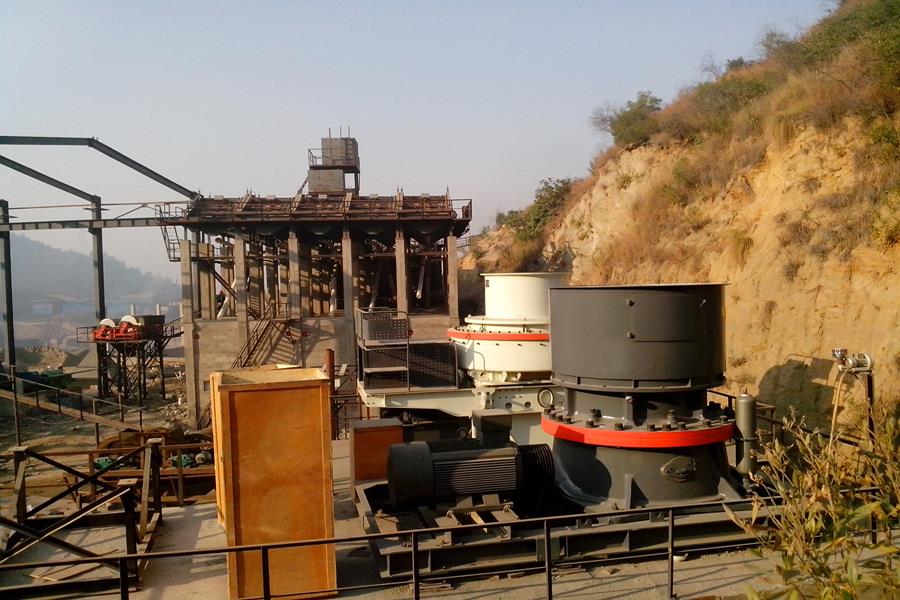
Factory direct price of impact crusher for dolomite 198 tph in Mexico
-
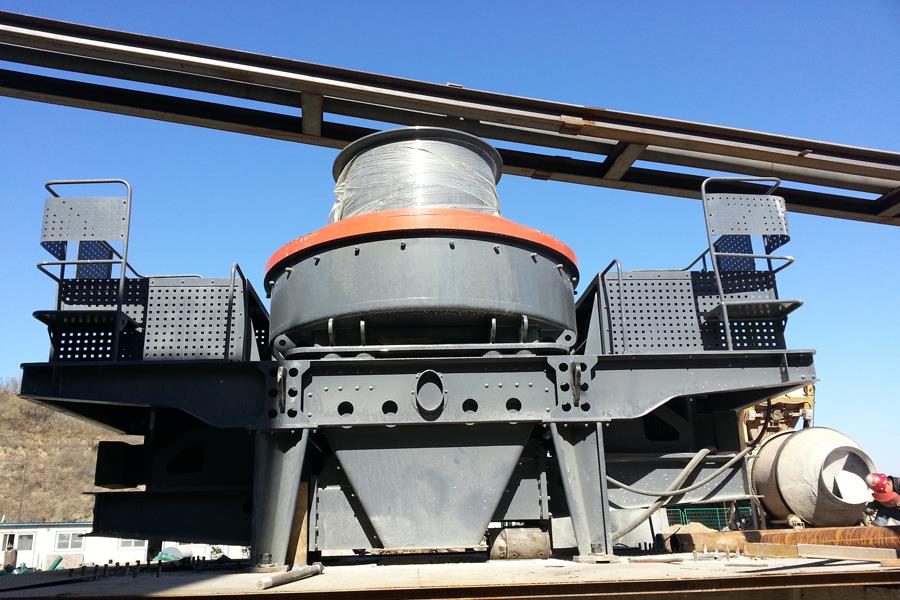
Quote for complete crushing line for andesite 258 tph in Chile
-
-
How to prevent dust from jaw crusher discharge in urban quarry
-