
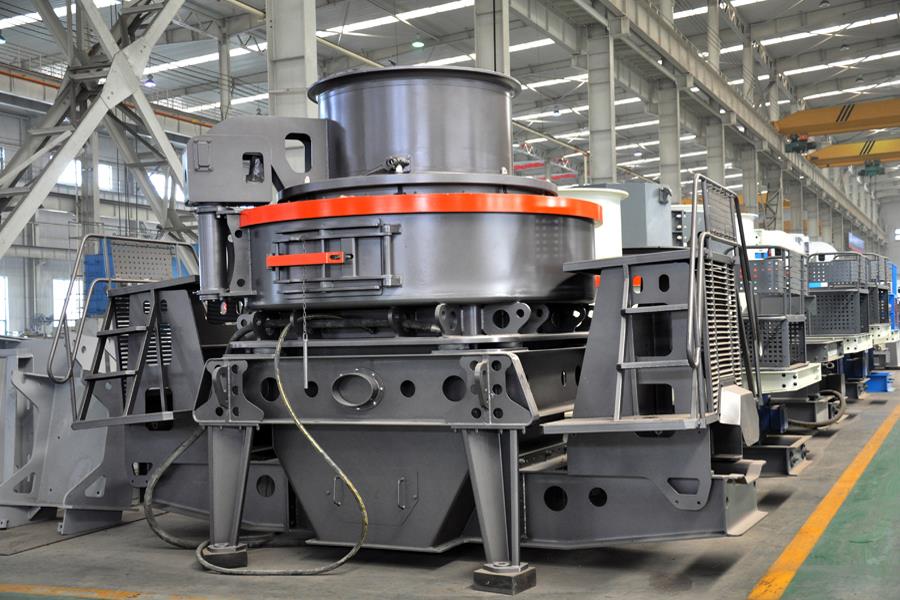
How to prevent dust from jaw crusher discharge in urban quarry
For quarry operators located near residential or commercial areas worldwide, dust from the jaw crusher discharge is one of the most visible and regulated sources of fugitive emissions. Uncontrolled dust not only creates an unhealthy work environment but also risks regulatory fines, equipment damage, and community complaints. Knowing how to prevent dust from jaw crusher discharge in urban quarry helps you maintain compliance, protect workers, and improve plant efficiency. OCP Mechanical Company, a factory‑direct manufacturer with over 40 years of experience, supplies dust control solutions for Type J jaw crushers, backed by 24/7 online support.
Note: Product data are constantly updated; the latest specifications should be confirmed with our online customer service.
Identify the root causes of dust at the crusher discharge
Dust is generated when crushed rock falls from the jaw crusher discharge opening onto the conveyor or into a chute. The main causes are:
Drop height – The greater the distance material falls, the more air is displaced, carrying fine dust particles.
Material fines content – Crusher discharge naturally contains a high percentage of fines (0‑5 mm), which are easily entrained.
Air movement – Wind or pressure differentials around the crusher can carry dust away.
Lack of sealing – Gaps between the crusher discharge flange and the chute allow dust to escape.
Effective dust prevention targets these root causes rather than just suppressing visible dust after it has become airborne.
Enclose the discharge area and use skirting
The first line of defense in how to prevent dust from jaw crusher discharge in urban quarry is physical containment. Install a rubber skirt or seal between the crusher discharge flange and the feed chute of the conveyor. Use heavy‑duty rubber strips (10‑15 mm thick) that overlap the conveyor belt. Enclose the entire discharge zone with steel panels or heavy‑duty plastic curtains. Ensure the enclosure has a small opening only for material flow. Many urban quarries have reduced visible dust by 70‑80% simply by adding proper sealing at the transfer point.
Install a water spray system
A well‑designed water spray system is highly effective for dust control. Place a manifold with fine‑spray nozzles (0.5‑1.5 mm orifice) directly above the crusher discharge point. Use low pressure (1‑2 bar) to create a mist rather than a jet. The water should wet the surface of the material without saturating it. Add water at a rate of 2‑5 litres per ton of crushed material. For dry, friable rock, this can reduce dust by 80‑90%. Ensure nozzles are positioned to cover the entire discharge stream. For quarries in cold climates, use heated water or add anti‑freeze agents to prevent freezing.
All price information in this article is for reference only; contact our team for a current, site‑specific quote.
Use a dry dust collector (bag filter)
For operations where water is restricted or where product moisture must be kept minimal, a dry dust collection system (bag filter) is a practical alternative. Install a hood over the crusher discharge and conveyor head chute, connected to a dust collector via ductwork. The collector draws air at 1,000‑2,500 m³/h (depending on crusher size) and captures fines on filter bags. Periodically pulse the bags to drop dust into a hopper. Collected dust can be added back to the product (if acceptable) or disposed of. Dry systems are widely used in arid regions and for products that cannot tolerate added moisture. In urban quarries, bag filters are often required to meet strict particulate emission limits.
Optimize material flow and drop height
A simple but often overlooked method in how to prevent dust from jaw crusher discharge in urban quarry is to reduce the drop height. Design the discharge chute so that material lands on a dead bed (a pile of already‑deposited material) or on a rock box. A dead bed cushions the impact and reduces dust generation. If the conveyor must be positioned at a certain level, install a stepped chute or a set of angled plates to break the fall. Reducing drop height from 2 metres to 0.5 metres can cut dust by 40‑50%.
Seal the crusher discharge flange
Gaps around the crusher discharge flange allow dust to escape even before material reaches the chute. Install a rubber gasket or silicone seal between the crusher body and the discharge chute. Use bolts with compression plates to ensure an airtight fit. For older crushers with irregular flanges, use flexible rubber or neoprene sealing strips. This simple fix costs very little and can be done during scheduled maintenance.
Operational practices to reduce dust
Maintain a choke‑fed condition – A full crushing chamber reduces air movement inside the crusher, which in turn reduces dust puffing at the discharge.
Water the feed – Lightly wetting the material before it enters the crusher reduces dust at both the feed and discharge points.
Clean up spillage – Accumulated fines around the discharge area can become airborne when disturbed by wind or equipment.
Train operators – Make them aware of dust issues and encourage reporting of gaps or seal damage.
Why OCP is your partner for dust control at jaw crusher discharge in urban quarries
Mastering how to prevent dust from jaw crusher discharge in urban quarry protects your workforce, your neighbours, and your license to operate. OCP Mechanical Company has four decades of experience in crushing equipment and dust suppression systems. Our 24/7 online team helps with chute design, spray system sizing, and seal selection. We invite you to request a no‑obligation dust control assessment.
For a no‑obligation consultation on how to prevent dust from jaw crusher discharge in urban quarry, simply click the live chat icon on this page. Our online customer service team is available 24 hours a day, 7 days a week, to provide free technical advice, equipment recommendations, and installation support – helping you crush cleaner and more responsibly.
-
-
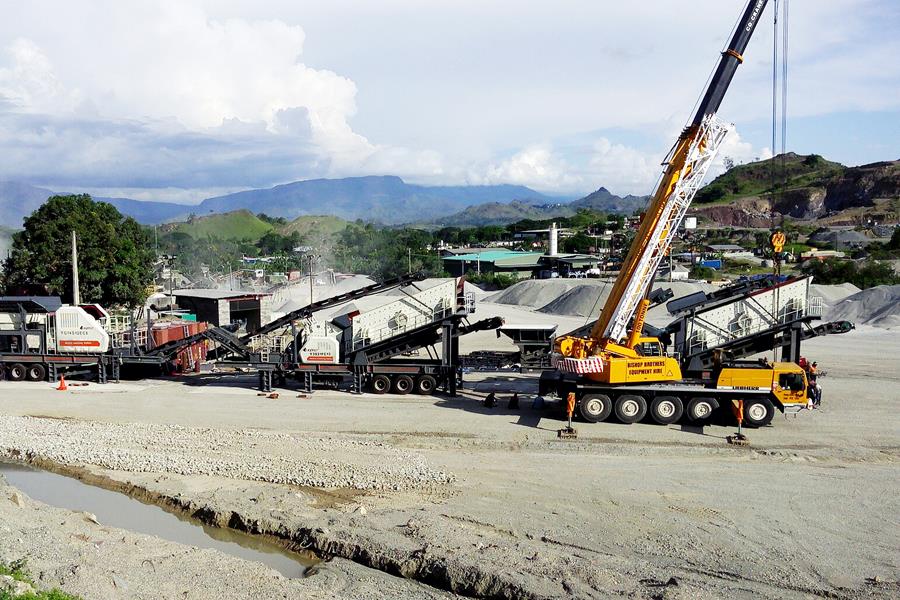
Purchase a mobile impact crusher for concrete waste 98 tph in France
-
-
How to change concave on a cone crusher safely with hydraulic tools
-
Get quotation for vibrating screen for iron ore 358 tph in Venezuela