
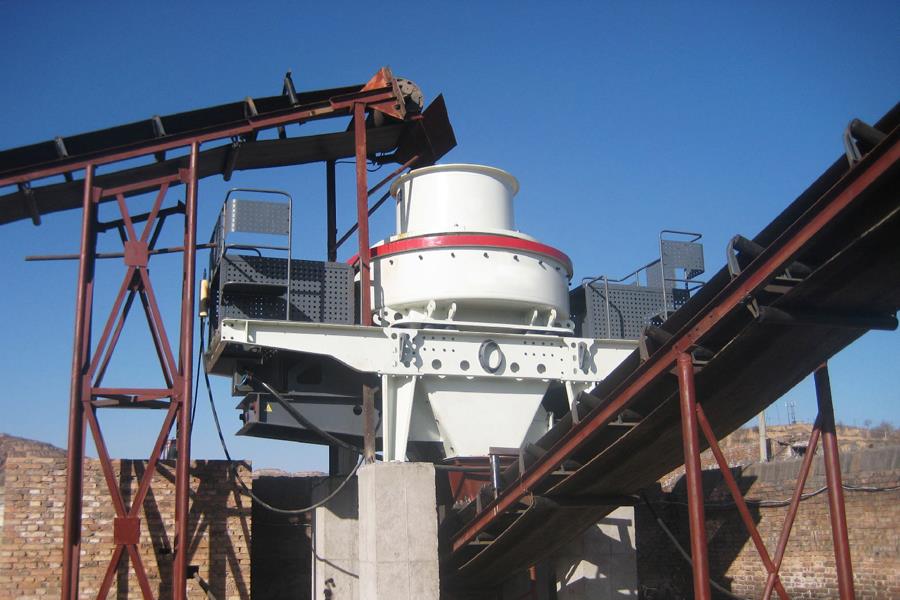
How to reduce wear on cone crusher concave for hornblende 80 tph
For mining and quarry operations in Peru processing hornblende – a hard, dark silicate mineral common in the Andes, often associated with andesite and diorite – a 80 tph cone crusher is a key asset for secondary or tertiary crushing. Hornblende has a hardness of 5‑6 Mohs and can be highly abrasive due to its prismatic, needle‑like crystal structure and association with quartz. The concave (bowl liner) experiences accelerated wear on the lower parallel zone, leading to frequent liner changes and increased downtime. Knowing how to reduce wear on cone crusher concave for hornblende 80 tph helps you extend liner life, lower cost per ton, and improve plant availability. OCP Mechanical Company, a factory‑direct manufacturer with over 40 years of experience, supplies Type C cone crushers and wear parts designed for abrasive hard rock, backed by 24/7 online support.
Note: Product data are constantly updated; the latest specifications should be confirmed with our online customer service.
Choose the right concave alloy for hornblende
The most effective method to reduce wear on cone crusher concave for hornblende 80 tph is selecting the optimal manganese alloy. Standard Mn14% liners wear rapidly in hornblende, often lasting only 800‑1,200 hours. Upgrading to Mn18%+Cr (18% manganese with 2% chromium) extends wear life by 30‑50%, typically reaching 1,200‑1,800 hours. For hornblende with very high quartz content (common in Peruvian hard rock), Mn22% can achieve 1,500‑2,500 hours. Many Peruvian copper and gold operations have reduced annual concave costs by 25‑35% after switching from Mn14% to Mn18%+Cr. OCP’s engineers can perform a simple abrasion test on your ore sample to recommend the optimal alloy.
All price information in this article is for reference only; contact our team for a current, site‑specific quote.
Optimize CSS and maintain choke‑fed condition
Another critical factor to reduce wear on cone crusher concave for hornblende 80 tph is the closed side setting (CSS) and operating condition. A tighter CSS increases wear exponentially. For hornblende, a tertiary CSS of 8‑12 mm is common. Widening the CSS by 2‑4 mm (e.g., from 8 mm to 12 mm) can reduce liner wear by 20‑30% while still meeting product size requirements for downstream mills. Also, maintain a choke‑fed condition – a full crushing chamber distributes wear evenly across the concave, preventing localized grooving. Use a level sensor and automated feeder to keep the chamber 75‑85% full. Removing fines (<80% of CSS) before the cone crusher using a vibrating screen reduces abrasive wear on the lower parallel zone by 15‑20%.
Protect the crusher from tramp metal and oversize
Tramp metal (drill bits, blasting debris) and oversize feed (>1.2x the feed opening) are major causes of sudden concave damage. Install a metal detector and magnetic separator ahead of the cone crusher. In Peruvian hard rock mines, tramp metal is common. Even a single piece of steel can gouge the concave, requiring premature replacement. Use a scalping screen to remove oversize (>70‑80 mm) before the crusher. Many Peruvian operations have reduced unexpected concave failures by 70% after adding these protection devices.
Monitor and rotate liners proactively
To maximize wear life, measure concave wear profile every 200 hours using a profile gauge. Focus on the lower parallel zone. When the wear reaches 50‑60% of original thickness, schedule a liner change. Do not wait for complete wear – uneven wear accelerates damage to the mantle and can lead to main frame issues. If your concave design allows rotation (some bowl liners can be indexed), rotate it 90 or 180 degrees to use less‑worn areas. This practice can add 10‑15% more life. Keep a spare concave and mantle on site to avoid emergency downtime. OCP stocks common profiles for Type C crushers in our Lima warehouse for fast delivery across Peru.
Operational practices to extend concave life
Feed gradation control – Remove fines (<4‑6 mm) before the cone crusher. Fines cause abrasive wear without effective crushing.
Avoid over‑tightening CSS – For hornblende, running at the minimum CSS (e.g., 6 mm) instead of 10 mm increases wear by 30‑40%.
Use a VFD to adjust eccentric speed – Lower speed (650‑750 rpm) reduces wear but may reduce capacity; find the optimal balance.
Keep a log of concave hours and tons processed – Predict replacement intervals within ±100 hours.
OCP provides remote guidance for wear monitoring and liner change procedures. Our 24/7 online team can help you implement these practices.
Why OCP is your partner for cone crusher concave wear reduction in Peru
Understanding how to reduce wear on cone crusher concave for hornblende 80 tph is essential for keeping your processing costs low. OCP Mechanical Company has four decades of experience in hard rock crushing for the Peruvian mining industry. Our 24/7 online team helps with alloy selection, CSS optimization, and maintenance planning. We invite you to request a no‑obligation quote and experience factory‑direct pricing.
For a no‑obligation consultation on how to reduce wear on cone crusher concave for hornblende 80 tph, simply click the live chat icon on this page. Our online customer service team is available 24 hours a day, 7 days a week, to provide free technical advice, alloy recommendations, and spare parts pricing – helping you extend concave life and lower cost per ton.
-
Get quote for sand screw classifier for waste foundry sand 35 tph in Ohio USA
-
Mobile crushing station 160 tph for river pebble in Mekong Vietnam
-
-
Price list of jaw plates for diorite quarry in Luzon Philippines
-
How to set CSS on a cone crusher for tantalite 45 tph in Rwanda