
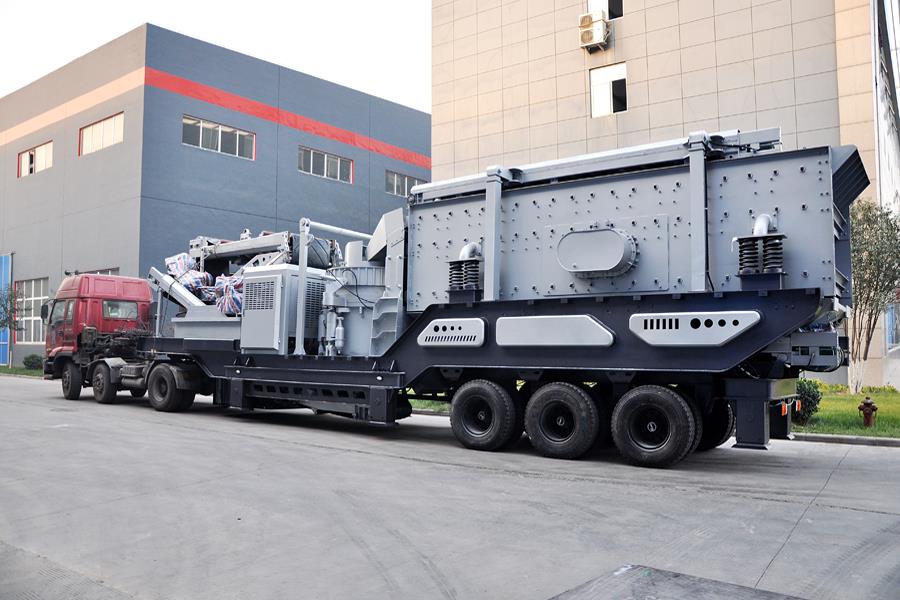
How to Reduce Energy of VSI for Basalt 170 TPH in Brazil
The Energy Challenge in Brazilian Basalt Processing
Brazil's construction and infrastructure sectors rely heavily on basalt—one of the hardest and most abrasive rocks in the world. Producing high-quality manufactured sand and cubical aggregates from basalt requires significant energy input, and the VSI crusher typically accounts for a substantial portion of the circuit's total power consumption. For operators targeting 170 tonnes per hour, understanding how to reduce energy of VSI for basalt 170 TPH in Brazil directly impacts operating costs and overall profitability. With electricity prices varying across Brazilian regions and carbon emissions increasingly on the regulatory radar, energy efficiency has become a competitive differentiator for quarry operators from Minas Gerais to the Northeast.
Why VSI Crushers Consume Significant Power
VSI crushers use high-speed rotors to accelerate and throw material against stationary anvils, generating the intense rock-on-rock impacts that create premium cubical products. This process requires considerable energy—typically between 1.5 and 2.2 kWh per tonne for basalt processing, depending on rotor speed and feed characteristics. However, as with all crushing equipment, there is significant room for efficiency improvement. Operators who master how to reduce energy of VSI for basalt 170 TPH in Brazil often see their power consumption drop by 15–25% without compromising product quality.
Optimise Rotor Speed for Energy Savings
Rotor tip speed directly influences energy consumption and product shape. Higher speeds produce sharper cubicity and higher fines content but demand more power. For Brazilian basalt, a tip speed of 55–65 m/s is generally the sweet spot—fast enough to achieve good particle shape, yet low enough to save energy compared to 70–75 m/s operation. Testing on your specific basalt feed can help you identify the lowest speed that meets product specifications. This fundamental adjustment is the starting point in how to reduce energy of VSI for basalt 170 TPH in Brazil.
Feed Control: Size Matters
Feed particle size significantly affects the energy required per tonne. Oversize feed forces the rotor to work harder, increasing power draw and accelerating wear. Conversely, feeding material that is too fine may lead to excessive compaction within the rotor. The optimal feed for a VSI in basalt applications is typically 10–30 mm, with a maximum top size of 40–50 mm. Proper screening ahead of the VSI ensures consistent feed sizing, which helps operators achieve how to reduce energy of VSI for basalt 170 TPH in Brazil by allowing the crusher to operate at its most efficient point.
(All feed size and speed recommendations are estimates—actual results depend on feed characteristics and product targets.)
Material Flow and Rotor Distribution
Uneven feed distribution causes the rotor to operate with imbalance, increasing power consumption and accelerating wear on specific areas. Ensuring that material enters the rotor evenly—using a properly designed feed hopper, adjustable deflectors, or a feed tube with flow-splitting capabilities—reduces vibration and maintains steady energy draw. Operators in Brazil's larger basalt plants have achieved significant savings through improved feed distribution alone. This often-overlooked factor is a practical element of how to reduce energy of VSI for basalt 170 TPH in Brazil.
Leverage Automation and Monitoring Systems
Modern VSI crushers feature intelligent control systems that adjust rotor speed and feed rate based on real-time power draw. These systems maintain the crusher at its most efficient operating point, preventing both underutilisation and overloading. Additionally, monitoring vibration, bearing temperature, and motor load provides early warning of developing issues that could increase energy consumption. Using these tools effectively is a modern approach to how to reduce energy of VSI for basalt 170 TPH in Brazil.
Wear Management and Energy Efficiency
Worn rotors, feed tubes, and anvils directly increase energy consumption because the crusher must work harder to achieve the same reduction. Worn components create uneven wear patterns and reduce the efficiency of the rock-on-rock crushing action. Regular inspection and timely replacement of wear parts maintain the crusher's energy efficiency. Planned maintenance, rather than reactive replacement, is a key component of how to reduce energy of VSI for basalt 170 TPH in Brazil.
Brazilian Climate and Operating Considerations
Brazil's tropical climate and seasonal variations affect energy consumption. High ambient temperatures reduce motor efficiency and can increase cooling requirements, while humidity affects feed flow and may promote material adhesion. Considering these factors during equipment selection and operating parameter adjustment supports sustainable energy management. Additionally, many Brazilian operations face power supply variability, making energy-efficient crushers particularly valuable. These conditions should inform your strategy for how to reduce energy of VSI for basalt 170 TPH in Brazil.
Why OCP Mechanical Company Is Your Reliable Partner
With over 40 years of manufacturing expertise, OCP Mechanical Company supplies VSI crushers, rotors, and complete processing plants to customers worldwide, including many operations across Brazil. Our VSI crushers are engineered for hard, abrasive ores like basalt, with robust rotors, energy-efficient drives, and advanced automation options. As a direct manufacturer, we offer competitive pricing, transparent quotations, and responsive after-sales support. Our team understands Brazilian basalt processing conditions—hard rock, tropical climate, and local power considerations—and can recommend configurations that support energy savings.
Practical Steps for Your Energy Reduction Program
To implement how to reduce energy of VSI for basalt 170 TPH in Brazil, take these actions: First, establish your current energy consumption baseline in kWh per tonne. Second, optimise rotor speed for your specific product requirement. Third, ensure consistent feed sizing through effective screening. Fourth, verify even feed distribution to the rotor. Fifth, implement condition monitoring tools. Sixth, schedule regular wear inspections and replacements. A systematic approach yields measurable energy savings within weeks.
Get Expert Support – 24/7 Availability
We invite you to take advantage of our free consultation service. Our application engineers are available 24 hours a day to discuss your VSI energy performance, review your site conditions, and recommend customised strategies for how to reduce energy of VSI for basalt 170 TPH in Brazil. Click the live chat button on our website to connect instantly with a knowledgeable representative, or submit your inquiry for a detailed response within 24 hours. We offer free energy assessments, rotor speed recommendations, and quotation services. Let us help you reduce power consumption while maintaining premium basalt products for Brazil's construction sector.
Technical specifications, performance data, and pricing are for reference only—latest information is available from our customer service team. OCP Mechanical Company continuously improves its products; specifications may change without notice. Actual outcomes depend on feed characteristics, operating conditions, and maintenance practices. Please confirm all details with our engineers before finalising any order.
-
-
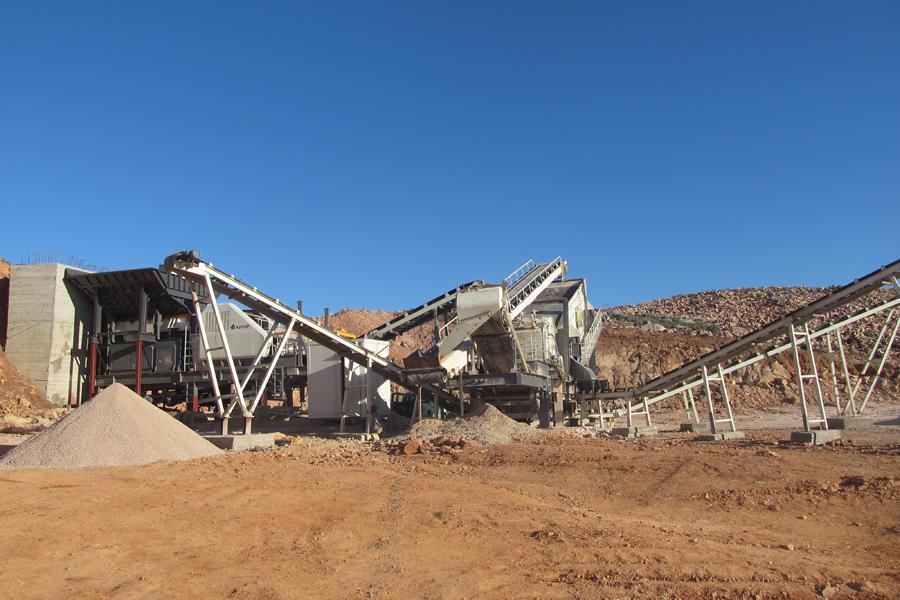
Factory Direct Sand Washing Machine for Manufactured Sand 55 TPH in Vietnam
-
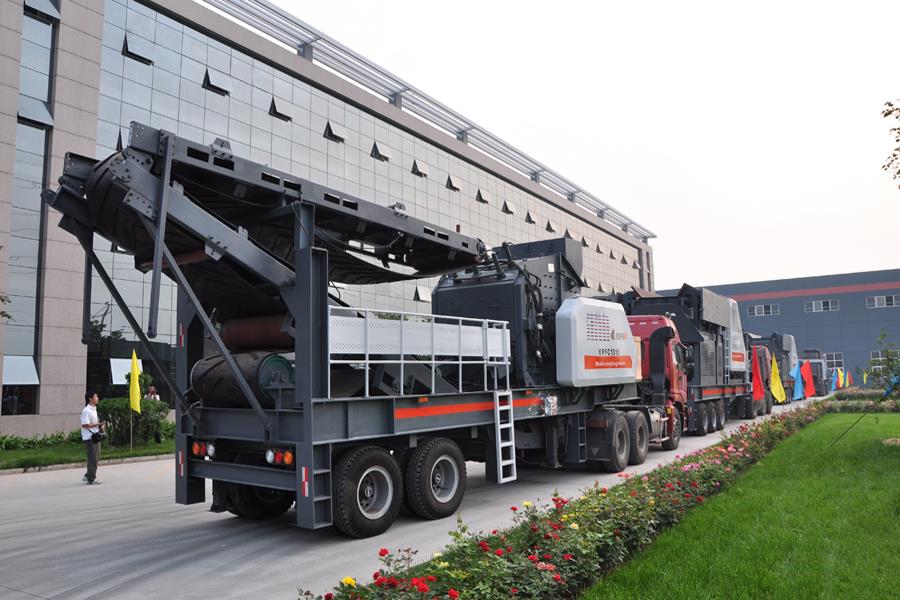
Which Cone Crusher Chamber for Manganese Ore 105 TPH in South Africa
-
Cost of Mobile Jaw Crusher 75 TPH for River Pebble in Philippines
-
How to Install a Grizzly Feeder for Iron Ore 220 TPH in Brazil