
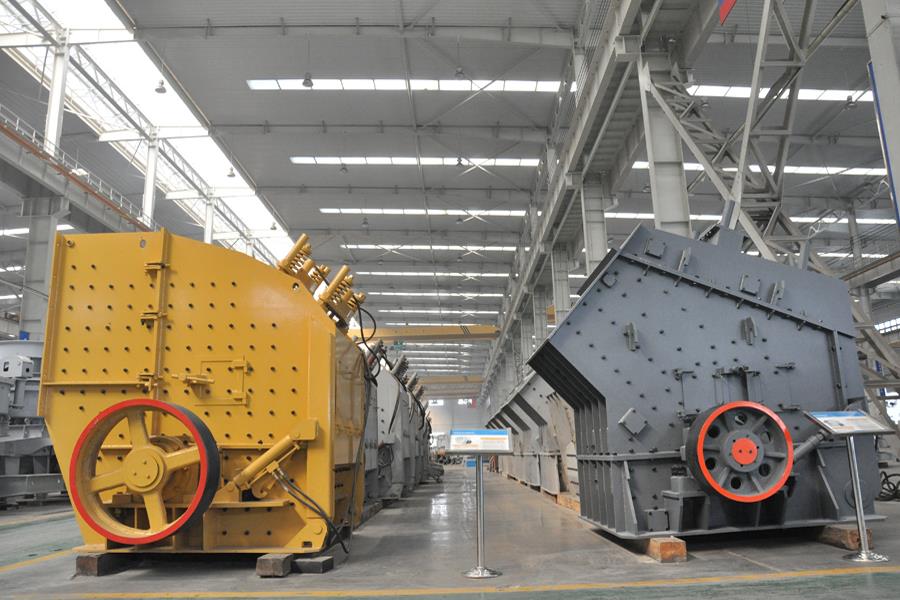
How to Install a Grizzly Feeder for Iron Ore 220 TPH in Brazil
The Foundation of Efficient Iron Ore Processing
Brazil stands as a global powerhouse in iron ore production, with massive operations in the Carajás region and throughout Minas Gerais. At the heart of every primary crushing circuit lies the grizzly feeder, responsible for regulating material flow and scalping fines before they reach the crusher. For operators targeting 220 tonnes per hour, understanding how to install a grizzly feeder for iron ore 220 TPH in Brazil is essential for achieving reliable production from day one. A properly installed feeder minimises downtime, protects downstream equipment, and ensures consistent plant performance.
Pre-Installation Planning and Site Preparation
Before any equipment arrives on site, thorough planning sets the stage for a smooth installation. Start by verifying the foundation design against the feeder's load specifications, including dynamic forces from operation and material impact. Confirm that anchor bolt locations and embedment depths match the manufacturer's drawings. Additionally, ensure the site is level, properly drained, and accessible for cranes and lifting equipment. Brazilian operations often face challenging terrain and seasonal rainfall, making these preparatory steps particularly important when considering how to install a grizzly feeder for iron ore 220 TPH in Brazil.
Foundation and Civil Works
The feeder's foundation must be robust enough to absorb the intense impact forces from large iron ore lumps dropping from dump trucks or loaders. A reinforced concrete slab, typically 300-500mm thick with appropriate rebar, forms the base. Anchor bolts must be precisely positioned using a steel template during the concrete pour. Allow adequate curing time—usually 7-14 days depending on ambient conditions—before proceeding with equipment placement. In Brazil's tropical climate, proper curing is essential to achieve the required concrete strength for your how to install a grizzly feeder for iron ore 220 TPH in Brazil project.
Equipment Unloading and Positioning
Carefully plan the unloading process, considering the feeder's weight—often exceeding 15-20 tonnes for a 220 TPH unit. Mobile cranes with appropriate capacity (typically 50-100 tonnes) are used to lift the feeder from the transport trailer and position it onto the foundation. Ensure lifting slings and shackles are rated for the load and that the crane's reach is adequate for the site layout. Brazilian mines often have constrained access, so prior site assessment is vital. This stage is a critical step in how to install a grizzly feeder for iron ore 220 TPH in Brazil and requires close coordination between the lifting team and installation supervisors.
Alignment and Levelling
Once positioned, the feeder must be precisely levelled and aligned to ensure proper tracking of the vibrating mechanism and uniform material flow. Use precision spirit levels and laser alignment tools to achieve the manufacturer's specified tolerances—typically within 1mm per metre. Shim plates are used to correct any deviations. Proper alignment prevents uneven wear on springs, bearings, and the grizzly bars themselves. This attention to detail is a fundamental part of how to install a grizzly feeder for iron ore 220 TPH in Brazil.
Mechanical Assembly and Tightening
After alignment, secure the feeder to the foundation bolts with the specified torque. Install the grizzly bars, ensuring they are correctly spaced and angled to achieve the desired scalping efficiency. Check that all structural bolts, particularly those on the vibrating mechanism and motor base, are tightened to the recommended values. Brazilian iron ore is highly abrasive, making secure assembly essential for long-term reliability. A systematic approach to assembly ensures success in how to install a grizzly feeder for iron ore 220 TPH in Brazil.
Electrical and Drive System Connection
Connect the motor and drive system, ensuring the electrical supply matches the motor specifications. Install and tension V-belts correctly—if applicable—and verify the rotation direction of the vibrating mechanism. Brazilian operations often have variable power quality, so consider installing surge protection and motor starters. Ensure all electrical connections are properly insulated against moisture and dust. This step completes the installation phase of how to install a grizzly feeder for iron ore 220 TPH in Brazil.
Pre-Commissioning Checks and Test Run
Before feeding material, conduct a thorough pre-commissioning inspection. Check all bolted connections, lubricate bearings, and verify oil levels. Run the feeder without material for 15-30 minutes to check for unusual noise, vibration, or overheating. Then begin feeding material gradually, monitoring flow and scalping efficiency. Record all parameters for future reference. A well-executed test run validates that how to install a grizzly feeder for iron ore 220 TPH in Brazil has been done correctly and that the system is ready for full production.
(Note: All commissioning and performance data are estimates—actual results depend on feed characteristics and operating conditions.)
Brazilian-Specific Considerations
Brazil's tropical climate and high humidity require attention to corrosion protection and electrical insulation. Additionally, iron ore's high density and abrasiveness demand durable components. Ensure that grizzly bars and wear plates are of appropriate material—often manganese steel or hardox—to withstand local ore conditions. Seasonal heavy rains may affect foundation stability and material handling, so drainage systems must be effective. These local factors are integral to how to install a grizzly feeder for iron ore 220 TPH in Brazil.
Why OCP Mechanical Company Is Your Reliable Partner
With over 40 years of manufacturing expertise, OCP Mechanical Company supplies grizzly feeders, jaw crushers, screens, and complete processing plants to customers worldwide, including many operations across Brazil. Our feeders are engineered for heavy-duty applications, with robust construction and durable wear parts. As a direct manufacturer, we offer competitive pricing, transparent quotations, and responsive after-sales support. Our team understands Brazil's unique mining conditions and can provide detailed installation guidance, drawings, and on-site support to ensure your feeder is installed correctly.
(All technical data and pricing are for reference only—latest information is available from our customer service team.)
Practical Steps for Your Installation Project
To ensure a successful installation, take these actions: First, review the manufacturer's installation manual thoroughly. Second, verify foundation design and anchor bolt locations before concrete pour. Third, arrange lifting equipment and skilled personnel for unloading. Fourth, conduct detailed alignment and levelling. Fifth, perform pre-commissioning checks and a test run. Sixth, document all installation steps for future reference. A systematic approach to how to install a grizzly feeder for iron ore 220 TPH in Brazil guarantees reliable operation.
Get Expert Guidance – 24/7 Availability
We invite you to take advantage of our free consultation service. Our application engineers are available 24 hours a day to discuss your iron ore feeding needs, review your site conditions, and provide detailed installation guidance. Click the live chat button on our website to connect instantly with a knowledgeable representative, or submit your inquiry for a response within 24 hours. We offer free foundation design reviews, installation checklists, and quotation services. Let us help you install your grizzly feeder correctly and start your iron ore processing on the right foundation.
Technical specifications, performance data, and pricing are for reference only—latest information is available from our customer service team. OCP Mechanical Company continuously improves its products; specifications may change without notice. Actual outcomes depend on feed characteristics, operating conditions, and maintenance practices. Please confirm all details with our engineers before finalising any order.
-
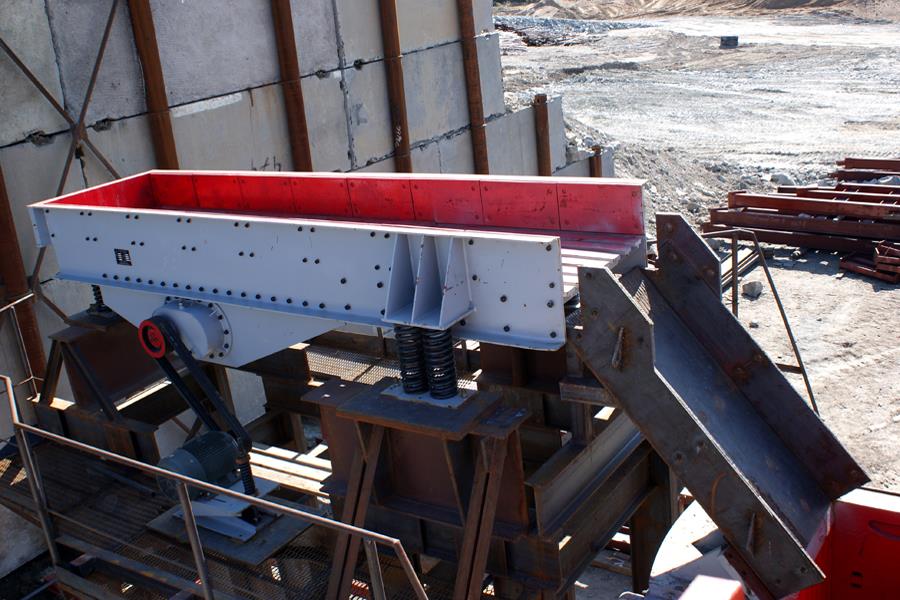
Purchase a Secondary Cone Crusher for Lead-Zinc Ore 90 TPH in Peru
-
-
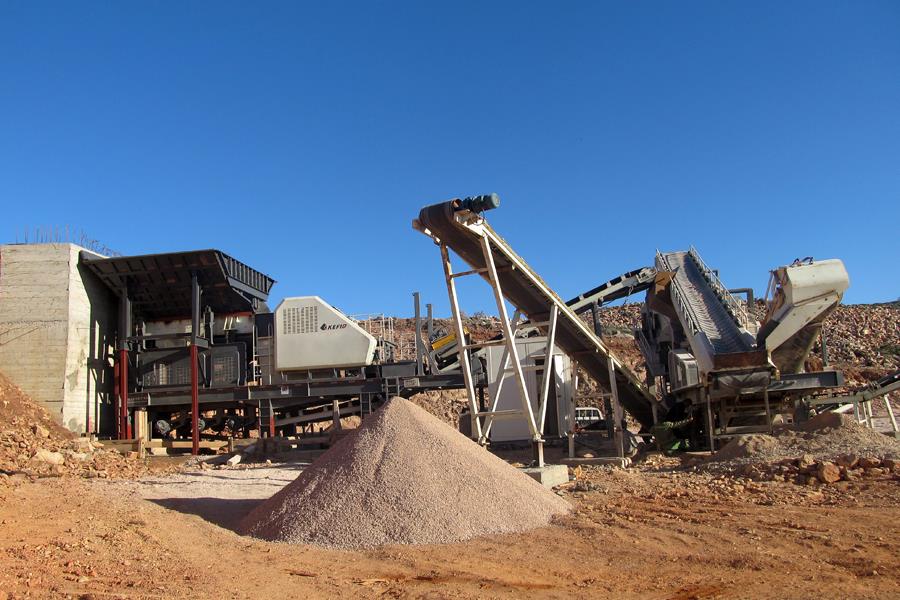
Tips to Increase Cone Crusher Throughput for Gold Ore 150 TPH in Ghana
-
Where to Buy a Used Impact Crusher for Dolomite 70 TPH in Mexico
-
How to Select a Vibrating Screen Deck for Wet Bauxite 180 TPH in Guinea