How to Monitor Crusher Wear Parts Without Stopping Production
For crushing operations in Canada and the United States, unplanned downtime due to worn wear parts can cost thousands of dollars per hour. Knowing how to monitor crusher wear parts without stopping production allows you to schedule liner changes during planned shutdowns, optimize part life, and avoid emergency repairs. OCP Mechanical Company’s Type J jaw crushers, Type C cone crushers, and Type V VSI are designed to integrate with modern monitoring systems. Below we share non‑intrusive methods that keep your plant running while tracking wear.
Use Power Draw and CSS Trends
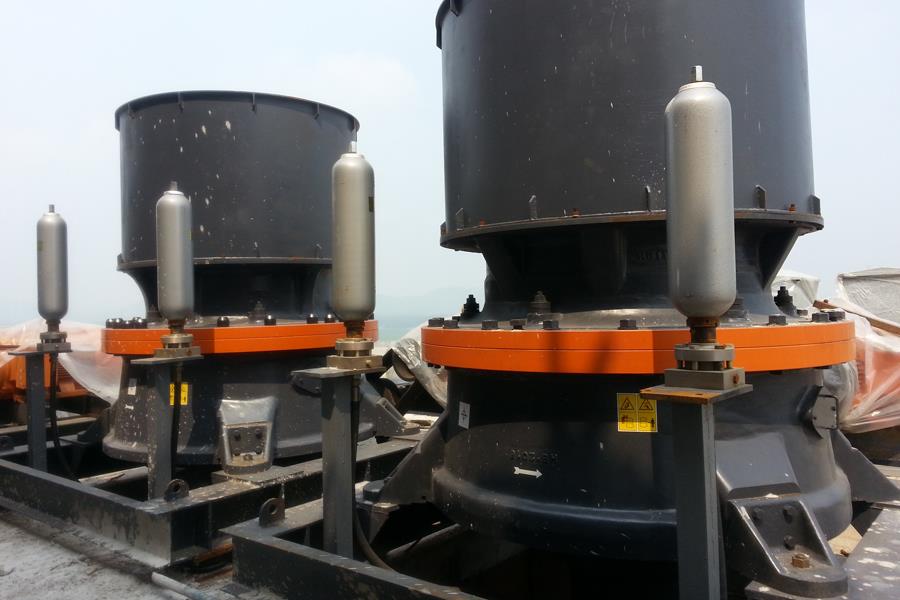
A practical approach to how to monitor crusher wear parts without stopping production is tracking crusher power draw and closed side setting (CSS) over time. As liners wear, the effective CSS increases, and the crusher draws less power for a given feed. For a cone crusher, a gradual drop in power (e.g., 10‑15%) over several hundred hours indicates that liners are thinning. Similarly, for a jaw crusher, a steady increase in CSS (measured by hydraulic pressure or laser) signals jaw plate wear. Many modern control systems log these values automatically, allowing you to monitor wear remotely.
Note: Product data are constantly updated; for the latest monitoring features, please contact our online customer service.
Operations in Ontario and Arizona have successfully used power draw trends to predict liner replacement within ±50 hours of optimal change time, reducing unexpected downtime.
Install Laser or Ultrasonic Sensors
Another method for how to monitor crusher wear parts without stopping production is installing non‑contact sensors. For a cone crusher, a laser distance sensor can be mounted outside the crusher bowl to measure the mantle position relative to a fixed reference. As the mantle wears, the position shifts. For a jaw crusher, ultrasonic sensors can detect the wear profile of the fixed and moving plates without opening the crusher. These sensors connect to the plant PLC and generate alerts when wear reaches a preset threshold.
OCP’s Type C cone crusher can be equipped with an optional laser wear monitoring system. Many miners in British Columbia have extended liner life by 10‑15% using this data to avoid over‑tightening CSS late in the liner cycle.
The above values are for illustration only. OCP continuously improves its products. Contact our online team for the most current data sheet.
Analyze Product Size and Recirculation
A third technique for how to monitor crusher wear parts without stopping production is analyzing the crusher’s output. As blow bars (impact crusher) or liners wear, the product becomes coarser or the recirculating load increases. Take a daily grab sample from the crusher discharge and run a quick sieve analysis. If the percentage of oversize (e.g., +25 mm) has increased by 5‑10% compared to baseline, wear parts are likely near the end of life. For a cone crusher in closed circuit, rising recirculating load (monitored by belt scale) is a clear indicator of liner wear.
OCP’s remote support team can help you set up simple trend charts for product size and recirculation. Many US aggregate producers have avoided premature liner changes by using product sampling to confirm wear predictions.
As a direct‑selling manufacturer, OCP supplies wear parts for all crusher types with factory‑direct pricing. We offer predictive maintenance software integration as an option.
Why OCP Is Your Partner for Smart Monitoring
Understanding how to monitor crusher wear parts without stopping production helps you maximize liner life and avoid costly stops. OCP Mechanical Company has over 40 years of history in crusher technology. We offer:
Free pre‑sale consultation on sensor selection and PLC integration.
Factory‑direct wear parts with guaranteed fit and performance.
24/7 online technical support for system setup and data interpretation.
For a no‑obligation consultation and personalized advice on how to monitor crusher wear parts without stopping production for your plant, simply click the live chat icon on this page. Our online customer service team is available 24 hours a day, 7 days a week, to answer your technical questions, provide free recommendations, and help you implement a cost‑effective wear monitoring program.