Troubleshooting Low Output from VSI Sand Maker
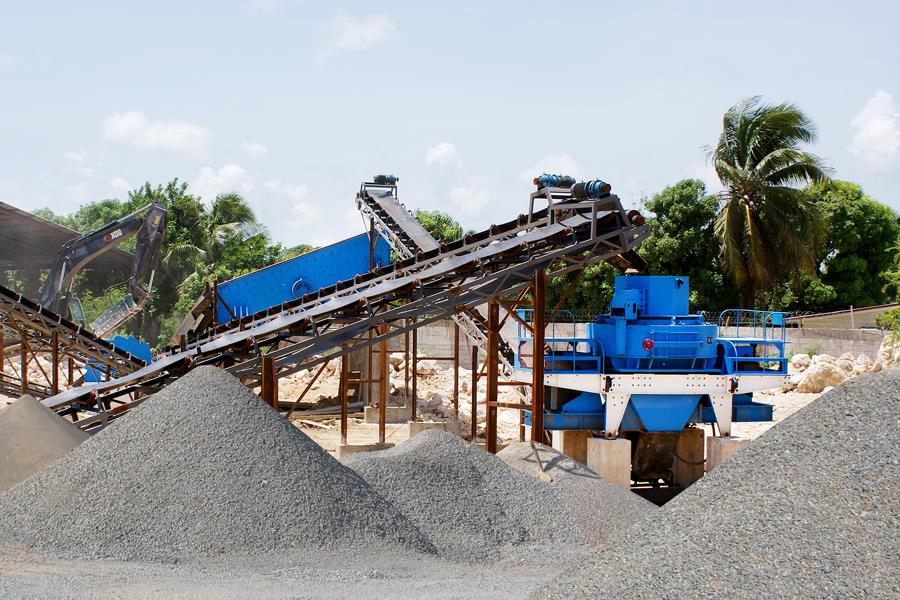
For sand producers in Brazil and South Africa, a sudden drop in output from a VSI sand maker (Type V) can hurt profitability and delay deliveries. When you face low production, systematic troubleshooting low output from VSI sand maker helps you identify the root cause quickly – whether it is worn tips, incorrect rotor speed, feed issues, or screen blinding. Below we list common causes and practical fixes, based on OCP Mechanical Company’s 40 years of experience.
1. Worn Rotor Tips or Feed Tube
The most frequent reason for troubleshooting low output from VSI sand maker is worn tungsten carbide tips. As tips wear beyond 50‑60% of their original profile, the rotor loses throwing efficiency, reducing throughput. Check tip wear every 40‑50 hours. If the tips are rounded or have lost height, replace or rotate them (if reversible). Also inspect the feed tube – a worn or misaligned tube causes uneven material distribution, lowering output by 20‑30%.
Note: Product data are constantly updated; for the latest specifications of Type V rotor components, please contact our online customer service.
Many sand plants in Minas Gerais and Gauteng have restored full capacity simply by replacing worn tips and the feed tube.
2. Incorrect Rotor Speed or VFD Setting
Another critical step in troubleshooting low output from VSI sand maker is checking rotor speed. Running too slow (e.g., 1,200 rpm instead of the recommended 1,500‑1,700 rpm for hard rock) reduces impact energy and throughput. Use a tachometer or check the VFD display. If the speed is correct but output remains low, inspect the VFD for current limiting or parameter drift. For materials like basalt or river pebble, a speed of 1,500‑1,600 rpm balances output and tip life.
OCP’s Type V VSI comes with a variable frequency drive as standard. Our engineers can remotely verify VFD settings via live chat.
The above values are for illustration only. OCP continuously improves its products. Contact our online team for the most current data sheet.
3. Feed Problems: Size, Moisture, or Segregation
Feed issues are a common cause during troubleshooting low output from VSI sand maker. Oversize feed (above 50 mm) jams the rotor and reduces throughput. Measure the feed size – it should be 10‑40 mm for optimal performance. High moisture (above 5‑6%) causes material to stick inside the rotor, reducing centrifugal action. Dry the feed or blend with dry material. Also, uneven feed (only one side of the rotor) leads to partial loading. Install a vibrating feeder with a spreader chute to ensure even distribution.
In South African and Brazilian hard rock quarries, correcting feed gradation and moisture has boosted VSI output by 15‑30%.
4. Screen Blinding or Closed Circuit Inefficiency
A VSI in closed circuit with a screen will lose output if the screen is blinded. While troubleshooting low output from VSI sand maker, check the discharge screen. If the 5‑10 mm apertures are clogged with fines, oversize material recirculates excessively, reducing net output. Clean or replace screen panels (polyurethane resists blinding better than woven wire). Also, ensure the screen amplitude and slope are correct (8‑10 mm stroke, 18‑22° slope for sand).
OCP keeps replacement screen panels and VSI parts in local warehouses for fast delivery. Our 24/7 support team can guide you through each of these checks.
Why OCP Is Your Partner for VSI Troubleshooting
Understanding troubleshooting low output from VSI sand maker keeps your plant productive. OCP Mechanical Company has over 40 years of history in VSI technology. We offer:
Free pre‑sale performance diagnostics via video or data logs.
Factory‑direct replacement parts (tips, feed tubes, anvils) with quick delivery to Brazil and South Africa.
24/7 online technical support for remote and on‑site assistance.
For a no‑obligation consultation and personalized help with troubleshooting low output from VSI sand maker, simply click the live chat icon on this page. Our online customer service team is available 24 hours a day, 7 days a week, to answer your technical questions, provide free recommendations, and get your sand production back to target.