How to Increase Jaw Crusher Capacity for Iron Ore 300 tph
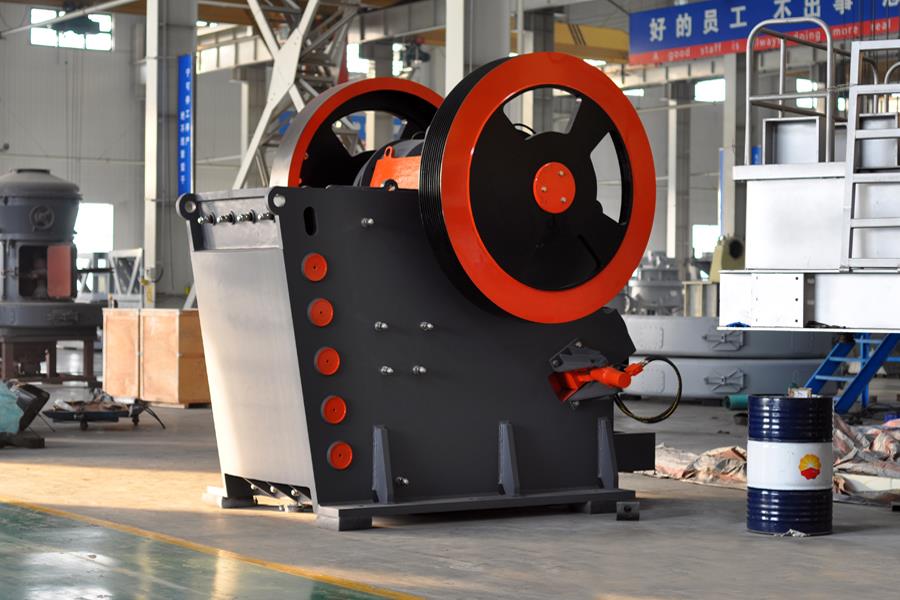
For iron ore mines in Brazil and Australia, maximizing jaw crusher capacity is essential to meet production targets and lower cost per ton. A 300 tph jaw crusher (Type J-1,100x1,300 mm or larger) is a significant investment, and knowing how to increase jaw crusher capacity for iron ore 300 tph can yield 10‑20% more throughput without major capital expenditure. Below we share practical methods based on OCP Mechanical Company’s 40 years of experience in hard rock crushing.
1. Optimize Closed Side Setting (CSS) and Feed Gradation
The first step in how to increase jaw crusher capacity for iron ore 300 tph is to adjust the CSS to the widest setting that still meets your product size requirement. A jaw crusher’s capacity increases as CSS widens. For example, increasing CSS from 120 mm to 150 mm can boost capacity by 15‑20%, though the product becomes coarser. If your secondary crusher has spare capacity, this is a quick win. Additionally, ensure a well‑graded feed (mix of coarse, medium, and fine) – a feed with too many large blocks reduces throughput. Removing fines below CSS with a vibrating grizzly feeder also increases net capacity because the jaw only crushes oversize material.
Note: Product data are constantly updated; for the latest CSS guidelines, please contact our online customer service.
Many iron ore mines in Minas Gerais and Western Australia have gained 10‑15% more throughput simply by widening CSS and installing a pre‑screen.
2. Maintain Choke‑Fed Conditions and Even Feeding
A critical factor in how to increase jaw crusher capacity for iron ore 300 tph is keeping the crushing chamber full (choke‑fed). A starved crusher loses capacity and causes uneven wear. Use a variable speed feeder to maintain a constant material level in the jaw. Also, ensure the feeder distributes material evenly across the full width of the jaw plates. Uneven feeding reduces effective capacity by 20‑30% because only half the plates are used. Install a spreading chute or a vibrating feeder with a tapered discharge to achieve even distribution.
The above values are for illustration only. OCP continuously improves its products. Contact our online team for the most current data.
In Brazil’s Carajás region, operators have increased jaw crusher capacity by 12% after correcting feed segregation.
3. Reduce Downtime for Jaw Plate Changes
Unplanned downtime for jaw plate replacement kills capacity. To increase jaw crusher capacity for iron ore 300 tph, use reversible Mn18%+Cr jaw plates and rotate them once the bottom wears. This extends liner life by 50‑100%, reducing replacement frequency. Also, keep a spare set of plates and toggle plates on site, and train maintenance crews to perform quick changes (under 4 hours). Hydraulic CSS adjustment reduces downtime for setting changes compared to manual shims.
As a direct‑selling manufacturer, OCP provides factory pricing on jaw crushers and wear parts, with local warehouses in Brazil and Australia for fast delivery.
4. Boost Crusher Speed and Use Proper Lubrication
For some jaw crusher models, increasing the eccentric speed (within manufacturer limits) can increase capacity. Check the motor and drive – a worn V‑belt or low voltage can reduce speed and capacity. Ensure the crusher is lubricated with the correct oil viscosity (ISO VG 220 for warm climates) and that the oil cooler is clean. Running a jaw crusher with hot bearings or thick oil reduces its effective capacity.
Understanding how to increase jaw crusher capacity for iron ore 300 tph is a combination of proper setting, feeding, and maintenance. OCP Mechanical Company has over 40 years of history in crushing equipment. We offer:
Free pre‑sale plant audit to identify bottlenecks.
Factory‑direct jaw crushers with hydraulic adjustment and reversible plates.
24/7 online technical support for optimization.
For a no‑obligation consultation and personalized advice, simply click the live chat icon on this page. Our online customer service team is available 24 hours a day, 7 days a week, to answer your technical questions, provide free recommendations, and help you achieve 300 tph of iron ore.