How to improve cubicity of aggregate from impact crusher
Why aggregate cubicity matters for European construction standards
Across Europe, from the autobahns of Germany to the motorways of the UK and the high‑rise projects of the Netherlands, aggregate shape is a critical quality parameter. Cubical aggregates—with length‑to‑thickness ratios close to 1:1—produce concrete with higher workability, lower water demand, and superior strength, while asphalt mixes with cubical particles offer better compaction and skid resistance. European standards (EN 12620 for concrete aggregates and EN 13043 for asphalt) place strict limits on flakiness and elongation indices, often requiring less than 20% of flat particles. For plant operators running an impact crusher, achieving this specification consistently is a challenge—but with the right approach, it is entirely achievable. Understanding How to improve cubicity of aggregate from impact crusher is therefore a strategic capability that directly affects product quality, market acceptance, and profitability. OCP Mechanical Company, with over 40 years of direct manufacturing experience, designs impact crushers with cubicity in mind, and offers factory‑direct consultation to help European operators optimise their process for the best particle shape.
Adjusting rotor speed and hammer configuration
The rotor speed is the single most influential variable in shaping aggregate. Higher tip speeds generate more impact energy, which promotes fracture along natural cleavage planes—producing more cubical particles. However, excessive speed increases fines generation and accelerates wear. For most hard rocks (granite, basalt, andesite), OCP recommends a tip speed of 55–65 m/s for a balance of cubicity and wear life. Equally important is the number and arrangement of blow bars (hammers). A rotor with four or six blow bars creates more impact events per revolution, improving the chances of breaking flat or elongated particles. The spacing and weight distribution of the hammers should be matched to the feed material's hardness. OCP's impact crushers feature adjustable rotor speed via variable frequency drives and interchangeable hammer configurations, enabling operators to fine‑tune the process. All technical data are for reference; consult our online support for the latest recommendations tailored to your feed.
Optimising feed size and grading
A consistent, well‑graded feed is essential for How to improve cubicity of aggregate from impact crusher. Oversized feed (above the crusher's nominal capacity) tends to produce more elongated particles because the crusher struggles to break large rocks effectively, resulting in "needle" shapes. Pre‑screening to remove fines below the desired product size also helps, as fines cushion the impact and reduce the energy delivered to coarser particles. For best cubicity, the feed should have a maximum size of 80–90% of the crusher's rotor width, and the proportion of material smaller than the target product should be minimised. Additionally, feeding the crusher uniformly across the full width of the rotor ensures that all particles receive equal impact, preventing uneven wear and shape variation. OCP's vibrating grizzly feeders and scalping screens are designed to prepare an optimal feed, reducing the recirculating load and improving shape. Many European operators have reported cubicity improvements of 10–15% simply by implementing a more disciplined feed preparation stage.
Controlling discharge settings and recirculation
The crusher's discharge setting, typically controlled by the gap between the impact aprons and the rotor, directly influences product gradation and shape. A tighter setting produces finer material but also increases the proportion of particles that are crushed repeatedly, which can lead to over‑crushing and the generation of flat particles. OCP recommends a setting that achieves the desired top size while allowing a small proportion (5–10%) of oversize to recirculate. The recirculating load itself can be used to improve cubicity—when oversize material is returned to the crusher, it receives additional impact, breaking flat or elongated particles into more cubical shapes. However, excessive recirculation reduces efficiency. A balanced approach, with a recirculation rate of 15–25%, often yields the best shape without compromising throughput. OCP's impact crushers feature hydraulic apron adjustment, allowing operators to change settings quickly and precisely, facilitating optimisation.
Implementing closed‑circuit screening and selective crushing
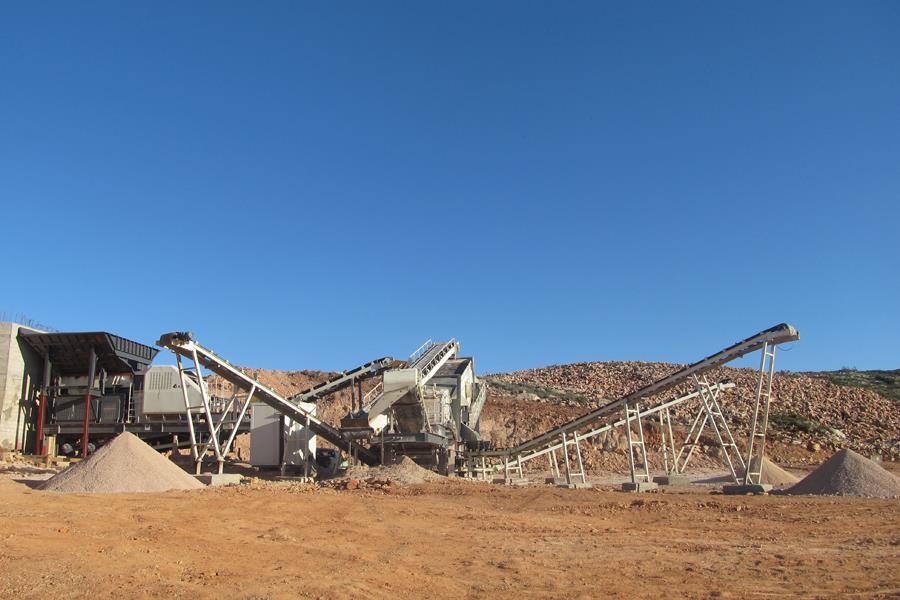
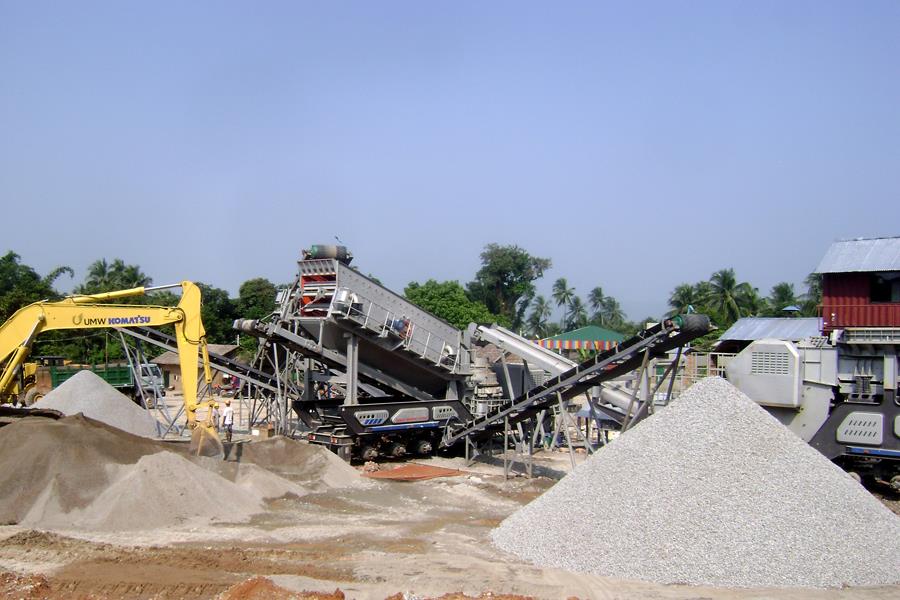
For applications where cubicity is paramount, a closed‑circuit configuration with a screen and a recirculating conveyor is the most effective strategy. In this setup, the screen separates the product into fractions, returning oversize to the crusher and sending the desired size to stockpiles. By carefully selecting the screen aperture, operators can ensure that the crusher only processes the oversize material that requires further shaping. This selective crushing concentrates the impact energy on the particles that need it most, improving overall cubicity of the final product. For European operations producing high‑specification aggregates for exposed aggregate concrete or surface dressing chippings, this method is widely used. OCP offers complete closed‑circuit packages with integrated conveyors, screens, and control systems. The How to improve cubicity of aggregate from impact crusher process becomes systematic and predictable, producing consistent shape quality day after day. Actual results vary with feed material and screen efficiency.
Leveraging advanced automation and monitoring
Modern automation systems play a growing role in achieving and maintaining high cubicity. OCP's impact crushers can be equipped with PLC controls that monitor power draw, rotor speed, and apron gap, automatically adjusting settings to keep the crushing process within optimal parameters. When power draw drops, indicating reduced load, the system can increase feed rate; when it rises, it can adjust the apron gap to reduce the load. Real‑time monitoring also alerts operators to wear conditions that affect shape—for example, worn blow bars reduce impact efficiency, leading to more elongated particles. By tracking these parameters and scheduling timely maintenance, operators ensure that the crusher consistently produces cubical aggregate. In Europe, where quality control documentation is often required for project tenders, this data‑driven approach provides traceability and confidence. OCP offers comprehensive automation packages with remote access, enabling our engineers to support your optimisation efforts. OCP reserves the right to update technical recommendations; all data are estimates and subject to site‑specific factors.
Get your custom cubicity improvement plan and quote
Achieving superior aggregate cubicity is a systematic process that combines equipment design, operational discipline, and continuous improvement. OCP Mechanical Company offers a free, site‑specific consultation on How to improve cubicity of aggregate from impact crusher, covering rotor speed optimisation, feed preparation, setting adjustment, and automation integration. Our 24‑hour online customer service team is ready to answer your questions and provide technical guidance tailored to European standards. To receive your personalised improvement plan and equipment quote, simply click the chat button on our website or complete the enquiry form with your feed and product specifications. Our engineers will respond within 24 hours with a detailed proposal, including recommended settings, optional automation, and a price breakdown. All quoted figures and parameters are for reference and subject to final confirmation. OCP's 40‑year track record ensures durable, high‑performance impact crushers and expert support for Europe's most demanding aggregate operations. Reach out today and start producing cubical aggregates that meet the highest European standards.