
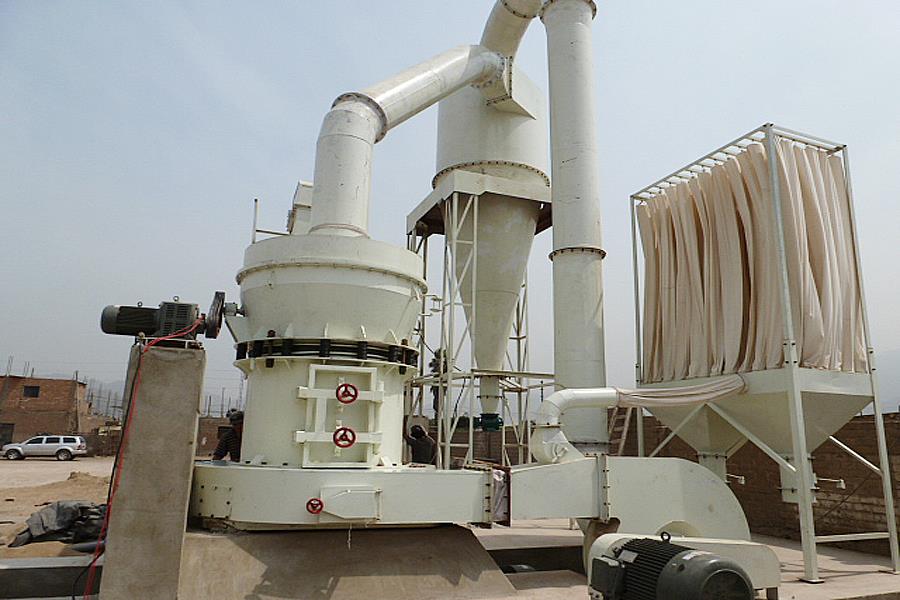
How to configure a 600tph limestone sand and gravel aggregate production line
The replacement of natural sand with manufactured sand has become an inevitable trend in the industry. The pace of transformation and upgrading in the sand and gravel aggregate sector has accelerated significantly, shifting rapidly from traditional, extensive mining methods to industrialized, standardized, and intensive production approaches. Simultaneously, the industry is expanding into the recycling of construction solid waste and the restoration of abandoned mine environments.
To establish a 600 tph limestone production line, prioritize intelligent, eco-friendly, and safe equipment featuring premium crushing, shaping, screening, and control processes to produce high-quality sand and gravel aggregates, construction base materials, and ready-mixed mortar. This article outlines the process flow and equipment configuration for such a production line.
1. Main Equipment
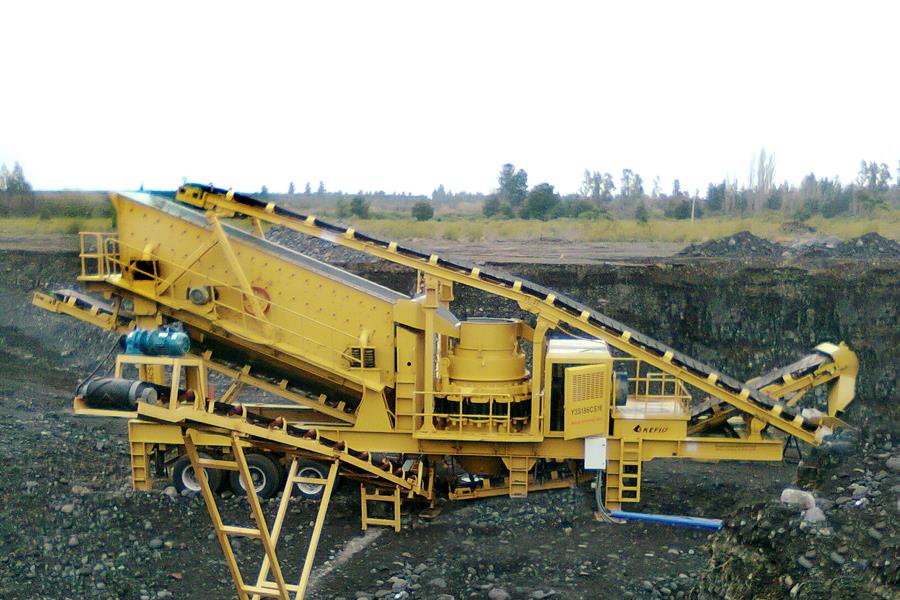
Primary equipment includes (power ratings not specified): Vibrating screen sets; Crushers (single-cylinder cone crushers, multi-cylinder cone crushers, etc.); Aggregate shaping machines: Vertical shaft impact crushers; Sand makers: Ultra-fine crushing sand makers; Gradation control machines; Wet mixers; Pneumatic conveying systems (including silo top dust collectors); Dust collectors, etc.
2. Process Flow
1) Transfer Operations: Uniformly feed material (1000 t/h, particle diameter 10 mm) from the nearby limestone transfer station via belt conveyors to the desliming screen for desliming.
2) Desliming: The desliming screen uses Vibrating Screen Set #1 to remove slime, producing two fractions: limestone powder and >10mm ore. The powder is conveyed to the slime silo (2000t), while the slime can be returned to the cement production line via conveyor. The >10mm ore is transported to the transfer silo (15000t).
3) Fine Crushing and Shaping: Ore is conveyed from the silo bottom belt conveyor to Vibrating Screen No. 2, which separates the material into two fractions: 0–45mm and >45mm. The 0–45mm fraction enters the shaping machine directly for shaping, then is conveyed via belt to the screening tower's vibrating screen. Material >45mm enters the fine crushing cone directly for crushing, with the crushed material re-entering the secondary screen via belt conveyor and bucket elevator.
4) Finished Product Screening, Sand Making, and Gradation Adjustment: Shaped ore is conveyed to the bucket elevator at the screening tower station. The bucket elevator transports it to Vibrating Screen No. 3, where it is separated into five products: 0-5mm, 5-10mm, 10-21.5mm, 21.5-31.5mm, and >31.5mm.
The 0-5mm fraction is conveyed via belt conveyor to the gradation control powder and gradation adjustment operations. High-grade sand is transported by belt conveyor to the wet mixer for blending, then conveyed to the finished product silo (10,000 tons). Excess material from gradation adjustment is conveyed by belt conveyor to the sand-making machine. 5-10mm material can be directly conveyed by belt to the finished product silo (30,000t) or fed directly into the sand-making machine for processing, then conveyed by belt to Screen #2; 10-21.5mm material is directly conveyed by belt to the finished product silo (10,000t); Products measuring 21.5-31.5mm are directly conveyed by belt conveyor to the finished product silo (40,000t); Products exceeding 31.5mm are conveyed by belt conveyor to Screen #2.
5) Automatic Loading Operation: Finished aggregate from the silo can be conveyed by bottom silo belt conveyors to the loading tower station for automated loading operations.
6) Dust Collection Operation: Dust generated during production is directed as follows: Dust from Screen Group #1 enters the dust collector, where it is purified before being discharged into the atmosphere via an exhaust fan. The dust concentration in the discharged gas is <10mg/m³, meeting emission standards (GB4915-2014).
Dust collected by the dust collector is wet-mixed in a wet mixer, then conveyed via a screw conveyor to the de-sludging belt conveyor and transported to the sludge silo.
Dust generated by the fine cone crusher, vertical shaft impact crusher, Screening Groups #2 and #3, and the finished product warehouse enters the dust collector. After purification, it is discharged into the atmosphere via an exhaust fan. The dust concentration in the discharged gas is <10mg/m³, meeting emission standards (GB4915-2014).
Dust collected by the dust collector is transported via a pneumatic conveying system to the high-calcium powder storage silo (1000t). It is then loaded into vehicles for shipment through the automatic bottom-discharge loading system.
With strict controls on natural sand resources, replacing natural sand with manufactured sand is an inevitable trend. Simultaneously, mining operations are moving toward standardized and intensive development. New intelligent, environmentally friendly premium sand and gravel aggregate production lines represent the future direction. If you are interested in equipment related to sand and gravel aggregate production lines, click the website customer service for an immediate free consultation, available 24/7.
-
How much does it cost to build a small construction waste landfill
-
Which crusher should be chosen for crushing hard rock materials
-
-
Methods to Improve the Sand-Making Efficiency of Pebble Crushers
-
What equipment is used to process waste bricks from construction debris