
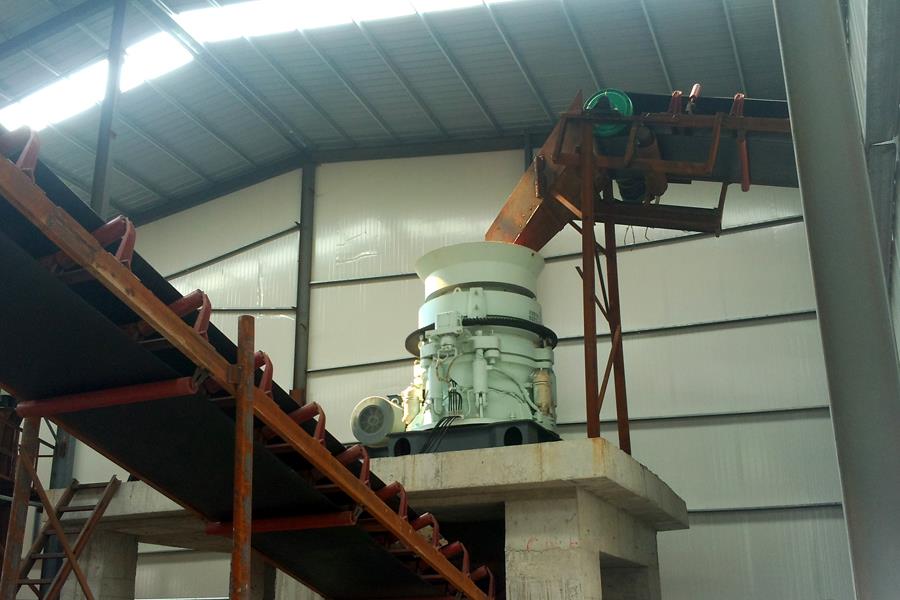
How to change concave on a cone crusher safely
For cone crusher operators worldwide, replacing the concave (bowl liner) is a routine but potentially dangerous maintenance task. An improperly secured or damaged concave can cause catastrophic crusher failure, and unsafe handling can lead to serious injury. Knowing how to change concave on a cone crusher safely protects your team, extends equipment life, and minimizes downtime. OCP Mechanical Company, a factory‑direct manufacturer with over 40 years of experience, supplies genuine concave liners and provides remote technical guidance for safe replacement, backed by 24/7 online support.
Note: Product data are constantly updated; the latest specifications should be confirmed with our online customer service.
Pre‑replacement safety preparation
Before any work begins, follow these safety steps to prevent accidents:
Lock out/tag out (LOTO) – Isolate the crusher from all power sources (main motor, hydraulic unit, lubrication system, and feeder). Verify zero energy.
Allow the crusher to cool – Surface temperatures can exceed 60°C after operation. Wait at least 30‑60 minutes.
Secure the bowl – If the crusher has a hydraulic bowl lift, engage the mechanical locking device or place hardwood blocks under the bowl to prevent unexpected lowering.
Clean the work area – Remove dust, oil, and debris from the bowl area to prevent slips.
Use proper PPE – Hard hat, steel‑toed boots, gloves, safety glasses, and hearing protection. For overhead work, a safety harness is required.
Prepare lifting equipment – Use a hoist or crane rated for the weight of the concave (often 1‑5 tonnes). Inspect slings and lifting lugs.
Many crusher accidents happen because operators skip LOTO or fail to lock the bowl. Never rely solely on hydraulic pressure to hold the bowl in place.
Step‑by‑step procedure to change the concave
Follow this sequence for how to change concave on a cone crusher safely:
Step 1 – Remove the feed hopper and distributor plate
Unbolt and lift off the feed hopper. Remove the feed distributor plate and any retaining hardware. Set them aside on a clean surface.
Step 2 – Access the locking nuts
Most cone crushers use locking nuts or bolts around the top ring of the bowl to secure the concave. Remove the locking pins or cotter pins.
Step 3 – Loosen and remove the locking nuts
Using a heavy‑duty impact wrench or a manual socket with a breaker bar, loosen each nut evenly. Work in a star pattern to avoid warping the bowl. If nuts are seized, apply penetrating oil and wait.
Step 4 – Lift the concave
Attach lifting slings to the dedicated lifting eyes on the concave (never to the liner surface). Slowly lift the concave straight up. Tap the upper edge with a rubber mallet if it is stuck. Do not pry against the bowl casting.
Step 5 – Clean the bowl seat
Remove old gasket material, dust, and debris from the bowl’s mating surface. Check for cracks or damage. A clean, flat surface is essential for the new concave to seat correctly.
Step 6 – Install the new concave
Place the new concave (check that it is the correct alloy and profile) into the bowl. Align the bolt holes. Lower it gently – do not drop it. Apply anti‑seize compound to the threads of the locking studs.
Step 7 – Tighten the locking nuts
Install the locking nuts and tighten in a star pattern to the manufacturer’s torque specification. Under‑tightening allows the concave to spin; over‑tightening can crack the bowl. Re‑torque after 1‑2 hours of operation.
Step 8 – Reinstall distributor plate and feed hopper
Replace the feed distributor plate and secure it. Reinstall the feed hopper and gasket. Check for any loose tools or debris inside the crusher before closing.
Step 9 – Test run
Remove all LOTO devices. Run the crusher empty for 5‑10 minutes, listening for unusual noise. Then slowly feed material at 50% rate, monitoring for vibration or metal‑to‑metal contact.
All price information in this article is for reference only; contact our team for current, site‑specific data.
Common mistakes to avoid
Mixing old and new hardware – Always use new locking nuts and washers supplied with the concave.
Ignoring torque specifications – Guessing torque leads to loose liners or cracked bowls. Use a calibrated torque wrench.
Forgetting to apply anti‑seize – Threads seize over time, making future removal extremely difficult.
Not checking bowl wear – If the bowl seat is worn unevenly, the new concave will not seat correctly. Repair or replace the bowl first.
Skipping the post‑tightening check – After a few hours of operation, re‑torque the nuts as the liner settles.
Post‑replacement inspection and adjustment
After changing the concave, perform these final checks:
Measure the CSS – Use lead balls or a laser tool to verify the closed side setting. Adjust if necessary.
Check for hydraulic leaks – Inspect bowl lift cylinders and hoses for oil leaks.
Monitor power draw – For the first shift, watch for abnormal power spikes that could indicate improper liner fit.
Schedule a re‑torque – Plan to re‑tighten the locking nuts after 8‑10 hours of operation.
OCP provides remote video guidance for every step. Our engineers can walk your maintenance team through the process.
Why OCP is your partner for safe cone crusher maintenance
Mastering how to change concave on a cone crusher safely reduces risk and downtime. OCP Mechanical Company has four decades of experience in cone crusher manufacturing and field service. Our 24/7 online team helps with torque specifications, lifting procedures, and troubleshooting. We keep genuine concave liners and hardware in stock for fast global delivery. We invite you to request a no‑obligation quote and safety consultation.
For a no‑obligation consultation on how to change concave on a cone crusher safely, simply click the live chat icon on this page. Our online customer service team is available 24 hours a day, 7 days a week, to provide free technical advice, spare parts quotes, and installation support – helping you keep your cone crusher running safely and efficiently.
-
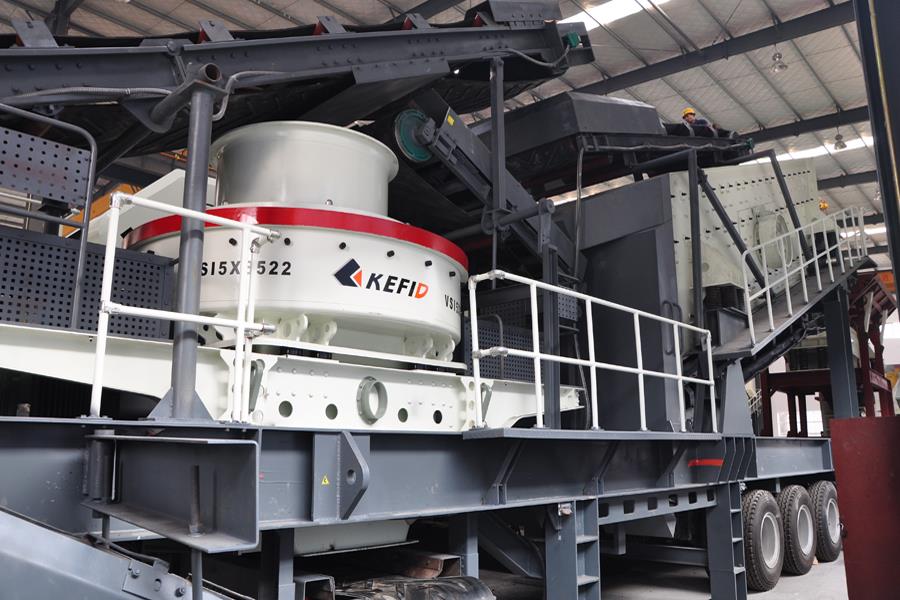
Get quotation for vibrating screen for iron ore 375 tph in Brazil
-
-
Factory direct price of mobile sand making plant 85 tph for andesite in Philippines
-
-
Buy a complete crushing and screening plant for limestone 500 tph in Saudi Arabia