How to Achieve Both Profitability and Environmental Protection in Mechanically Produced Sand Production Lines
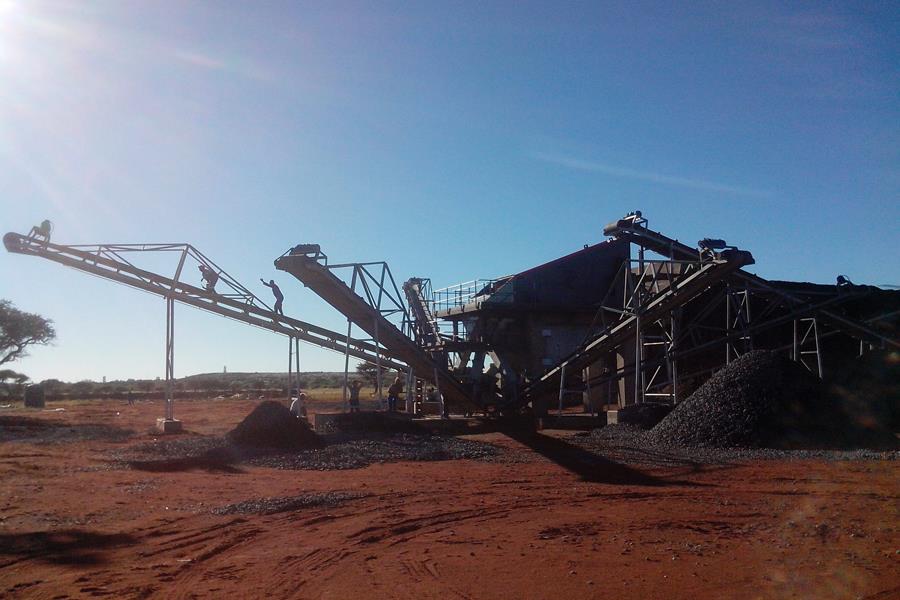
As natural sand and gravel are non-renewable resources in the short term, the mechanically produced sand industry has experienced rapid growth. Replacing natural sand with mechanically produced sand has become a trend for sustainable development in the construction sector. Production efficiency and environmental protection are inextricably linked. Currently, many mechanically produced sand and gravel production lines have been forced to shut down due to environmental pollution issues. Therefore, improving the environmental quality of sand and gravel production lines is the primary consideration for investors in sand and gravel equipment.
1. Environmental Pollution Sources
The primary environmental impacts from sand and gravel production lines stem from dust, noise, and wastewater generated during operations.
(1) Dust primarily originates from emission points in crushing and screening equipment, conveying and transfer points, finished aggregate storage and unloading areas, as well as dust raised during loading of transported aggregates.
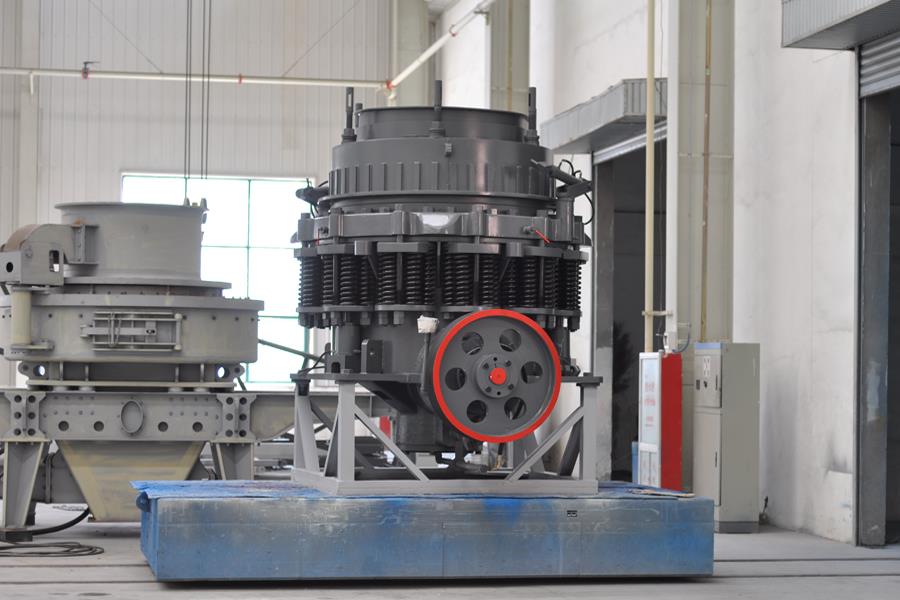
(2) Noise mainly arises from the operation of equipment such as crushers and vibrating screens.
(3) Wastewater consists mainly of domestic sewage, free of hazardous substances.
2. Environmental Protection Measures
(1) Dust Control Measures
a) Dust is generated throughout the aggregate production process. To effectively control dust emissions, the design minimizes dust-generating stages, selects low-dust equipment, and employs enclosed conveying and feeding systems with excellent sealing performance. During the design of material pipes connecting equipment, attention is paid to pipe shape, angles, etc., to minimize drop height.
b) All dust emission points employ high-efficiency dust collectors with reliable technology and high collection efficiency. This ensures dust emission concentrations remain below 30mg/Nm³, meeting standards.
c) For dust control at finished aggregate storage and unloading points, water spray dust suppression may be selected based on local water availability. In areas with limited water resources or cold northern regions of China, constructing storage silos and covered storage sheds can also reduce dust emissions.
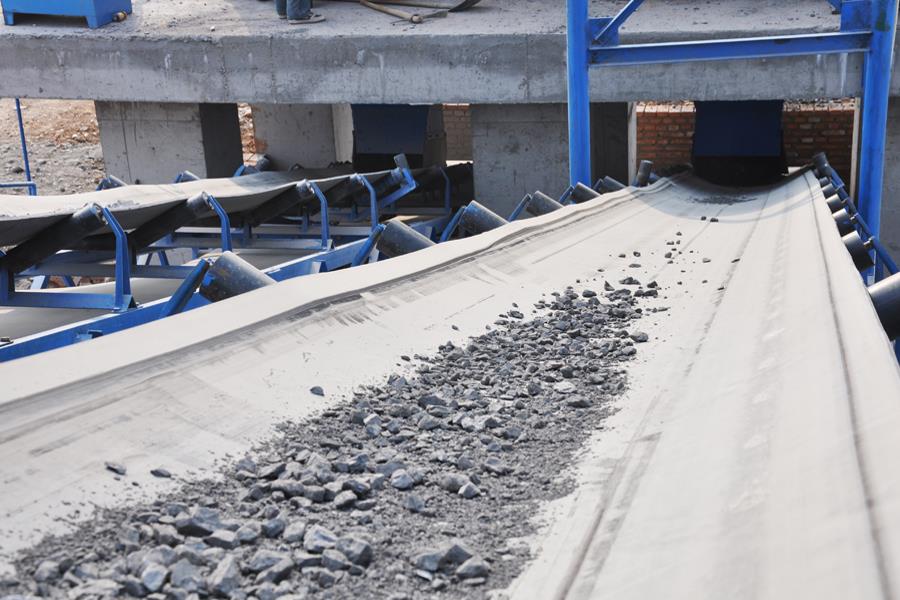
d) Use enclosed conveying equipment for powdery materials. For materials requiring belt conveyors, minimize material drop height, enhance enclosure sealing, and reduce dust escape.
(2) Noise Control
a) Select low-noise equipment or install mufflers during equipment selection to reduce noise levels.
b) Control noise transmission pathways by locating high-noise equipment within enclosed workshops. Implement exterior workshop greening to provide varying degrees of noise isolation through its shielding effect.
(3) Wastewater Treatment
Domestic wastewater undergoes pretreatment in septic tanks and is reused for landscaping, agricultural irrigation, etc., without discharge. Water used for spray dust suppression is consumed and evaporates naturally after dust removal.
(4) Energy Conservation and Consumption Reduction
Design adheres to energy-saving regulations, ensuring efficient and rational energy utilization. Energy-saving measures across process, civil engineering, and electrical disciplines are coordinated to maximize overall project energy efficiency. New energy-efficient equipment and technologies are employed, while obsolete products are excluded.
We welcome you to visit OCP Heavy Industry for on-site inspections of our facilities and crushers, and to consult on production line design. Our specialists will configure the most suitable crushers and design optimal production lines based on your material properties and regional production characteristics. Click the website chat icon for immediate free consultation—available 24/7.