
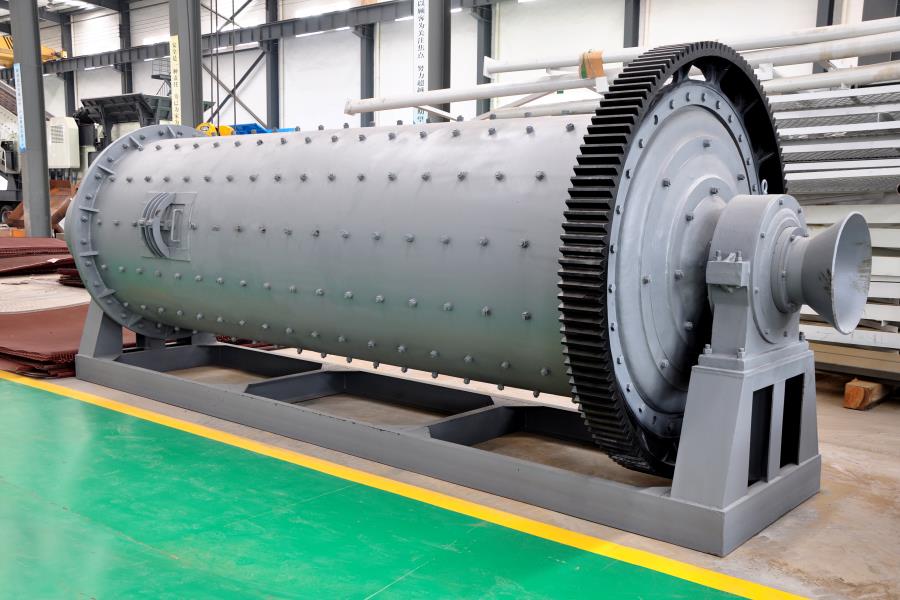
How should river pebble crushing process equipment be configured
How should river pebble crushing process equipment be configured? OCP recommends using laminating equipment and a multi-stage crushing solution.
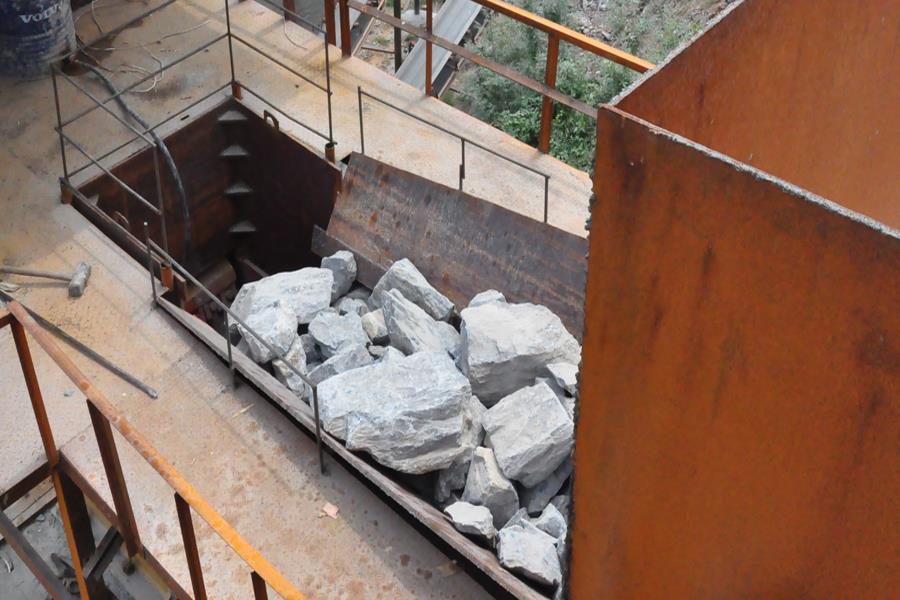
The primary challenge in river pebble crushing is the rapid wear of abrasion-resistant components due to the extremely high silica content in river pebbles. Therefore, quarry projects using river pebbles as raw material must conduct thorough research on the crushing process. As a crusher manufacturer, we recommend utilizing laminating equipment and multi-stage crushing solutions whenever client conditions permit.
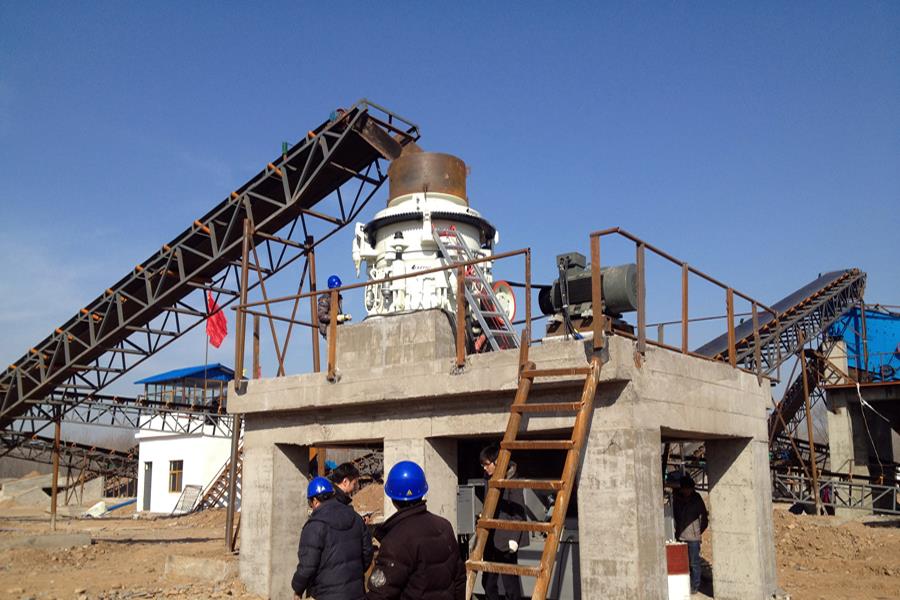
Multi-stage laminating equipment (primarily jaw crushers and cone crushers) maximizes reduction in wear part costs while minimizing re-screened material, thereby increasing production line capacity. If the target market has low requirements for finished aggregate particle shape, a two-stage jaw crusher configuration can be employed. This setup offers lower investment costs, simpler maintenance, and the most economical production costs among all solutions. However, its drawback is inferior aggregate shape with a higher proportion of needle- and flake-shaped particles. Such aggregates lack competitiveness in the market, as high-grade construction projects demand aggregates with excellent particle shape. To achieve superior particle shape while reducing production costs, a process using two-stage compaction crushers (primary jaw crusher + secondary jaw crusher/cone crusher) paired with an impact crusher is recommended. This configuration allows primary and secondary crushers to handle the main crushing work (compaction crushing), with the impact crusher performing final shaping. This setup significantly reduces the amount of reclaimed material after screening.
Excessive re-feed in a production line overloads the final crusher with redundant crushing, substantially increasing wear part consumption. For river pebble quarries using jaw + impact crushers, the impact crusher's wear parts degrade rapidly, driving up production costs. Therefore, as crusher manufacturers, we do not recommend this configuration. Specific process configurations require detailed analysis based on actual site conditions. We welcome visits and discussions. Basalt Crushing Basalt and diabase are highly hard materials with high silica content, making them difficult to crush or resulting in high crushing costs in practical operations. Simply put, basalt and diabase are hard, tough materials with very high silica content. Consequently, the crushing process for basalt/diorite must be rationally designed. While considering the investment cost of the crushing project, the production cost of the line must also be taken into account. In actual crushing operations, some clients use limestone as raw material, where the wear rate of jaw crusher jaw plates is extremely low. It is common for a set of jaw plates to last up to a year. This occurs because limestone not only has low hardness (4-5 on the Mohs scale) but also contains minimal silica, resulting in low abrasive wear on crusher wear parts. In contrast, crushing operations involving basalt/diorite exhibit extremely high wear rates for components like jaw plates, impact hammers, and impact plates. The production costs for these clients significantly exceed those for limestone processing.
Therefore, in crushing process design, we prioritize equipment utilizing the laminar crushing principle to minimize wear part consumption. A typical laminar crushing configuration employs a two-stage jaw crusher setup or a jaw crusher combined with a cone crusher. If customers demand higher-quality final aggregate shape, we can add an impact crusher for shaping, forming a three-stage crushing process. While a three-stage crushing process inevitably increases the project's investment cost, it delivers substantial long-term operational savings for quarries.
(Technical parameters and data mentioned herein are subject to updates with product upgrades. Click to contact our website customer service for the latest equipment specifications.)
Since its establishment, OCP Heavy Industry has specialized in developing and manufacturing complete sets of equipment for crushing, screening, grinding, washing, feeding, conveying, environmental protection, dust removal, as well as steel, metallurgy, and steel slag processing and recycling. Our products are widely applied in the crushing and processing of metals, non-metallic minerals, energy raw materials, and metallurgical waste residues within the steel and metallurgical sectors. We have earned the trust of our customers through superior product quality, high equipment operational efficiency, lower operating costs, and stringent safety and sustainability standards. Click the website customer service for a free consultation now—available 24/7.
-
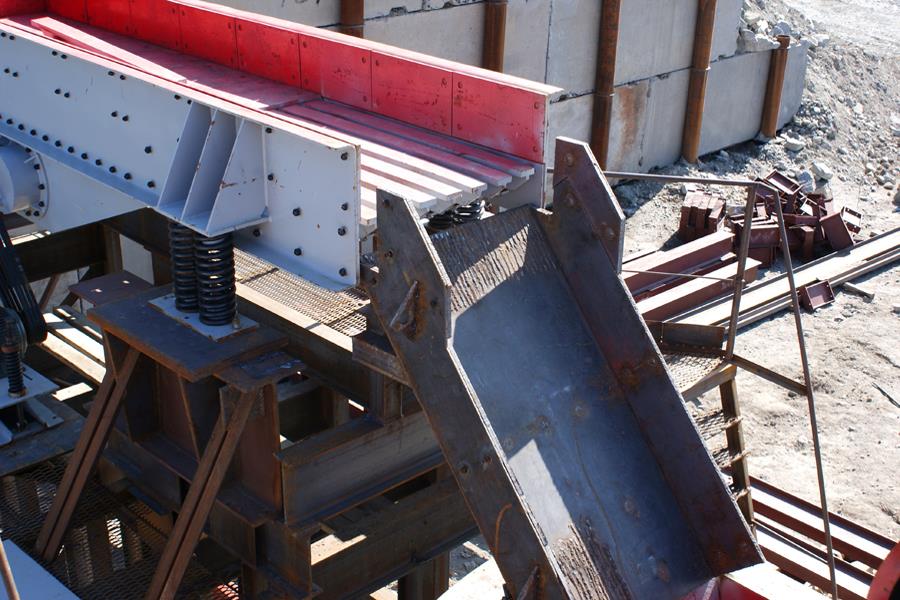
Comparison Between Hydraulic Jaw Crushers and Traditional Jaw Crushers
-
-
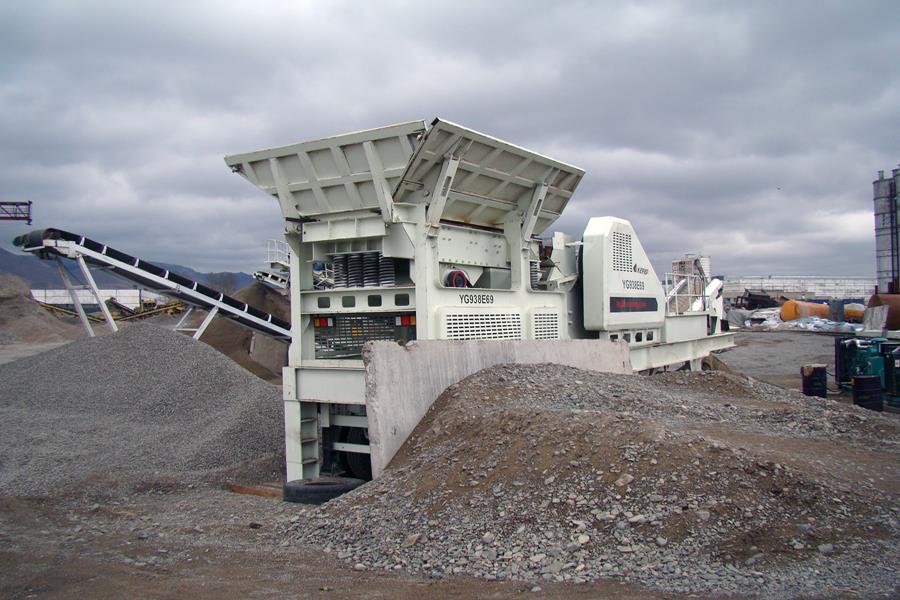
Features and Advantages of the HPY Series Hydraulic High-Efficiency Hydraulic Cone Crusher
-
-
Differences Between Dry and Wet Sand-Making Processes in Sand Production Lines