How much does a talc crushing production line cost
Talc is a common mineral found in many regions. It is typically crushed into talc powder and used as a filler in paper, rubber, coatings, and plastics. As a result, many stone processing plants choose it as a raw material. But how much does a talc crushing production line cost? This article provides a detailed overview.
What equipment is included in a talc crushing production line?
Talc is a layered, hydrated magnesium silicate mineral belonging to the monoclinic crystal system. Its crystals appear as pseudo-hexagonal or rhombohedral plates. It is soft and slippery in texture, chemically stable, and has a relative density of 2.6–2.8. and a Mohs hardness of 1. Typically, a production line consists of multiple pieces of equipment. Depending on the raw material characteristics, production scale, required finished product fineness, and process method (dry or wet), the equipment configuration may vary. Overall, the main components include jaw crushers, impact crushers, Raymond mills, as well as auxiliary and supporting equipment.
Talc Powder Production Line Process Flow:
Jaw Crusher → Bucket Elevator → Electromagnetic Vibrating Feeder → Raymond Mill → Classifier → Dust Collector → Finished Product;
Crushing Equipment:
Used to preliminarily crush large lumps of talc raw material to a particle size suitable for feeding into the mill (typically less than 30 mm).
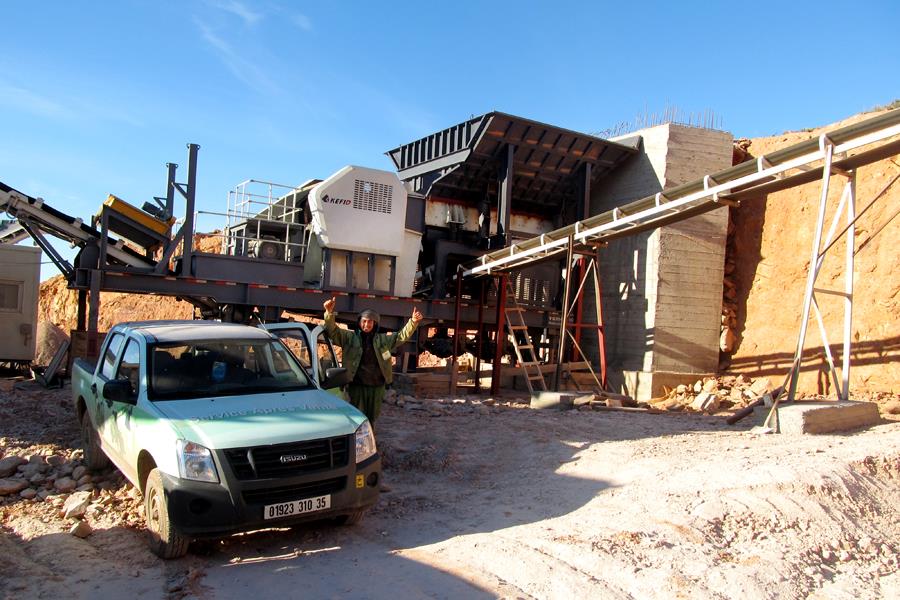
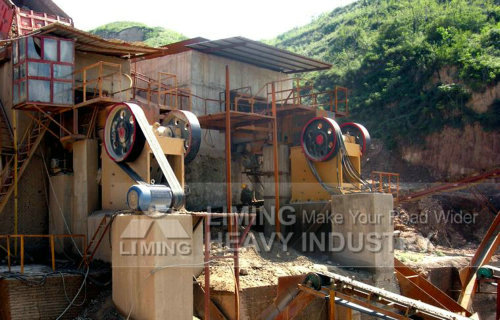
Jaw Crusher: A commonly used primary crushing machine capable of processing large pieces of talc. It operates on the principle of compression crushing. With optimized motion parameters and a deep crushing chamber design, material can enter the chamber unimpeded, ensuring high production capacity. Adjustment methods include mechanical and hydraulic options, and the discharge opening can be adjusted within minutes. The finished product has a uniform particle size. Additionally, the integrated motor mount simplifies installation; the crusher and the integrated motor mount move in sync, reducing the load on the V-belts. Combined with the flywheel design, this effectively minimizes vibration, resulting in smoother machine operation.
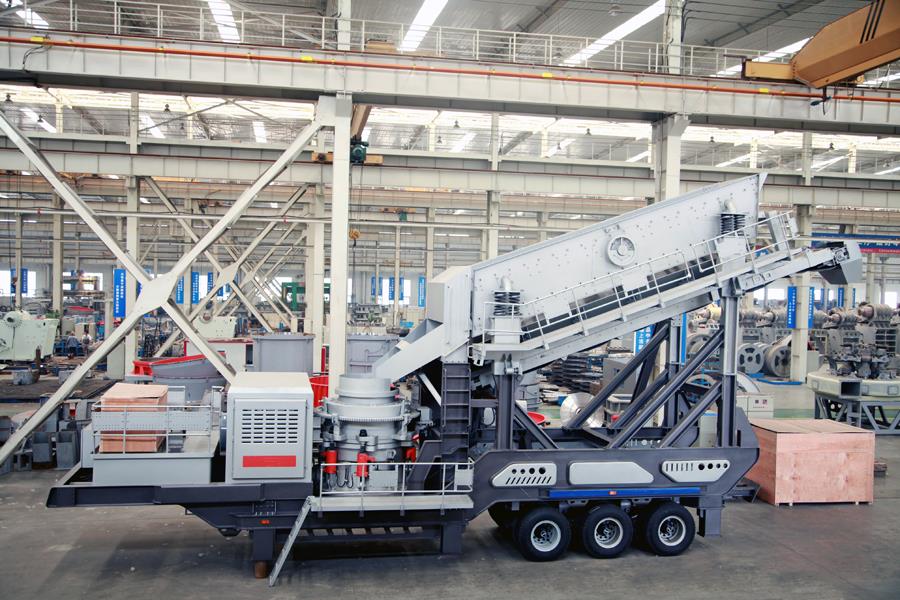
Impact Crusher: Suitable for medium or fine crushing, this machine uses a high-speed rotating rotor to drive impact plates, which crush the feed material entering the crushing chamber through impact. Subsequently, the material undergoes secondary impact, friction, and fracturing against the impact plates, achieving fine crushing. The equipment’s unique wedge-locking system ensures the stability and reliability of the hammers during high-speed rotor operation. Furthermore, the built-in adjustment mechanism facilitates easy adjustment of the discharge size, ensuring excellent shape and particle size of the finished product while also increasing throughput.
Grinding Equipment:
The core of the production line, responsible for grinding the crushed talc into powder of the required fineness. Multiple options are available depending on the desired product fineness.
Raymond Mill: Designed with updated and improved features, this system can function as a self-contained production unit from raw material pre-processing through conveying, grinding, and packaging. The electrical system employs centralized control with a high degree of automation. Through the combined action of the classifier and blower, it meets the diverse requirements of different users. The finished fine powder is of high quality, uniform, and features high classification precision, with fineness adjustable to meet specific needs. The main unit’s drive system utilizes a sealed gearbox and pulleys for smooth operation, while its compact, three-dimensional design minimizes floor space requirements.
Auxiliary and Supporting Equipment:
Feeder: Such as an electromagnetic vibrating feeder, used to feed material uniformly and in measured quantities into a crusher or grinding mill.
Elevators: Such as bucket elevators, used to vertically convey material to elevated storage hoppers or the feed inlet of the grinding mill.
Classification Equipment: Such as classifiers or vortex classifiers, used to classify ground material by particle size, with coarse powder returned for regrinding and fine powder proceeding to the next stage.
Dust Collection Equipment: Such as pulse-jet baghouse dust collectors or cyclone separators, used to collect the finished powder and purify exhaust gases, ensuring environmental compliance and safe production.
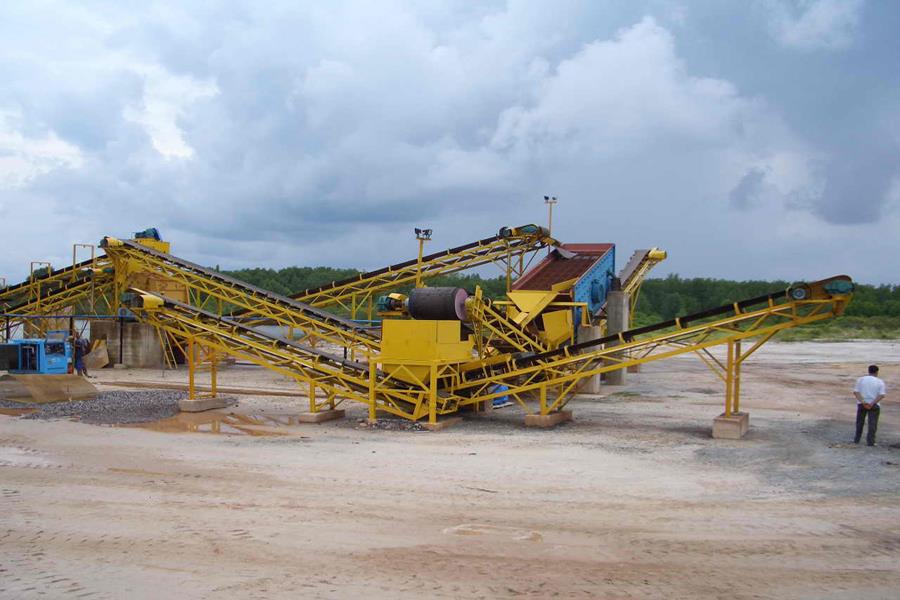
Conveying Equipment: Such as belt conveyors, used to transport material between various pieces of equipment.
Storage Hoppers and Packaging Equipment: Used to store the finished powder and package it using automatic bagging machines or for loading into tank trucks.
Regarding the price of talc grinding production line equipment, there is significant variation based on current market conditions. This primarily depends on equipment configuration, production capacity requirements, and the selected model. Additionally, with numerous manufacturers in the market, each company’s quotation will differ.
(The technical parameters and other data mentioned in this article are subject to updates as products are upgraded. Click on the website’s customer service to obtain the latest equipment specification sheet.)
For specific pricing on a complete talc grinding production line, please feel free to consult us online. A manager will assist you. OCP is a direct-sales company offering wholesale price discounts. We have a comprehensive technical support system and reliable quality assurance mechanisms. From production plan configuration to equipment installation and commissioning, and on to post-installation maintenance and servicing, all services are included. You can use our equipment with confidence—just leave the rest to us! Click on the website customer service to get a free consultation immediately; we are available 24/7.
-
What are the main pieces of equipment in a stone crushing plant
-
What Should You Consider When Choosing a Mobile Crushing Plant
-
What Is the Hourly Production Capacity of a Mobile Construction Waste Crushing Plant
-
Iron Ore Production Line Featuring Jaw Crushers and Cone Crushers
-