How much does a small sand and gravel production line cost
Small sand and gravel production lines are well-suited for small and medium-sized clients with modest output requirements and limited budgets. Small sand and gravel crushers refer to equipment with an output below 300 tons, suitable for small-scale aggregate production lines. They offer excellent operational performance, simple maintenance, and lower investment costs. Smaller output requirements typically call for small sand and gravel crushers. Purchasing small to medium-sized crushing equipment is common, with buyers generally prioritizing cost-effectiveness and high value for money. So, what types of small crushers are both affordable and practical? Let's explore this together.
Guided by the principle of high cost-effectiveness, small and medium-sized enterprises typically choose jaw crushers, impact crushers, or hammer crushers. The specific reasons are as follows:
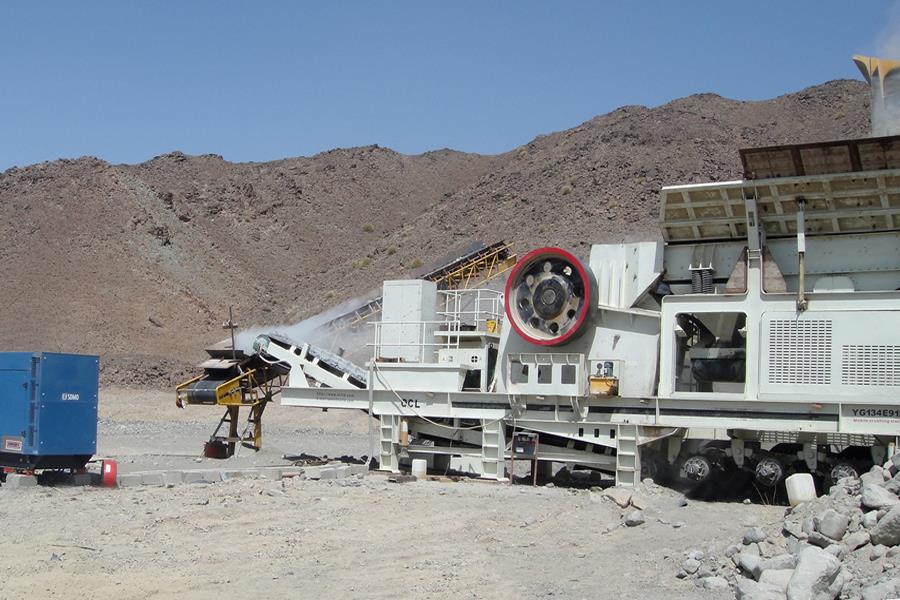
1. Jaw Crusher: Offers broad applicability for coarse crushing of diverse materials, serving as the primary crusher in production lines. Features include a unique chamber design, superior operational characteristics, high throughput, large crushing ratio, high efficiency, durability, simple installation/maintenance, and energy efficiency. Widely used for coarse crushing in construction, building materials, transportation, mining, chemical, and water conservancy industries.
2. Impact Crusher: Primarily used for secondary crushing, it employs impact crushing principles to achieve more uniform product particle size at a relatively competitive price. It features high capacity, excellent product shape, higher crushing output, and a large crushing ratio. Widely applicable for processing construction aggregates in infrastructure sectors like water conservancy, high-speed rail, building materials, and mining, as well as for medium crushing in urban construction waste processing.
3. Hammer Crusher: This equipment can replace multiple machines, achieving one-step crushing without requiring a primary crusher. It saves on equipment investment and is suitable for medium-hard and brittle materials. It features a unique structure, simple operation, high efficiency, energy savings, excellent product shape, adjustable discharge size, and cost-effectiveness.
The above introduces several cost-effective small crushers. Next, let's examine their pricing. In fact, the prices of these models are relatively competitive among crushing equipment. Due to factors like manufacturer, model, and market conditions, prices for the same model may vary. Therefore, to obtain specific quotations, you must first identify the manufacturer and then inquire about the exact equipment model.
To secure favorable pricing and quality assurance, selecting the right manufacturer is crucial. So, what kind of manufacturer can deliver both? Generally, manufacturers with their own production facilities and technical teams prioritize quality. Equipment sold directly by manufacturers tends to be more competitively priced. Considering these factors, established manufacturers with the capability for in-house production and direct sales are the most reliable choice. In summary, the price of small crushers is influenced by multiple factors. To purchase an affordable small crusher, selecting the right manufacturer is key. To help customers quickly find high-quality, cost-effective machines, we recommend OCP Heavy Industry Technology Co., Ltd. OCP Heavy Industry is a veteran manufacturer with 60 years of production and R&D experience, serving customers worldwide with consistently excellent feedback. Click the website chatbot for an immediate free consultation.
-
Comprehensive Guide to Common Stone Sand Production Line Process Configurations
-
Correct Operating Procedures and Maintenance Methods for Spiral Classifiers
-
How to Build an Eco-Friendly Sand and Gravel Production Line
-
Understanding Jaw Crusher Mechanics Prevents Material Jamming Issues
-