Design Principles and Equipment Comparison for Primary Crushing in Sand Production Lines
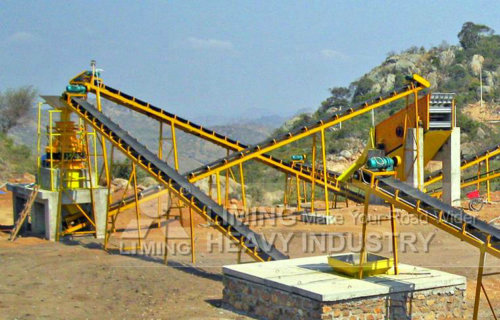
A mature production line primarily comprises crushers and screening equipment, with auxiliary machinery including conveyors, washing units, storage facilities, and electrical control systems. Given the significant variations among aggregate plants in terms of rock types processed, throughput requirements, and finished product specifications, the selection of crushing and screening equipment will naturally differ.
Primary Crushing System
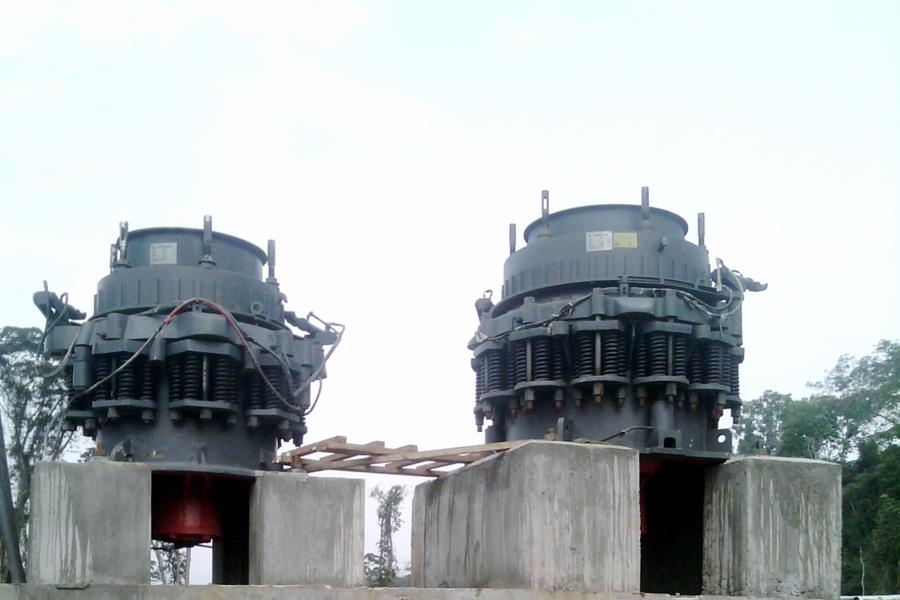
(1) Three primary crusher types are predominantly selected: jaw crushers, impact crushers, and gyratory crushers.
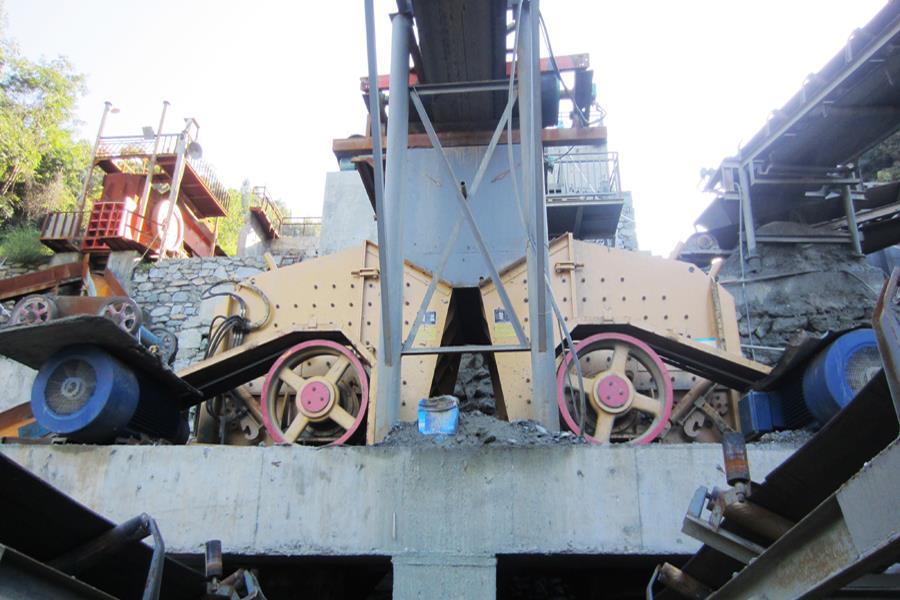
OCP Heavy Industry's impact crusher, featuring a large feed opening, may serve as the primary crusher. However, its application is restricted to medium-soft rock processing, such as limestone, limiting its operational scope.
Jaw crushers are exceptionally common as primary crushers. Selection hinges on two factors: firstly, whether their maximum permissible feed size meets requirements; secondly, whether the processing capacity at the discharge size specified for the discharge opening satisfies system demands.
(2) Whether a feeder or bar screen is installed before the primary crushing system depends on the production line scale, for the following reasons:
① As jaw crushers and similar equipment cannot be started with a full chamber, whereas feeders can start under load. Having the feeder control feed from the preceding process reduces material accumulation in the jaw crusher during abnormal shutdowns, facilitating recovery;
② The feeder converts intermittent supply from dump trucks or loaders into continuous feed to the jaw crusher, reducing load fluctuations and extending equipment service life;
③ Truck feed volumes are often inconsistent, fluctuating between large and small loads. When oversized feed dominates, the jaw crusher experiences high load and slow crushing rates; conversely, smaller feed accelerates crushing. Feeders can adjust feed rates to reduce input during high loads and increase it during rapid crushing, thereby enhancing average processing capacity.
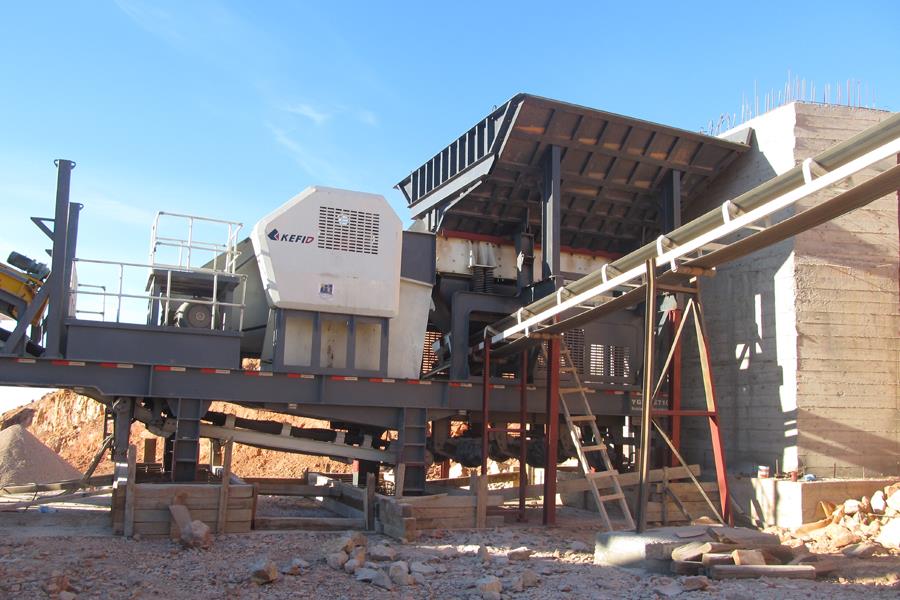
(3) Four primary feeder types are available: bar screens, chain plate conveyors, motor-driven vibrating feeders, and inertia vibrating feeders. Chain plate conveyors are heavy and costly, while motor-driven vibrating feeders have limited feed capacity; neither incorporates screening mechanisms, restricting their applicability.
(4) Inertia vibrating feeders are usually installed horizontally and require a smaller drop height than bar screens, making them suitable for use in primary crushing units.
(5) The feeder hopper must not only be compatible with the feeder itself but also tailored to the user's feeding method. Dump trucks typically employ end feeding, while loaders use side feeding, necessitating different hopper designs. The effective volume of the feeder hopper should exceed the volume of the feeding vehicle's bucket by 1 to 1.5 times.
OCP Heavy Industry, with 40 years of experience in manufacturing and developing large-scale mining equipment, offers a comprehensive range including jaw crushers, impact crushers, cone crushers, sand makers, washing and sorting equipment, and conveying systems. We tailor production line solutions to client requirements, providing complimentary installation and training. Site visits to our facilities are welcome! Click our website chat for immediate free consultation – available 24 hours.