Crusher plant operator training checklist for new hires
Why a crusher plant operator training checklist for new hires is essential for every operation
The success of any crushing plant depends on the skill and knowledge of its operators. A well-trained operator can maximize throughput, reduce wear on components, identify and resolve issues before they cause downtime, and operate the plant safely. Conversely, an untrained or poorly trained operator can lead to a cascade of problems: reduced production, increased wear and tear, safety incidents, and costly equipment damage. For new hires, the learning curve is steep. They must master the operation of multiple pieces of equipment—feeders, crushers, screens, conveyors, and control systems—while also understanding the material flow, the product specifications, and the safety protocols. Without a structured training program, new operators often learn through trial and error, which is inefficient and risky. A comprehensive crusher plant operator training checklist for new hires provides a clear, systematic path to competency, ensuring that new operators acquire the necessary skills and knowledge to operate the plant safely and productively. At OCP Mechanical Company, with over 40 years of manufacturing experience, we supply complete crushing plants, including PE Series jaw crushers, HST Series cone crushers, and VSI 6X sand making machines, and we provide comprehensive training support to help operators master the skills needed for reliable, efficient operation.
Understanding the plant layout and material flow
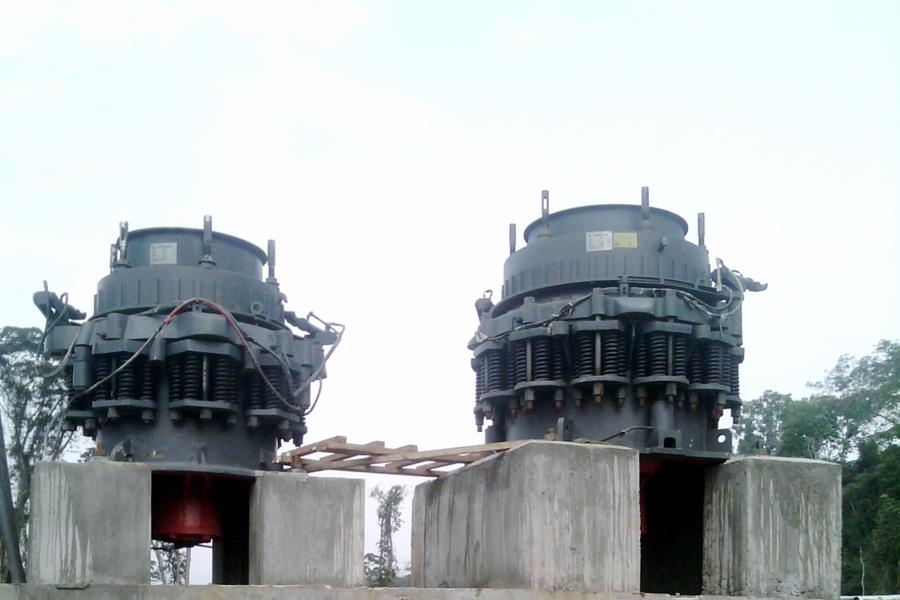
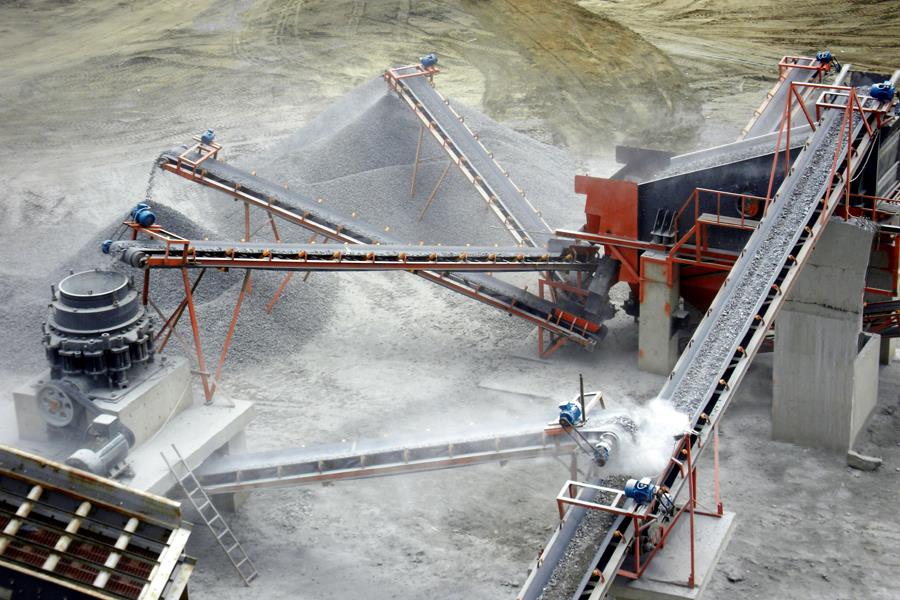
The first step in any training program is to ensure that the new operator understands the plant layout and the material flow. The operator should be able to trace the path of the material from the feed hopper, through the primary crusher, the secondary and tertiary crushers, the screens, and finally to the product stockpiles. They should know the location of each piece of equipment, its function, and its relationship to the other equipment. This understanding is essential for diagnosing problems and for coordinating with other operators. The training should include a site walkthrough, where the new operator is shown each piece of equipment and its role in the circuit. The operator should also be familiar with the control system and the instrumentation, including the location of the emergency stops. This foundational knowledge is a key component of any crusher plant operator training checklist for new hires.
Pre-start inspection and startup procedures
A thorough pre-start inspection is the first line of defence against equipment failure and safety incidents. The new operator must be trained to perform a systematic inspection of the plant before starting it. The inspection should include: checking the oil levels and temperatures in the crushers; inspecting the crusher liners for wear; checking the screen panels for damage or blinding; inspecting the conveyor belts for wear and proper tracking; checking the drive belts and couplings; and verifying that all safety guards are in place. The operator should also check the feed hopper for any blockages or foreign objects. The startup procedure must be followed in the correct sequence, typically starting with the downstream equipment first (to prevent material buildup) and then starting the crushers. The operator should be trained to monitor the startup carefully, listening for unusual noises and watching for any signs of trouble. A detailed pre-start and startup checklist is an essential part of any crusher plant operator training checklist for new hires.
Monitoring and adjusting the crushing circuit
Once the plant is running, the operator's primary responsibility is to monitor the performance of the crushing circuit and make adjustments as needed. The operator must be trained to interpret the key operating parameters: the power draw of each crusher, the feed rate, the product size, and the conveyor loading. They should be able to recognize the signs of a problem—such as a sudden increase in power draw, a change in product size, or a conveyor that is running slower than normal—and take corrective action. This may involve adjusting the feed rate, changing the crusher settings, or communicating with the loader operator. The operator should also be trained to adjust the crusher settings to achieve the desired product specification, and to compensate for wear on the liners. This is a core skill in any crusher plant operator training checklist for new hires. The training should include hands-on practice, under the supervision of an experienced operator, to build the new operator's confidence and competence.
Safety protocols and emergency response
Safety is the highest priority in any crushing plant. The new operator must be thoroughly trained in the safety protocols, including: the lockout/tagout procedure for isolating equipment during maintenance; the correct use of personal protective equipment (PPE); the hazards associated with the plant, including dust, noise, and moving parts; and the emergency response procedures. The operator should know the location of the emergency stops and be able to use them correctly. They should be trained to respond to a fire, a spill, or a medical emergency. The training should include a review of the plant's safety manual and a practical demonstration of the safety procedures. The operator should be aware of the reporting procedures for any safety incidents. This is a non-negotiable element of a crusher plant operator training checklist for new hires, as it protects the operator and the entire team.
Basic maintenance and troubleshooting
Even with the best operation, crushing plants require regular maintenance. The new operator should be trained to perform basic maintenance tasks, such as: lubricating the crusher bearings, changing the oil filters, cleaning the screen panels, and replacing wear parts. The operator should also be able to identify common problems—such as worn liners, loose belts, or clogged chutes—and know how to address them. The training should include the use of common hand tools and the interpretation of the maintenance log. By empowering the operator to perform these tasks, the plant can reduce downtime and improve reliability. This practical skill is a valuable part of any crusher plant operator training checklist for new hires.
Record keeping and communication
Effective communication and record keeping are essential for a well-run plant. The new operator should be trained to maintain a log of the plant's operation, including the feed rate, the crusher settings, the power draw, and any issues encountered. The log is a valuable tool for tracking performance and identifying trends. The operator should also be trained to communicate effectively with other operators, the loader operator, and the maintenance team. Clear communication is essential for coordinating the plant's operation and for ensuring that issues are resolved quickly. The operator should be aware of the plant's communication protocols, including the use of radios or hand signals. This is a key component of a crusher plant operator training checklist for new hires.
Sample training checklist overview (For reference only)
| Module | Key Topics |
|---|---|
| Plant layout and material flow | Equipment location, material path, control system basics * |
| Pre‑start inspection | Oil levels, liners, screens, belts, safety guards * |
| Startup procedure | Correct sequence, monitoring startup * |
| Monitoring and adjustment | Power draw, feed rate, product size, crusher settings * |
| Safety protocols | Lockout/tagout, PPE, emergency stops, reporting * |
| Basic maintenance | Lubrication, filter changes, cleaning, wear part replacement * |
| Record keeping and communication | Log book, communication protocols * |
All figures and recommendations are for reference only and are continuously updated. For the latest parameters, please consult our online customer service. Prices are for reference only and are subject to change based on configuration and market conditions. Actual results may vary depending on feed characteristics, operating conditions, and maintenance practices. OCP Mechanical reserves the right to update technical data and pricing without prior notice.
Why OCP Mechanical is your partner for training and support
With over 40 years of manufacturing experience, OCP Mechanical combines engineering excellence with a deep commitment to operator training and support. We are a factory-direct supplier, meaning you avoid the markups charged by dealers and intermediaries. We provide comprehensive training materials, including detailed operation manuals, checklists, and practical training sessions. Our technical support team is available 24/7 to assist with any questions or issues. We are committed to helping you build a skilled, confident team of operators who can run your plant safely and productively.
Conclusion – Invest in training and build a safer, more productive operation
A well-trained operator is the most valuable asset in any crushing plant. By implementing a structured crusher plant operator training checklist for new hires, you can ensure that your new operators acquire the skills and knowledge they need to operate the plant safely, efficiently, and productively. OCP Mechanical offers the equipment, expertise, and support you need to succeed. Our online customer service team is available 24/7 to provide free consultation, technical data, and a customised quotation for your operation. Click the chat button now – let us help you build a safer, more productive team with a comprehensive training program.