How to reduce downtime during crusher liner changeover
Why reducing downtime during crusher liner changeover is a top priority for every operation
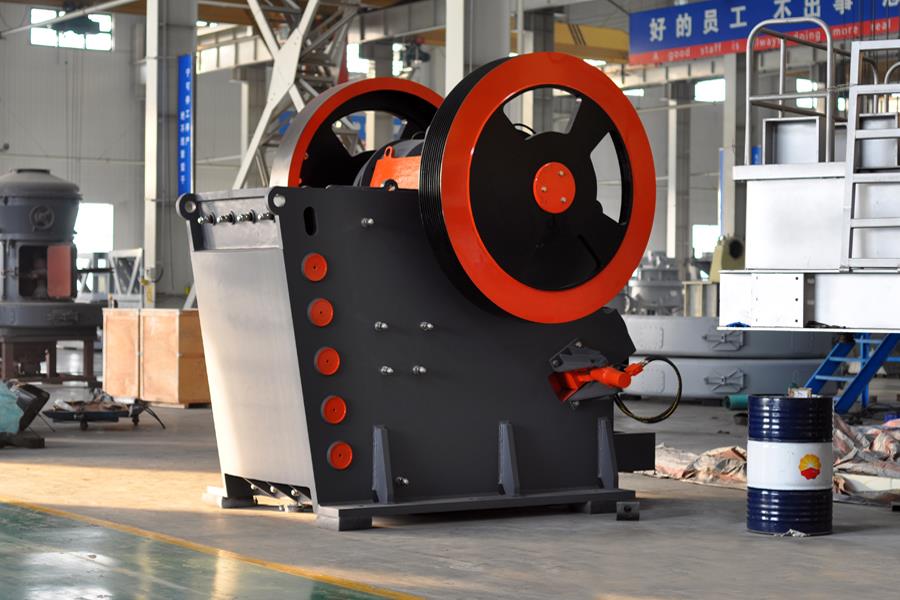
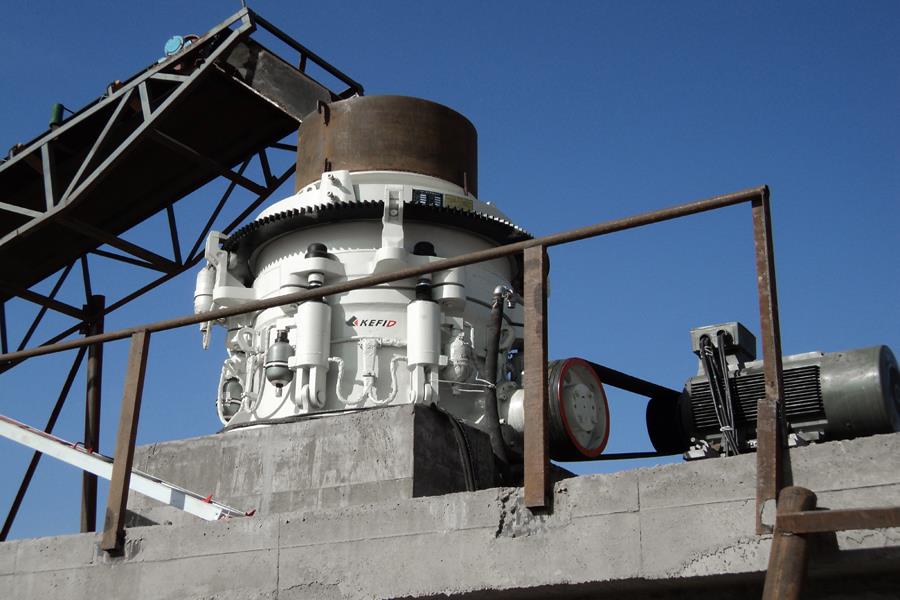
In any aggregate or mining operation, crusher liners—whether jaw plates, cone mantles, or impact blow bars—are consumable components that must be replaced regularly. Depending on the abrasiveness of the feed material, a liner changeover may be required every 500 to 2,000 operating hours. Each changeover typically requires 8 to 24 hours of downtime, during which the plant is not producing. For a 200 TPH operation, a 12-hour changeover means a loss of 2,400 tonnes of production. At a conservative price of USD 15 per tonne, that is USD 36,000 in lost revenue per event. Over the course of a year, with multiple changeovers, the cumulative loss can be substantial. Understanding how to reduce downtime during crusher liner changeover is therefore essential for maintaining profitability, meeting production targets, and improving the overall efficiency of the operation. At OCP Mechanical Company, with over 40 years of manufacturing experience, we design our PE Series jaw crushers, HST Series cone crushers, and impact crushers with features that facilitate faster liner changeovers, and we provide practical guidance to help operators implement efficient changeover procedures that minimise downtime.
Pre‑planning and preparation – the first step to a fast changeover
The single most effective way to reduce downtime during a crusher liner changeover is through thorough pre‑planning and preparation. Many changeover delays are caused by missing parts, incorrect tools, or inadequate planning. The following steps should be completed before the crusher is shut down. First, confirm that the correct replacement liners are on site and have been inspected for any damage. Second, ensure that all necessary tools—including torque wrenches, hydraulic pullers, lifting equipment, and the correct fasteners—are available and in good working order. Third, prepare the work area by cleaning the site and ensuring adequate lighting and ventilation. Fourth, schedule the changeover during a period of low demand, if possible, and inform all relevant personnel, including the maintenance team, the loader operators, and the plant supervisor. Fifth, review the manufacturer's procedure and ensure that all team members are aware of their roles. A well-prepared team can complete a changeover in significantly less time than a team that is working through issues as they arise. This is a fundamental element of how to reduce downtime during crusher liner changeover.
Using hydraulic tools to speed up the process
The use of hydraulic tools can dramatically reduce the time required for a liner changeover. Traditional methods, such as manual torque wrenches and sledgehammers, are slow and labour‑intensive. Hydraulic torque wrenches can tighten bolts to the correct torque in seconds, compared to minutes with a manual wrench. Hydraulic pullers can remove worn liners quickly and safely, without the need for cutting or heavy physical effort. For cone crushers, hydraulic clamping systems can release and secure the mantle and concave in a fraction of the time required for mechanical systems. The investment in hydraulic tools is quickly repaid through reduced downtime and reduced labour costs. When you are evaluating how to reduce downtime during crusher liner changeover, the use of hydraulic tools is one of the most impactful measures you can take. Our HST Series cone crushers are equipped with hydraulic clamping systems that simplify the changeover process, and we can provide recommendations on the best hydraulic tools for your specific crusher model.
Standardising the changeover procedure
A standardised changeover procedure ensures that every team member knows exactly what to do, reducing the risk of errors and delays. The procedure should be documented in a step‑by‑step format, with clear instructions for each task. The procedure should include: the sequence of steps for removing the old liners, the inspection of the crusher components, the preparation of the surfaces for the new liners, the installation of the new liners, the torquing of the bolts, and the post‑installation checks. A checklist should be used to ensure that no step is missed. The procedure should be reviewed regularly and updated based on lessons learned from previous changeovers. By standardising the procedure, operators can reduce the time required for a changeover and improve the consistency of the result. This is a key element of how to reduce downtime during crusher liner changeover. We provide detailed changeover checklists for all our crushers, and our after‑sales support includes training in the standardised procedure.
Carrying out parallel tasks during the changeover
While the crusher is down for a liner changeover, other maintenance tasks can be performed simultaneously. This approach, known as parallel tasking, maximises the value of the downtime. For example, while the liners are being replaced, the maintenance team can inspect the conveyor belts, clean the screen decks, lubricate the bearings, and check the electrical connections. The team can also perform any minor repairs that have been identified. By using the downtime effectively, operators can reduce the number of separate maintenance events required over the year, improving overall plant availability. This is a practical how to reduce downtime during crusher liner changeover strategy that requires good coordination and communication between the team members.
Maintaining an adequate inventory of spare liners
A lack of spare liners is a common cause of extended downtime during a changeover. If the replacement liners are not on site when the changeover is scheduled, the crusher may be down for days while the liners are sourced and delivered. To prevent this, operators should maintain an adequate inventory of spare liners for all crushers. The inventory level should be based on the planned changeover schedule and the supplier's lead time. For critical operations, it may be advisable to keep a complete set of spare liners on site at all times. The use of a liner tracking system, which monitors the wear on the liners and predicts the optimal replacement time, can help to ensure that the inventory is maintained at the correct level. By having the right liners on hand when needed, operators can significantly reduce downtime during a liner changeover. This is a foundational element of how to reduce downtime during crusher liner changeover.
Training and skills development
The skill of the maintenance team is a major factor in the duration of a liner changeover. A well‑trained team can complete a changeover quickly and correctly, while an inexperienced team may struggle and make mistakes. Training should cover the correct use of tools, the sequence of steps, the inspection of the crusher, and the safe handling of heavy components. Practical, hands‑on training is more effective than theoretical training alone. The training should be repeated periodically to maintain the team's skills and to introduce new techniques. By investing in training, operators can reduce the time required for a changeover and improve the quality of the work. This is a critical how to reduce downtime during crusher liner changeover strategy that pays for itself many times over.
Sample liner changeover time reduction strategies (For reference only)
| Strategy | Potential Time Saving |
|---|---|
| Pre‑planning and preparation | 20‑30% * |
| Use of hydraulic tools | 30‑50% * |
| Standardised procedure | 15‑25% * |
| Parallel tasking | 10‑20% (additional work completed) * |
| Adequate liner inventory | Eliminates waiting time * |
| Trained maintenance team | 20‑40% * |
All figures and recommendations are for reference only and are continuously updated. For the latest parameters, please consult our online customer service. Prices are for reference only and are subject to change based on configuration and market conditions. Actual results may vary depending on feed characteristics, operating conditions, and maintenance practices. OCP Mechanical reserves the right to update technical data and pricing without prior notice.
Why OCP Mechanical is your partner for reducing downtime and increasing productivity
With over 40 years of manufacturing experience, OCP Mechanical combines engineering excellence with practical, field‑tested knowledge of crusher operation and maintenance. We are a factory‑direct supplier, meaning you avoid the markups charged by dealers and intermediaries. Our crushers are designed with features that facilitate faster liner changeovers, and we provide comprehensive after‑sales support, including spare parts availability, technical assistance, and on‑site training. We are committed to helping you achieve the highest possible uptime and productivity from your crushing plant.
Conclusion – Implement these strategies and reduce your changeover downtime
Crusher liner changeovers are an unavoidable part of crushing plant operation, but they do not have to result in excessive downtime. By implementing the strategies outlined in this guide—pre‑planning, using hydraulic tools, standardising procedures, parallel tasking, maintaining inventory, and investing in training—you can significantly reduce the time required for a liner changeover and improve the overall availability of your plant. OCP Mechanical offers the equipment, expertise, and factory‑direct pricing you need to succeed. Our online customer service team is available 24/7 to provide free consultation, technical data, and a customised quotation for your operation. Click the chat button now – let us help you implement effective how to reduce downtime during crusher liner changeover strategies and build a more productive, profitable operation.
-
-
Impact crusher rotor balancing procedure after blow bar change
-
Jaw crusher discharge conveyor chute design to prevent blockage
-
How to integrate metal detector before cone crusher for copper
-