Comparison Single Cylinder vs Multi Cylinder Cone Crusher
For aggregate and mining operations in Brazil and North America, choosing between a single cylinder and a multi cylinder cone crusher affects crushing efficiency, product shape, and maintenance costs. Both designs use hydraulic systems for setting adjustment and overload protection, but their internal mechanics differ. Understanding the comparison single cylinder vs multi cylinder cone crusher helps you select the optimal machine for your hard rock application. OCP Mechanical Company supplies both types – Type C (single cylinder) and Type M (multi cylinder) – with factory‑direct pricing and 24/7 online support.
Design and Crushing Principle
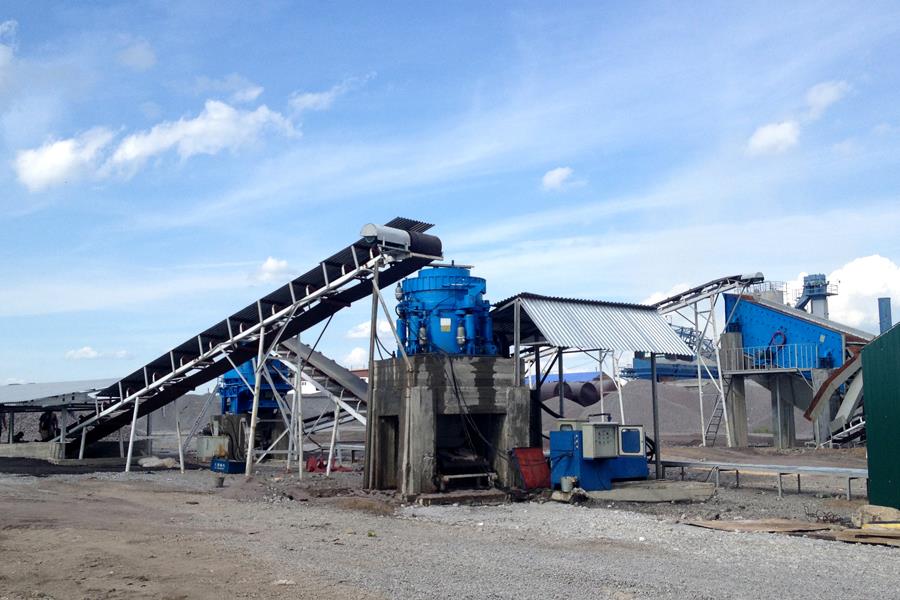
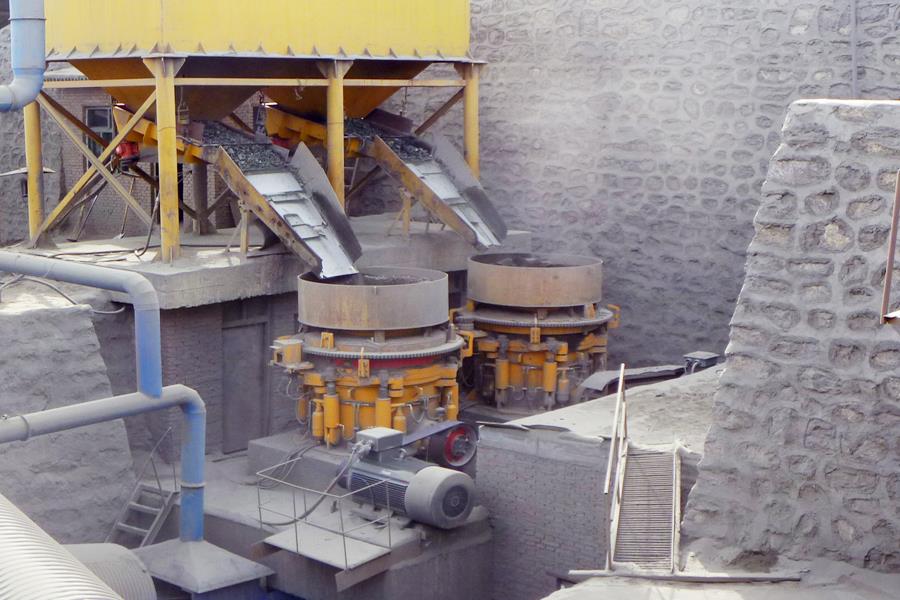
A single cylinder cone crusher (Type C) has a hydraulic cylinder supporting the main shaft. The CSS is adjusted by raising or lowering the mantle via the cylinder. This design offers a steep crushing chamber and a high stroke, providing a high reduction ratio (up to 6:1). A multi cylinder cone crusher (Type M) uses multiple hydraulic cylinders around the bowl to adjust the setting. The fixed shaft design allows for more consistent product shape but typically has a lower reduction ratio (3:1 to 5:1). In the comparison single cylinder vs multi cylinder cone crusher, single cylinder models are widely used for secondary and tertiary crushing of hard, abrasive rock like granite and iron ore, while multi cylinder units are often chosen for fine crushing and sand making due to their superior particle shape control.
Note: Product data are constantly updated; for the latest specifications of Type C and Type M, please contact our online customer service.
Many mines in Minas Gerais (Brazil) and Ontario (Canada) have adopted single cylinder crushers for their high throughput in secondary applications, while multi cylinder crushers are used in tertiary roles to improve flakiness index.
Performance and Wear Cost
Another key aspect of the comparison single cylinder vs multi cylinder cone crusher is operating cost. Single cylinder crushers typically have a higher power draw per ton (0.8‑1.2 kWh/t) due to their aggressive crushing action, but they also offer higher capacity at the same CSS. Multi cylinder crushers consume slightly less energy (0.7‑1.0 kWh/t) and produce a more cubical product with lower flakiness (10‑15% vs. 15‑20%). However, multi cylinder models have more complex hydraulic circuits and more wear parts (multiple cylinders, more seals), leading to higher maintenance costs. For hard rock, single cylinder liners (Mn18%+Cr) typically last 1,200‑2,000 hours; multi cylinder liners may last 1,000‑1,500 hours due to a different crushing motion. All performance and price data in this article are for reference only; contact our team for current, site‑specific comparisons.
Producers in the US and Canada often choose multi cylinder crushers for producing high‑spec concrete aggregates where shape is critical, despite higher initial cost.
Maintenance and Ease of Operation
The comparison single cylinder vs multi cylinder cone crusher also reveals differences in maintenance. Single cylinder crushers have fewer hydraulic components, making them easier and less expensive to service. Adjusting CSS with the single cylinder system takes only a few minutes via the control panel. Multi cylinder crushers require more precise pressure settings and have more points of potential oil leakage. However, multi cylinder units offer faster tramp iron release because multiple cylinders can lift the bowl instantly. For operations with limited access to skilled technicians, single cylinder models are widely preferred.
As a direct‑selling manufacturer, OCP provides both designs with factory‑direct pricing and stocks common wear parts (liners, dust seals, filters) in local warehouses. Our engineers can help you compare specific models based on your rock type, desired product shape, and throughput.
Which One Should You Choose?
The comparison single cylinder vs multi cylinder cone crusher leads to these practical recommendations:
Choose a single cylinder (Type C) for high‑capacity secondary/tertiary crushing of hard, abrasive rock where product shape is less critical (e.g., iron ore, copper ore, basalt). Lower capital cost and simpler maintenance.
Choose a multi cylinder (Type M) when you need the best cubical shape for high‑spec concrete aggregates or sand shaping. Higher upfront investment but better flakiness control.
For a no‑obligation consultation and a comparative performance analysis, simply click the live chat icon on this page. Our online customer service team is available 24 hours a day, 7 days a week, to answer your technical questions, provide free recommendations, and help you select the right cone crusher for your Brazilian or North American operation.