What Is the Optimal Speed for VSI Sand Making 200 tph
For sand producers in Saudi Arabia and the UAE, achieving the right rotor speed on a VSI (Type V) is critical to balance sand shape, throughput, and wear part life. The question what is the optimal speed for VSI sand making 200 tph does not have a single fixed number; it depends on rock hardness, feed size, and desired sand gradation. For most hard rock applications (gabbro, granite, and basalt common in the Gulf region), a rotor speed in the range of 1,500–1,700 rpm is widely considered a practical starting point. Below we explain how to fine‑tune speed for your specific material and how OCP Mechanical Company supports your operation with factory‑direct VSI and 24/7 online assistance.
Factors That Influence Optimal Rotor Speed
The optimal speed for VSI sand making 200 tph is influenced by three main variables:
Rock hardness – Harder rock (gabbro, quartzite) requires higher rotor speed (1,600‑1,800 rpm) to generate sufficient impact energy for breaking. Softer rock (limestone) can be crushed effectively at 1,400‑1,600 rpm, saving energy and reducing tip wear.
Desired sand fineness – For concrete sand (0‑5 mm with 70‑80% passing 2.36 mm), moderate speed (1,500‑1,600 rpm) produces a balanced gradation. Higher speed (1,700‑1,800 rpm) increases fines (less than 0.075 mm), which may exceed specification limits.
Feed size – A VSI fed with 10‑40 mm material performs best at 1,500‑1,700 rpm. Oversize feed (>50 mm) requires higher speed to fracture, but may damage tips.
Note: Product data are constantly updated; for the latest speed guidelines, please contact our online customer service.
Many sand plants in Fujairah and Riyadh have found that reducing rotor speed by 100‑200 rpm from the maximum cuts tip consumption by 20‑30% while still meeting concrete sand standards.
Recommended Speed Range for 200 tph in Gulf Conditions
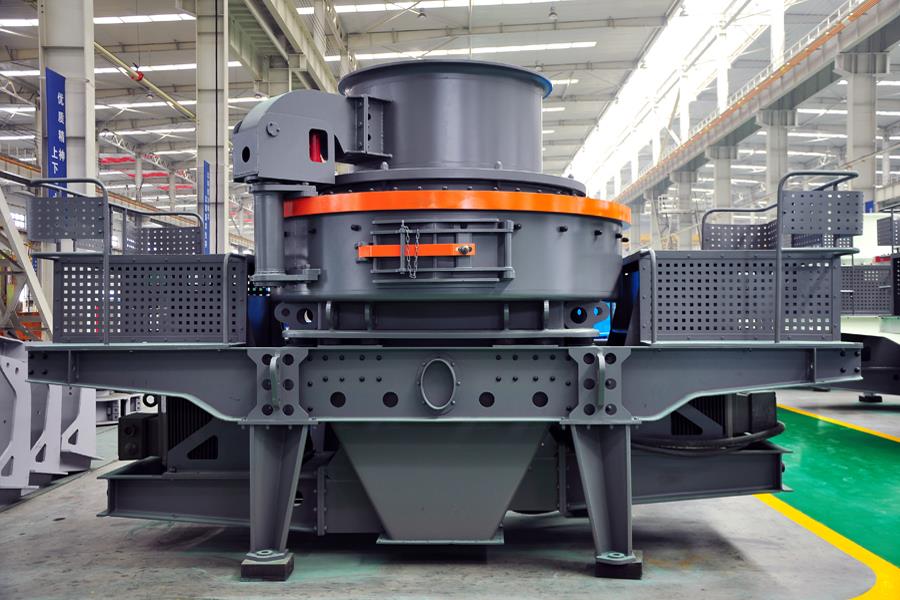
Based on experience with Gulf hard rock, the optimal speed for VSI sand making 200 tph for gabbro and granite is typically 1,550–1,650 rpm. At this range, a Type V‑200 VSI (220‑315 kW) can produce 180‑220 tph of 0‑5 mm sand with a flakiness index below 15%. For softer limestone or recycled materials, 1,450–1,550 rpm is sufficient, reducing energy consumption by 5‑10%. To determine the exact speed for your feed, run a test at 1,500 rpm, measure the sand gradation, then adjust in 50‑rpm increments. Keep a sample log. All performance and price data in this article are for reference only; contact our team for a current, site‑specific tuning recommendation.
Producers in Dubai have successfully operated their 200 tph VSI at 1,600 rpm, achieving tip life of 120‑150 hours in gabbro with excellent sand shape.
Benefits of a Variable Frequency Drive (VFD)
To fine‑tune what is the optimal speed for VSI sand making 200 tph, a variable frequency drive (VFD) is a widely used tool. A VFD allows you to adjust rotor speed from the control panel while the crusher is running, without mechanical changes. This flexibility lets you:
Match speed to rock type – Lower speed for soft limestone, higher for hard gabbro.
Respond to liner wear – Slightly increase speed as tips wear to maintain production.
Save energy – Operating at 1,500 rpm instead of 1,700 rpm reduces power draw by 15‑20% with minimal impact on shape.
OCP’s Type V VSI comes standard with a VFD on models above 160 kW. Many Gulf operators have reduced annual energy costs by 8‑12% after optimizing their rotor speed.
How to Find Your Optimal Speed
To determine the optimal speed for VSI sand making 200 tph for your specific material, follow this practical process:
Start at 1,550 rpm – Run the VSI with clean, dry feed (10‑40 mm).
Collect and sieve a product sample – Compare to your target gradation (e.g., ASTM C33).
Adjust speed – If product is too coarse (low fines), increase speed by 50 rpm. If too much fine (below spec), decrease speed by 50 rpm.
Monitor tip wear – After 50 hours, inspect tips; if wear is excessive (>1 mm per 10 hours), reduce speed by 50 rpm.
OCP’s engineers can remotely assist you in this tuning process using live video and data logs. We keep common VFD parts and rotor tips in our Jeddah and Dubai warehouses for fast delivery.
For a no‑obligation consultation and personalized advice on what is the optimal speed for VSI sand making 200 tph, simply click the live chat icon on this page. Our online customer service team is available 24 hours a day, 7 days a week, to answer your technical questions, provide free recommendations, and help you achieve the perfect balance of sand quality and wear life.