Common Aggregate Crushing Equipment Output Specifications and Equipment Types
With the rapid development of the infrastructure sector, there exists a significant supply gap for sand and gravel aggregates, which are among the primary materials in construction projects. Consequently, regions are actively promoting the mechanised sand industry to balance demand and supply. What specifications are required for aggregates used in construction projects?
Aggregates are extensively utilised in infrastructure sectors such as highways, railways, and bridges. Different applications impose varying specifications on stone materials. Generally, crushed stone requires a particle size below 4.75 millimetres. Sand is graded according to its fineness modulus (a higher modulus indicates coarser sand):
Coarse sand: Fineness modulus 3.7–3.1, average particle size ≥0.5mm;
Medium sand: Fineness modulus 3.0–2.3, average particle size 0.5–0.35mm;
Fine sand: Fineness modulus 2.2–1.6, average particle size 0.35–0.25mm;
Extra-fine sand: Fineness modulus 1.5–0.7, average particle size below 0.25 mm.
What are the common crushing equipment used in sand and gravel plants?
1. Jaw Crusher
The jaw crusher essentially handles the primary crushing stage of the entire sand and gravel production line. Featuring a simple structure and high crushing ratio, it reduces large material particles to below 400mm through the repetitive motion of moving and fixed jaw plates, supplying appropriately sized material for subsequent secondary crushing. Feed size: 120-1500mm; Capacity: 1-2000t/h.
2. Cone Crusher
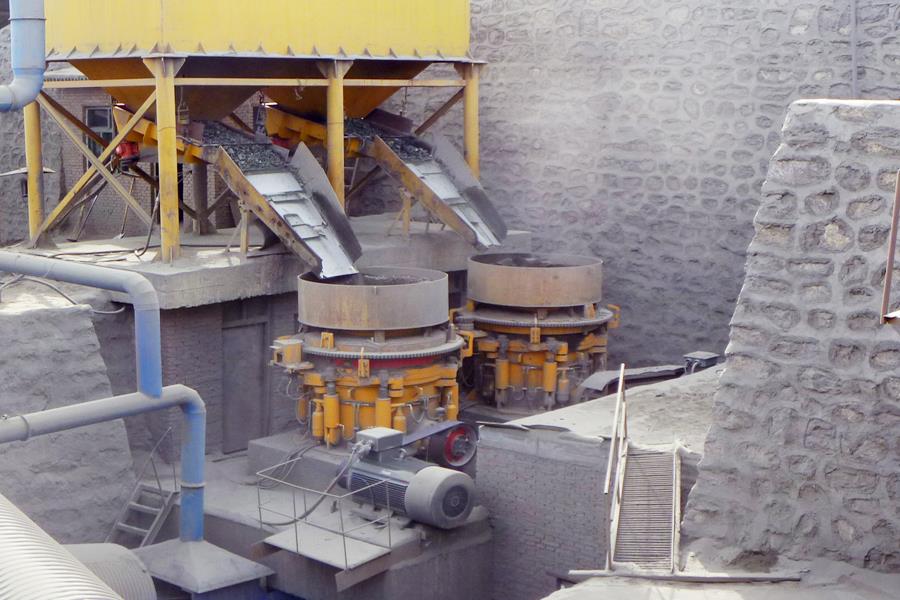
Employing the principle of laminar crushing, the cone crusher ingeniously combines its crushing chamber configuration with crushing frequency. This design eliminates crushing blind spots and minimises over-crushing, producing predominantly cubic-shaped output. It significantly reduces the generation of needle-like, flaky particles and fine powder. Available in primary, secondary, and tertiary crushing models. Feed size: 65–300 mm. Product size: 3–60 mm. Capacity: 12–1000 t/h.
3. Impact Crusher
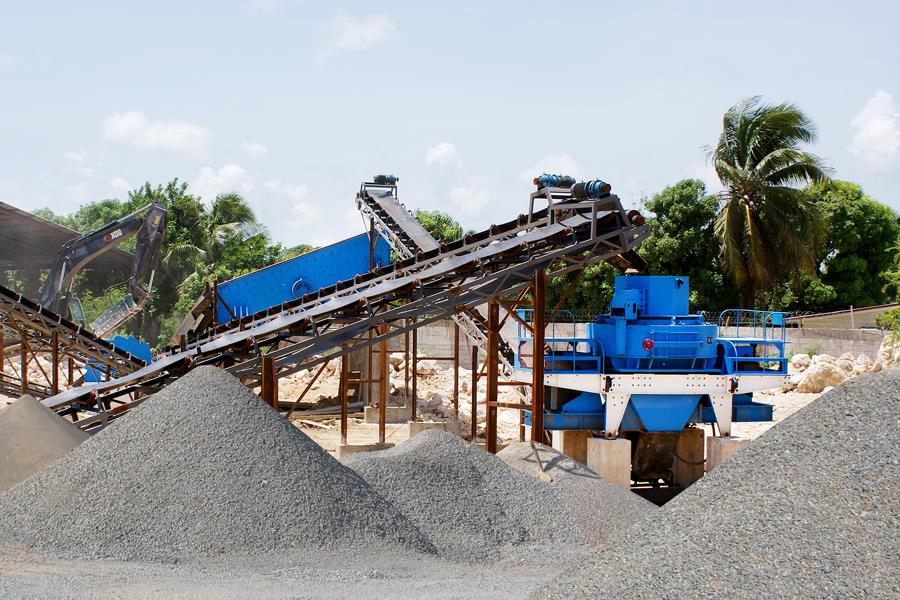
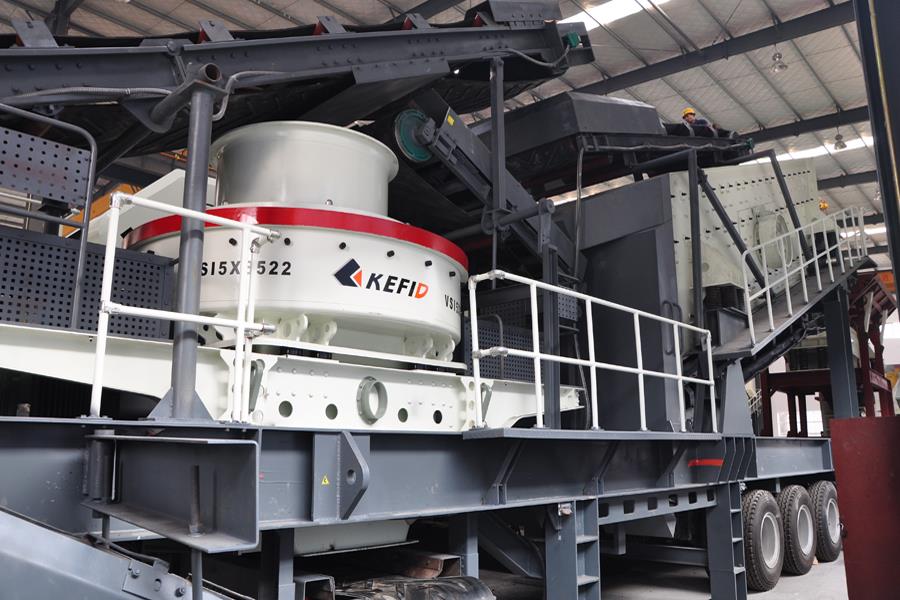
The vertical impact crusher, developed by OCP Heavy Industry in the 1980s, employs a hybrid ‘stone-on-stone’ and ‘stone-on-iron’ crushing mechanism. It simultaneously produces sand and shapes aggregates, yielding well-formed cubic particles free from tension cracks. The fineness modulus is adjustable, ensuring optimal gradation with minimal associated stone powder. Feed size: 30–60mm. Produces standard manufactured sand with particles smaller than 4.75mm. Processing capacity: 12–650 tonnes per hour.
Note: All data mentioned herein is subject to updates as equipment undergoes continuous development. Click our website customer service for the latest equipment specification sheet.
Given the wide variety of crusher types and models, pricing varies per unit. When selecting a crusher, we will recommend suitable equipment models and pricing based on your specific requirements. Contact our customer service directly online for assistance with any crusher-related queries. Website customer service is available 24 hours for complimentary consultation.
-
-
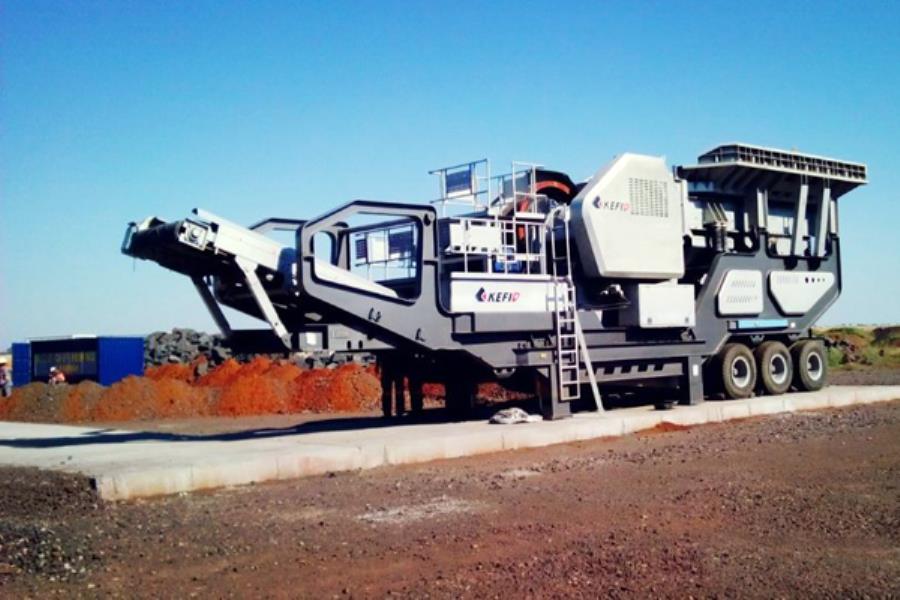
Classification and Characteristics of Mobile Sand-Making Machines
-
What types of crushers are required for copper ore processing
-
-