Best Way to Crush River Pebble into Sand 120 tph
For sand producers in Indonesia and the Philippines, finding the best way to crush river pebble into sand 120 tph is essential for producing high‑quality manufactured sand economically. River pebble is hard (7‑8 Mohs) and highly abrasive, requiring a well‑designed crushing circuit. The most effective method combines a vertical shaft impactor (VSI) with a closed‑circuit screen. Below we explain the recommended process, key parameters, and how OCP Mechanical Company helps you achieve consistent output.
Why a VSI Is the Core of the Best Way to Crush River Pebble
When determining the best way to crush river pebble into sand 120 tph, a VSI (Type V) is the preferred machine because it produces cubical particles with low flakiness – ideal for concrete sand. Unlike cone crushers that create elongated grains, a VSI uses rock‑on‑rock impact to break pebbles along natural grain boundaries.
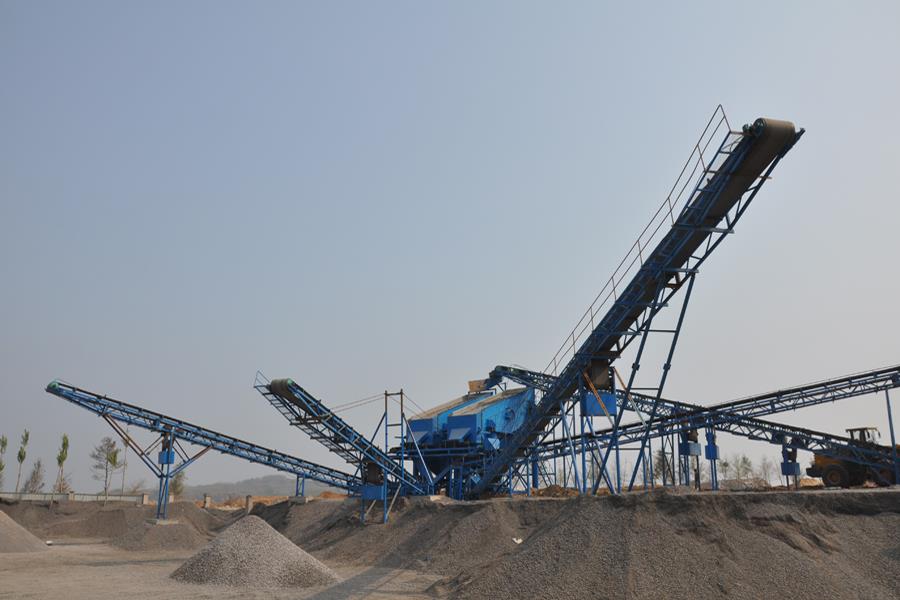
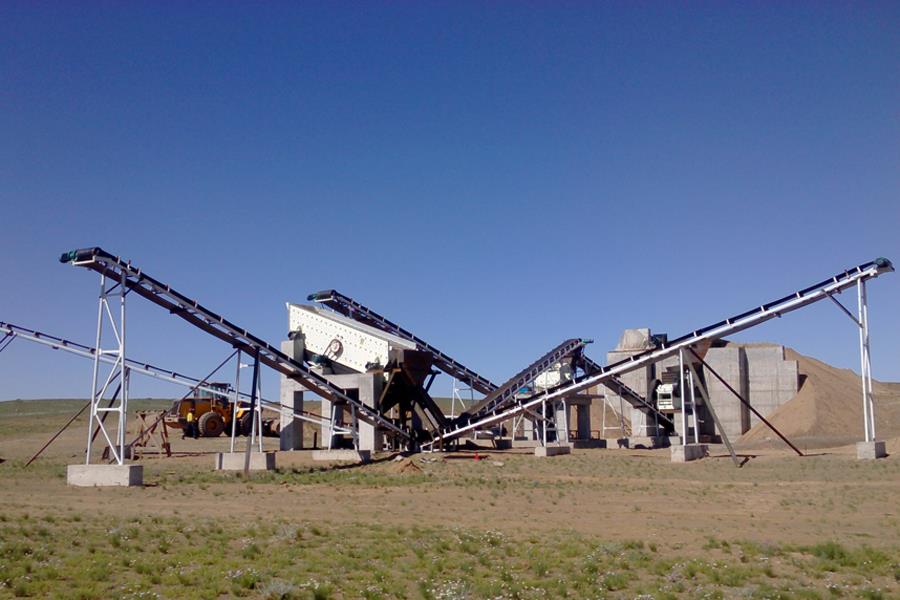
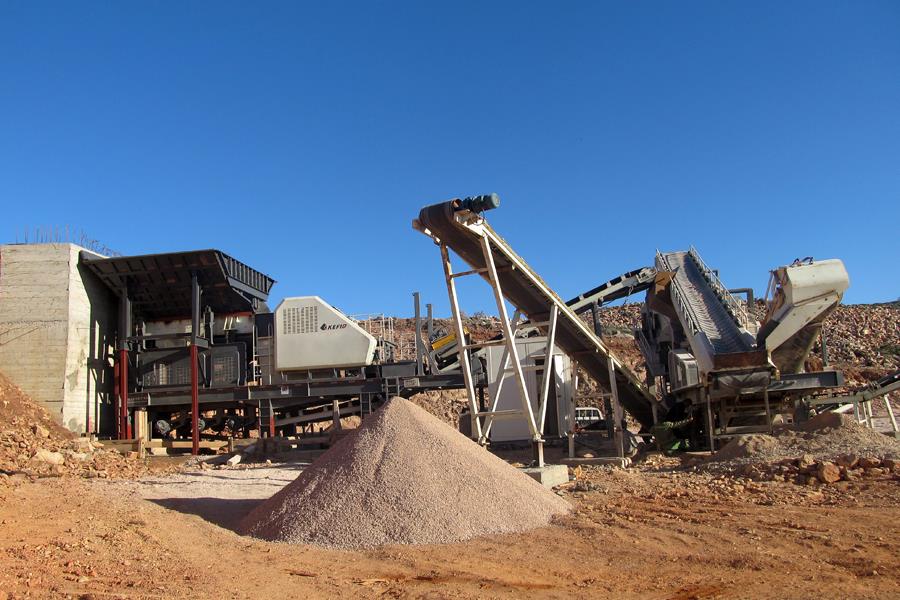
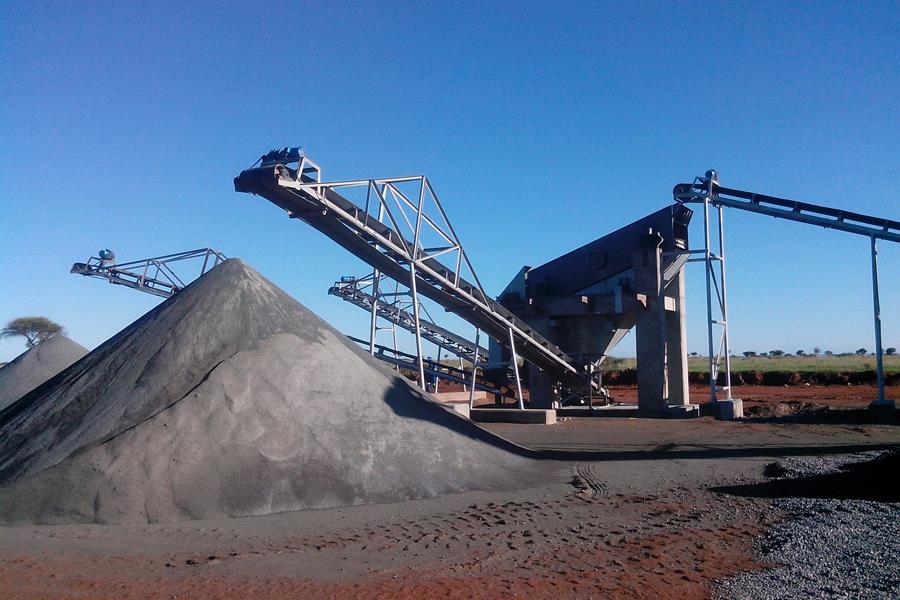
A typical circuit for best way to crush river pebble into sand 120 tph includes:
Primary jaw crusher (Type J) to reduce 200‑400 mm feed to 40‑60 mm.
Secondary cone crusher (Type C) optional for further reduction to 10‑40 mm.
VSI (Type V) with rock‑on‑rock chamber and tungsten carbide tips.
Vibrating screen (1,800 x 5,000 mm) with 5 mm apertures, returning oversize to the VSI.
Note: Product data are constantly updated; for the latest specifications of Type J, Type C, and Type V, please contact our online customer service.
Typical parameters for the best way to crush river pebble into sand 120 tph (for illustration only; actual data subject to continuous improvement):
VSI rotor speed: 1,500‑1,700 rpm
Feed size to VSI: 10‑40 mm
Tip life (tungsten carbide): 80‑120 hours (processing 8,000‑12,000 tons per set)
Final sand: 0‑5 mm, cubical, low flakiness
The above values are for illustration only. OCP continuously improves its products. Contact our online team for the most current data sheet.
Many sand plants in Java and Luzon have adopted this VSI‑based circuit as the best way to crush river pebble into sand 120 tph, reporting consistent gradation and manageable wear costs.
Key Steps to Optimize the Best Way to Crush River Pebble
To achieve 120 tph reliably, follow these practical steps for the best way to crush river pebble into sand 120 tph:
Pre‑screen fines – Remove material below 5 mm before the VSI. This reduces unnecessary tip wear and increases effective capacity.
Control feed size – Feed the VSI with 10‑40 mm particles. Oversize lumps (>50 mm) cause impact damage and reduce tip life.
Optimize rotor speed – Run at 1,500‑1,600 rpm for a balance between sand shape and tip wear. Higher speed (1,800 rpm) improves cubicity but reduces tip life by 20‑30%.
Use a closed circuit – Return screen oversize (+5 mm) to the VSI. This ensures each particle is impacted only once per pass, improving efficiency.
OCP’s Type V VSI includes a variable frequency drive (VFD) for easy speed adjustment and quick‑change tip holders. Many operators find that with proper feed control, a set of carbide tips processes 10,000‑14,000 tons of river pebble.
To maintain the best way to crush river pebble into sand 120 tph, we recommend:
Inspecting rotor tips every 40 hours and rotating them when uneven wear appears.
Keeping a spare set of tips, feed tube, and screen panels in stock.
Monitoring motor current to detect overloading or feed issues.
Cost‑Saving Tips for River Pebble Sand Production
Even with the best way to crush river pebble into sand 120 tph, wear part cost is a major expense. Here are proven methods to reduce your cost per ton:
Choose tungsten carbide tips – They cost more upfront but last 3‑4 times longer than chrome iron tips in river pebble.
Use a cascade feed option – Bypassing 20‑30% of material directly to the chamber reduces tip wear while maintaining throughput.
Install a metal detector – Protect the VSI from tramp iron (common in river pebble from dredging operations).
Schedule regular tip rotation – Extends tip life by 15‑20% by distributing wear evenly.
OCP’s direct‑selling model provides factory pricing on all wear parts, with no middleman markup. We keep common Type V tips in our Jakarta and Manila warehouses for fast delivery.
Why OCP Is Your Partner for River Pebble Sand
Understanding the best way to crush river pebble into sand 120 tph is only half the solution; you also need a reliable equipment supplier. OCP Mechanical Company has over 40 years of history in crushing technology. We offer:
Free pre‑sale testing on your river pebble sample to predict tip life and sand gradation.
A customized quotation including VSI, screen, and optional jaw/cone stages.
24/7 online technical support for installation, tuning, and wear part replacement.
Our Type V VSI has been successfully deployed in river pebble sand plants across Indonesia, the Philippines, and other Southeast Asian countries. Customers often highlight the cubical sand shape, predictable wear costs, and economical price.
For a no‑obligation consultation and to learn more about the best way to crush river pebble into sand 120 tph for your specific material, simply click the live chat icon on this page. Our online customer service team is available 24 hours a day, 7 days a week, to answer your technical questions, provide free advice on circuit design, and help you turn river pebble into profit.