For hard basalt quarries in Vietnam and Uzbekistan, proper cone crusher cavity selection for hard basalt 250 tph is critical to achieving consistent product size, maximizing liner life, and controlling operating costs. Basalt is highly abrasive and has high compressive strength, so choosing the right cavity profile – standard, short head, or extra fine – directly affects your crushing efficiency. Below we explain how to match cavity type to your application and how OCP Mechanical Company supports basalt producers.
Standard vs. Short Head Cavity for Basalt
When performing cone crusher cavity selection for hard basalt 250 tph, the first decision is between a standard cavity and a short head cavity.
Standard cavity – Designed for coarse secondary crushing. It has a wider feed opening (typically 50‑80 mm CSS) and a steeper crushing chamber. Suitable when your feed size is 100‑200 mm and you need a product of 30‑50 mm.
Short head cavity – Designed for fine tertiary crushing. It has a narrower feed opening (20‑40 mm) and a longer parallel zone, producing a finer product (10‑25 mm). Ideal for preparing feed for a VSI or for aggregate final sizing.
For a 250 tph basalt line, a common configuration is a standard cavity cone crusher for secondary crushing, followed by a short head cone crusher for tertiary reduction. However, if your target product is 20‑30 mm aggregate, a single short head cone crusher in closed circuit with a screen may suffice.
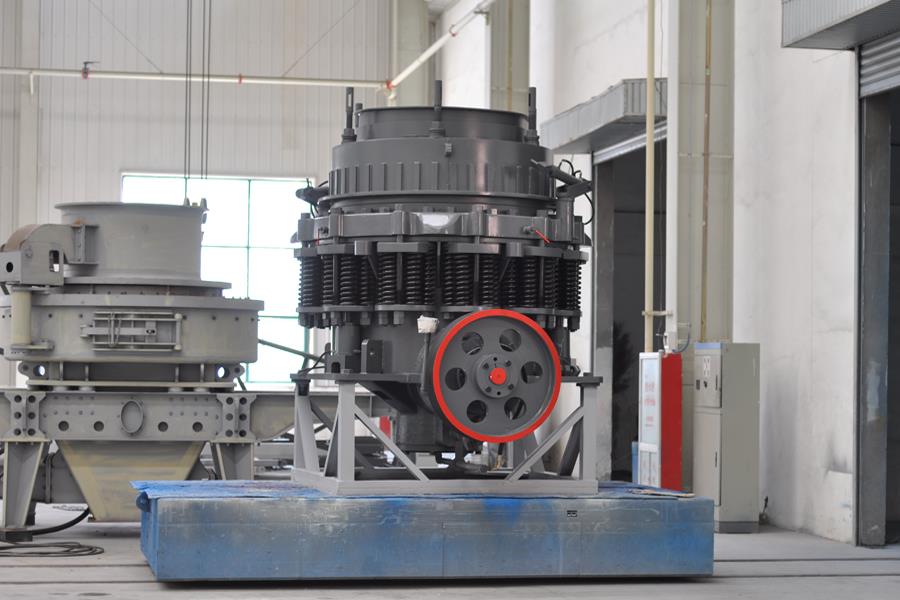
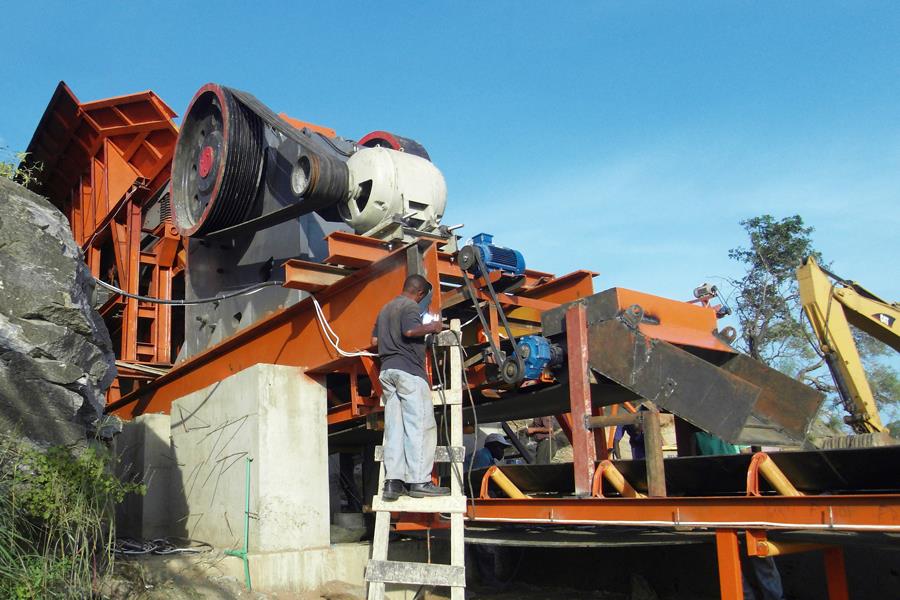
OCP offers the Type C cone crusher with interchangeable cavities. Note: Product data are constantly updated; for the latest specifications of Type C, please contact our online customer service.
Typical parameters for cone crusher cavity selection for hard basalt 250 tph (for illustration only; actual data subject to continuous improvement):
The above values are for illustration only. OCP continuously improves its products. Contact our online team for the most current data sheet.
Many basalt quarries in Tashkent region and central Vietnam have adopted a short head cavity as the final crusher before screening, reporting stable product shape and acceptable liner wear.
How Cavity Profile Affects Liner Wear and Power
Another key aspect of cone crusher cavity selection for hard basalt 250 tph is understanding how cavity profile influences wear distribution and energy consumption:
Standard cavity – Wear is concentrated in the upper chamber. Liners typically last 1,200‑1,800 hours in basalt. Power draw is relatively lower due to coarser crushing.
Short head cavity – Wear is more uniform along the parallel zone. Liners may last 1,000‑1,500 hours in basalt because of the tighter CSS and longer contact. Power draw is higher (by 10‑15%) due to finer reduction.
For 250 tph, using a short head cavity with a closed circuit screen often reduces recirculation load, offsetting the higher power consumption. Many operators in Vietnam’s central highlands have found that switching from standard to short head for final aggregate production improved product cubicity by 10‑15%.
To optimize cone crusher cavity selection for hard basalt 250 tph, we recommend:
Performing a feed analysis – if your feed contains more than 30% fines below CSS, a short head cavity may experience packing. Use a standard cavity instead.
Choosing Mn18%+Cr liners for both cavity types to extend wear life in basalt.
Monitoring motor current and adjusting CSS weekly to maintain consistent product.
Practical Guidelines for Your Application
When making cone crusher cavity selection for hard basalt 250 tph, follow these practical guidelines based on your product needs:
For concrete aggregates (10‑25 mm) – Use a short head cavity in closed circuit with a 20 mm screen. Return oversize to the cone crusher.
For road base (0‑40 mm) – A standard cavity with CSS at 35‑40 mm is sufficient.
For feed to a VSI for sand making – Use a short head cavity with CSS at 10‑15 mm to produce 0‑20 mm feed for the VSI.
OCP’s Type C cone crusher allows cavity change by replacing the mantle and bowl liner. We can supply both standard and short head liners for the same crusher frame, giving you flexibility.
As a direct‑selling manufacturer, OCP provides factory pricing on cone crushers and wear parts, with no middleman markup. We ship to Haiphong or Tashkent ports within 20‑25 days.
Why OCP Is Your Partner for Basalt Crushing
Understanding cone crusher cavity selection for hard basalt 250 tph is just one part of efficient operation. OCP Mechanical Company has over 40 years of history in crushing equipment. We offer:
Free pre‑sale testing on your basalt sample to recommend the optimal cavity and CSS range.
A detailed quotation including a starter set of liners for your chosen cavity.
24/7 online technical support for installation, tuning, and liner replacement.
Our Type C cone crushers have been successfully deployed in basalt projects across Southeast Asia and Central Asia. Customers often highlight the robust construction, predictable wear costs, and economical price.
For a no‑obligation consultation and personalized advice on cone crusher cavity selection for hard basalt 250 tph for your quarry, simply click the live chat icon on this page. Our online customer service team is available 24 hours a day, 7 days a week, to answer your technical questions, provide free recommendations, and help you optimize your basalt crushing line.