Best practices for feeding a VSI with cascade system
Understand the cascade system function
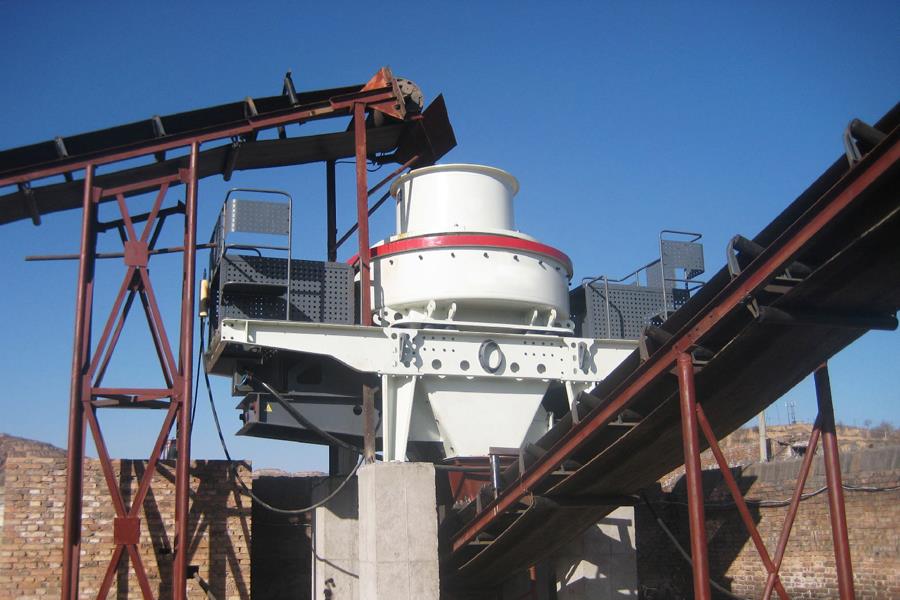
A VSI crusher with cascade system allows a portion of feed material to bypass the rotor and flow directly through the crushing chamber, creating a “rock curtain” that cushions impacts and improves particle shape. To apply best practices for feeding a VSI with cascade system, you first need to know how the cascade gate or air-swept system works. Typically, 20-35% of total feed is diverted to cascade, while the remainder enters the rotor for acceleration. This reduces wear on rotor tips and anvils while producing a more cubical product. In Vietnamese and Uzbekistani sand plants, proper cascade adjustment has been shown to lower wear part consumption by 25-40%. Actual cascade ratio depends on feed size, rock hardness, and desired output gradation. Consult OCP engineers for site-specific tuning.
Set the correct cascade ratio
One of the most critical best practices for feeding a VSI with cascade system is selecting the right split between rotor-fed and cascade-fed material. A good starting point is 30% cascade, 70% rotor for medium-hard rock (limestone, andesite). For harder stone (granite, basalt), reduce cascade to 20-25% to maintain sufficient crushing energy. For softer material or sand production, increase to 35% to maximize particle-on-particle action. Use the adjustable cascade gate or frequency-controlled air valve (Type C-100) on OCP’s Type VS VSI to fine-tune. Monitor motor current: if amperage drops unexpectedly, the cascade ratio may be too high, reducing crushing load.
Maintain consistent choke feeding
Even with cascade, the VSI must be choke-fed to achieve stable performance. A key best practice for feeding a VSI with cascade system is to keep the feed funnel 100% full at all times. An empty or surging feed causes the rotor to throw material unevenly, wasting energy and increasing wear. Install a level sensor in the feed hopper connected to the upstream feeder. For 80-120 tph plants in Vietnam or Uzbekistan, OCP recommends a variable-speed belt feeder (Type VB-80) to maintain constant material level. Never run the VSI with the feed hopper less than 50% full – this leads to rotor imbalance and reduced cascade effectiveness.
Optimize feed size and gradation
The cascade system works best with a well-graded feed. When practicing best practices for feeding a VSI with cascade system, ensure that maximum feed size does not exceed 50-60% of rotor diameter (e.g., for a 1,000mm rotor, max feed 40-50mm). Remove ultra-fines (-3mm) ahead of the VSI using a pre-screen – fines tend to pack in the cascade channel and reduce airflow. Aim for a feed with less than 15% of particles below 5mm entering the VSI. In many successful Uzbekistani sand lines, a double-deck screen ahead of the VSI scalps off both oversize (+40mm) and fines (-5mm), leaving a 5-40mm fraction that works ideally with cascade.
Adjust rotor speed and cascade air
The interaction between rotor tip speed and cascade air (or gravity flow) is another factor in best practices for feeding a VSI with cascade system. For a cascade system using air (Type AS), increase air volume by 10-15% when rotor speed exceeds 55 m/s – this prevents material from sticking in the cascade chute. For gravity cascade (slide gate), ensure the gate opening is at least 1.5x the largest feed particle to avoid bridging. OCP’s VSI crushers feature digital controls that link cascade gate position with rotor speed, automatically maintaining the optimal ratio as conditions change. *Production data are based on typical aggregates; for latest parameters, contact our 24/7 support.*
Why OCP VSI with cascade is a cost-effective choice
With over 40 years of experience, OCP Mechanical Company designs VSI crushers with precision cascade systems – available on Type VS-90, VS-120, and VS-150 models. As a direct manufacturer serving Vietnam and Uzbekistan, we offer factory-direct pricing and fast spare parts delivery (rotors, cascade gates, anvils). Following best practices for feeding a VSI with cascade system can double the life of your rotor tips and reduce power consumption by 10-15%. We provide free remote consulting to help you set the ideal cascade ratio, rotor speed, and feed configuration for your specific rock. Prices are for reference only; final quotes depend on model, automation level, and shipping. OCP reserves the right to update technical data without prior notice.
Need expert guidance on your VSI cascade setup? Our customer service team is online 24/7 – click the chat button for free quote, customized cascade recommendations, or a wear life analysis. Let OCP help you produce premium sand at lower cost.