How to integrate a metal detector before cone crusher for gold ore
Why metal detection is critical before a cone crusher
In gold ore processing, tramp metal (digger teeth, blasting caps, bolts, or broken mill liners) frequently enters the crushing circuit. When this metal reaches a cone crusher, it can cause severe damage: cracked mantle, broken bowl liner, or even a destroyed main shaft. Learning how to integrate a metal detector before cone crusher for gold ore is essential to avoid costly downtime – a single tramp metal event can cost a mine $50,000+ in repairs and lost production. In Ghanaian and South African gold mines, metal detectors are now standard equipment ahead of secondary and tertiary cone crushers. Actual protection level depends on detector sensitivity and belt speed. Always test with representative tramp metal samples.
Select the right metal detector type
The first step in how to integrate a metal detector before cone crusher for gold ore is choosing the appropriate detector. For most gold ore applications (non-magnetic ore, belt widths 800-1,400mm), a flat conveyor-mounted metal detector (Type MD-20) is widely used. It detects both ferrous and non-ferrous metals (manganese steel, stainless steel, brass). For ores with high magnetite content, a pulse induction detector (Type PI-100) performs better. Avoid standard industrial detectors designed for light duty – they may miss small tramp metal. OCP offers tramp metal test kits to verify detector sensitivity before installation. Detection depth varies with metal type and size; a 50mm steel ball should be detectable at 150mm above the belt.
Optimal placement and belt configuration
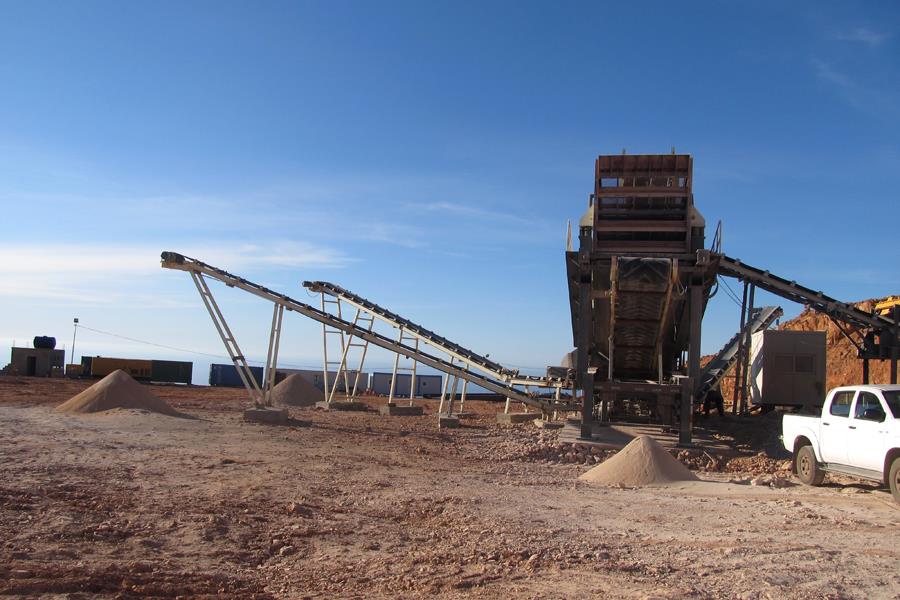
Proper positioning is critical when implementing how to integrate a metal detector before cone crusher for gold ore. Install the detector 6-10 meters upstream of the cone crusher feed chute – close enough to allow the belt to stop before metal enters the crusher, but far enough to prevent false signals from the crusher’s magnetic field. The detector should be mounted 100-150mm above the belt surface, with the belt running at 1-1.5 m/s. Use a non-metallic slider bed or impact idlers in the detector zone – steel idlers will trigger false alarms. Also, install a metal-free zone (no steel structure within 500mm of the detector coil). Conveyor belt splices must be non-metallic; use finger splices or vulcanized joints.
Connect to an automatic rejection system
A detector alone is not enough. A complete solution for how to integrate a metal detector before cone crusher for gold ore includes an automatic tramp metal removal system. The most common setup: when metal is detected, a reversing belt or a hydraulic flop gate diverts the contaminated material into a reject bin. Alternatively, a fast-acting belt stopper (Type BS-200) halts the conveyor within 1-2 seconds, and an alarm signals an operator to remove the metal manually. In South African gold plants, OCP recommends a two-stage system: detector + magnet for ferrous metal, plus a flop gate for non-ferrous. Response time must be under 3 seconds to prevent metal from reaching the crusher at typical belt speeds.
Testing and maintenance best practices
After installation, ongoing attention ensures reliable protection. To master how to integrate a metal detector before cone crusher for gold ore, follow these routines:
Daily test – Pass test pieces (a 25mm steel ball, a 30mm manganese bar) over the detector to verify function.
Weekly calibration – Adjust sensitivity to account for belt wear or ore composition changes.
Monthly inspection – Clean the detector coil and check for damage to the non-metallic support structure.
Log all tramp metal events – Analyze type and source to improve upstream screening or blasting practices.
False alarms can occur with wet ore or high iron content; use a “track and hold” filter on the detector controller to reduce nuisance trips.
Why OCP provides complete metal protection solutions
With over 40 years of experience, OCP Mechanical Company supplies integrated metal detection and removal systems for cone crusher feed belts. As a direct manufacturer serving Ghana and South Africa, we offer cost-effective pricing on detectors, flop gates, belt stoppers, and magnets. For how to integrate a metal detector before cone crusher for gold ore, we recommend our Type MDC-200 package: metal detector, PLC controller, hydraulic flop gate, and reject chute – pre-wired for fast installation. We provide free site layout drawings and remote commissioning support. Prices are for reference only; final quotes depend on belt width, detector type, and shipping. OCP reserves the right to update technical data without prior notice.
Need to protect your cone crusher from tramp metal? Our customer service team is online 24/7 – click the chat button for free consulting, a customized detection plan, or a no-obligation quote. Let OCP help you avoid costly crusher damage in your gold ore line.