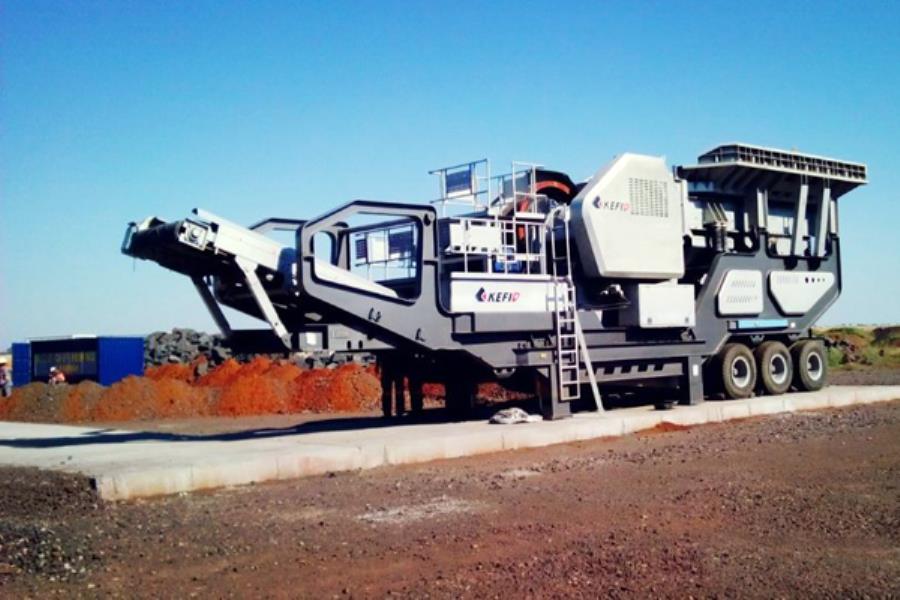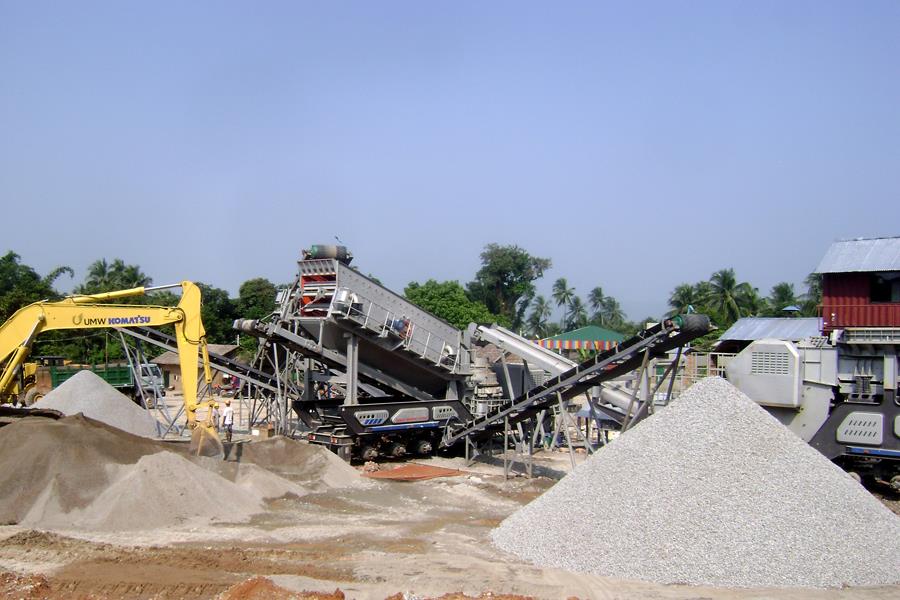
170 TPH Talc Impact Crusher Maintenance Tips for Turkish Operations
Turkey‘s Talc Industry: A Market with Growing Potential
Turkey possesses significant talc reserves, with estimated deposits of approximately 2.5 to 3.0 million tons located primarily around the Kepsut-Örenli, Sergeören, and Yaylabasi regions. Active talc production occurs across multiple provinces including Aydın, Kütahya, Sivas, and Balıkesir, with operations supplying diverse industries from ceramics and paint to food and cosmetics. The country‘s mining sector has grown more than fourfold over the past two decades, with annual mineral exports climbing sevenfold to reach $6 billion. Turkey hosts 70 of the 90 globally traded minerals and maintains active commercial operations in 60 of them. The Turkey mining equipment market is projected to grow from USD 106.67 million in 2026 to USD 146.98 million by 2031, at a CAGR of 6.62%, driven by rising domestic demand from construction, manufacturing, and industrial mineral processing. For operators running a 170 TPH talc impact crusher in Turkey, implementing effective maintenance practices is essential to maximising uptime, controlling operating costs, and maintaining consistent product quality for demanding industrial applications.
Understanding Talc and Its Impact on Crusher Performance
Talc is a soft, platy mineral with a Mohs hardness of 1, making it the softest mineral on the scale. Unlike hard, abrasive materials such as granite or basalt, talc presents different challenges for impact crushers. Its softness means that blow bar wear is generally less aggressive than in hard rock applications. However, talc‘s platy structure can create packing and build-up issues in the crushing chamber if feed moisture is not properly controlled. Additionally, talc often occurs in association with other minerals such as dolomite, calcite, magnesite, and chlorite, which can introduce variability in feed hardness and abrasiveness. For a 170 TPH talc impact crusher, understanding your specific ore characteristics—including moisture content, associated mineralogy, and feed size distribution—is the first step toward developing an effective maintenance programme. Operators should conduct regular feed analysis to identify any changes in material composition that could affect crusher performance or wear patterns.
Blow Bar Inspection and Replacement: The Foundation of Impact Crusher Maintenance
Blow bars are the most critical wear components in an impact crusher, and their condition directly determines crushing efficiency, product quality, and operating costs. Blow bar wear and rotor imbalance are the two most common reasons an impact crusher goes down unplanned. For a 170 TPH talc impact crusher in Turkey, operators should implement a structured inspection schedule: daily visual inspections to check for visible wear, cracks, or damage; weekly wear depth measurements to track consumption rates; and monthly rotor balance checks to prevent vibration-related issues. Industry best practice recommends replacing blow bars when wear exceeds 30% of original thickness or when one face is worn down to its limit. Signs that blow bars need replacement include an increase in recirculating load or oversize material coming out of the crusher. Crucially, blow bars should extend at least three-quarters of an inch above the rotor to help avoid rotor damage. When replacing blow bars, maintaining rotor balance is essential—the two heavier blow bars must be assembled in opposition (180°). All product specifications are continuously updated; please consult our online customer service for the latest technical parameters tailored to your application.
Rotor Maintenance and Balancing: Preventing Costly Downtime
The rotor is the heart of the impact crusher, and its condition affects every aspect of performance. Uneven blow bar wear shifts the rotor‘s centre of mass gradually, leading to rotor imbalance that can cause excessive vibration, bearing failure, and structural damage. Rotor imbalance is often caused by off-centre feed, mixed feed hardness, or undetected apron gap variation. To prevent these issues, operators should: clean the locking bar and rotor slot thoroughly before reinstalling blow bars to ensure no mud or dirt interferes with proper seating; measure shaft deflection regularly (maximum tolerance is typically 0.02 mm per 100 mm of shaft length); and check for cracks at mounting holes or welded joints during each maintenance cycle. For talc applications, where softer material may allow longer intervals between rotor inspections, it is still essential to maintain a disciplined schedule. When replacing blow bars, fixing wedges must be cleaned and checked—if these are worn, they should be replaced to ensure proper locking. Investing time in proper rotor maintenance can prevent the 4–8 hours of unplanned downtime typically associated with blow bar or rotor issues.
Seasonal and Operational Maintenance Considerations for Turkish Operations
Turkey‘s diverse climate—ranging from cold winters in central Anatolia to hot, dry summers in the Aegean and Mediterranean regions—requires operators to adapt their maintenance practices seasonally. Season-changing maintenance should include replacing lubricating oil suitable for the season and adopting anti-freezing measures or increasing anti-freezing facilities during winter months. For operations in regions like Balıkesir, Kütahya, or Sivas, where temperatures can drop significantly in winter, operators should ensure that lubrication systems are equipped with appropriate viscosity oils and that any water-based cooling systems are protected from freezing. Transfer maintenance should be performed before relocating the crusher, including anti-corrosion treatment when necessary. Regular maintenance of bearings is also critical—bearing heat is a sign of insufficient lubrication or wear, requiring immediate attention. All price information provided is for reference only; final quotes depend on equipment configuration, shipping terms, optional features, and current exchange rates.
OCP Mechanical Company: Factory-Direct Crushing Solutions for Turkey‘s Industrial Minerals Sector
With over 40 years of manufacturing experience and exports to more than 180 countries and regions worldwide, OCP Mechanical Company brings proven expertise to Turkey‘s expanding industrial minerals and aggregates sector. Our product range includes impact crushers engineered for soft to medium-hard materials like talc, alongside jaw crushers, cone crushers, VSI crushers, vibrating screens, feeders, and complete crushing and screening plants—all brand-new and built to rigorous quality standards. We understand the specific requirements of talc operations: equipment must handle soft, platy materials efficiently while maintaining consistent product sizing for ceramics, paint, cosmetics, and other demanding applications. As a direct factory manufacturer, we eliminate distributor margins, passing the savings directly to you. This is particularly valuable in the Turkish market, where import costs and logistics can add significant expense to capital equipment purchases. All price information provided is for reference only; final quotes depend on equipment configuration, shipping terms, optional features, and current exchange rates. Our engineering team works closely with each customer to design custom crushing plants that match specific site conditions, feed characteristics, and production targets.
Complete Crushing Solutions and After-Sales Support for Turkish Operations
An impact crusher is most effective when integrated into a complete processing line. OCP Mechanical Company supplies complete crushing and screening plants that include vibrating feeders, primary impact crushers or jaw crushers for initial reduction, and vibrating screens for classification into different product sizes. Every component is matched to the capacity of your 170 TPH talc impact crusher in Turkey, preventing bottlenecks and ensuring smooth continuous operation across multiple shifts. Product specifications are continuously updated; please consult our online customer service for the latest technical parameters tailored to your application. Our after-sales support includes remote diagnostics, spare parts delivery, and wear-part prediction services to minimise downtime and extend equipment life. With the Turkey crushing and screening equipment market experiencing steady growth driven by the country‘s flourishing mining industry, ensuring your crushing plant remains operational is essential to capitalising on market opportunities. Our team is available to assist with installation supervision, commissioning, and ongoing operational questions. With a 40-year track record of reliability and customer satisfaction, we have built lasting relationships with clients across the globe—relationships based on trust, performance, and mutual success.
Your Next Step: Get Expert Maintenance Guidance and a Custom Quote
Turkey‘s industrial minerals sector continues to expand, driven by rising domestic demand from construction, ceramics, and manufacturing industries. For operators running a 170 TPH talc impact crusher in Turkey, implementing effective maintenance practices is the key to maximising uptime, controlling costs, and maintaining consistent product quality. OCP Mechanical Company offers factory-direct, high-quality impact crushers and complete crushing and screening solutions engineered for durability, energy efficiency, and low total cost of ownership—all at competitive prices. Our online customer service is available 24 hours a day, seven days a week, to provide free consultations, updated price references, and equipment selection guidance. Click the chat button now to discuss your project with a specialist—we are ready to help you build a more efficient and profitable talc processing operation in Turkey.
-
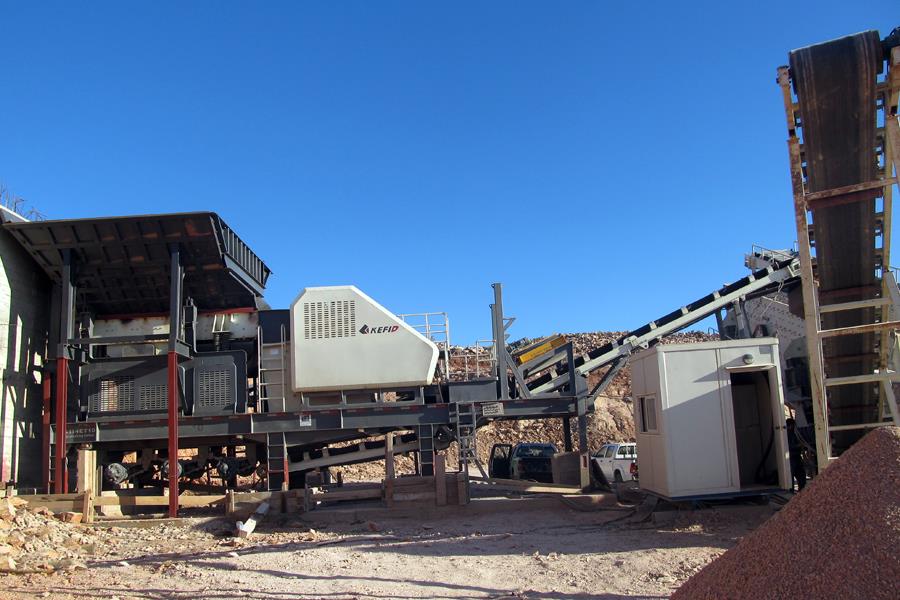
230 TPH Iron Ore Vibrating Feeder Selection for Heavy Duty in Brazil
-
-
Five Ways AI Will Transform Mining in 2026 – From Pilot to Core Decision
-
AI-Powered Industrial Crusher Market to Reach USD 42.81 Billion by 2034
-