
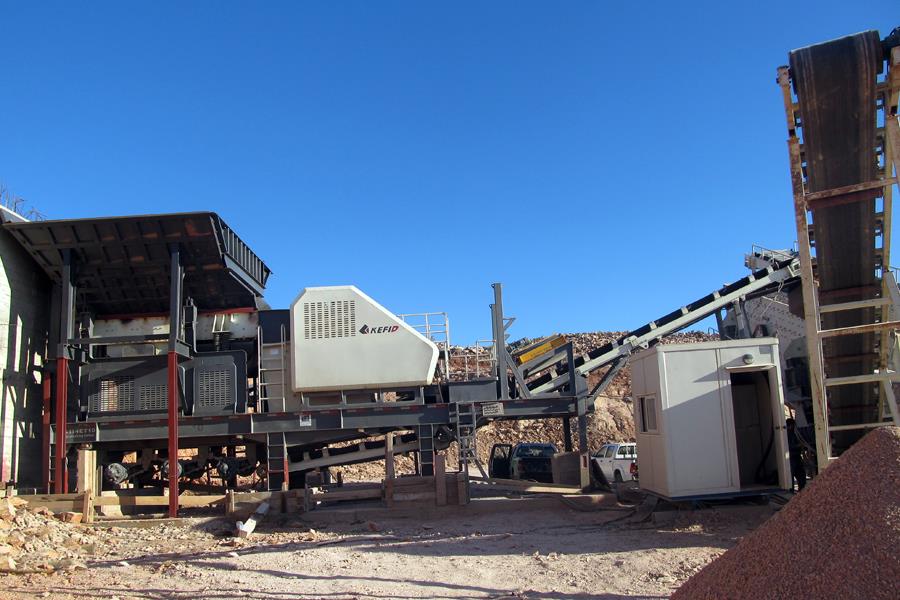
230 TPH Iron Ore Vibrating Feeder Selection for Heavy Duty in Brazil
Pará‘s Iron Ore Dominance: A Market of Global Strategic Importance
Brazil’s iron ore production reached a record 336 million tonnes in 2025, an increase of 2.6% year-on-year, propelling Vale back to the position of the world‘s largest iron ore producer. Pará state and Minas Gerais together account for 98% of national production, with Pará alone responsible for approximately 174.7 million tonnes—representing 30% of all iron ore produced in Brazil. The S11D operation in the Carajás region achieved a record 86 million tonnes in 2025, representing 26% of Vale’s total output. The Serra Sul +20 Mtpa expansion project is currently in commissioning, expected to add 20 million tonnes of annual capacity and increase operational flexibility at S11D. For operators processing iron ore in this demanding environment, selecting a 230 TPH heavy-duty vibrating feeder is not merely a procurement decision—it is a strategic investment that directly impacts primary crusher performance, plant availability, and overall cost per ton.
Why Vibrating Feeders Are Critical for High-Capacity Iron Ore Operations
In high-tonnage iron ore processing, the vibrating feeder serves as the first line of control between the run-of-mine material and the primary crusher. Its role extends beyond simple material delivery: it must absorb the impact of large ore lumps, screen out fines to improve crusher efficiency, and maintain a consistent feed rate to prevent crusher overload or starvation. For a 230 TPH iron ore operation in Pará, where run-of-mine feed can contain lumps exceeding 800 mm, structural rigidity is paramount. Heavy-duty steel frames and robust spring systems are necessary to withstand the continuous impact of coarse, abrasive material. The feeder must also handle the high bulk density of iron ore—typically 2.2 to 2.8 t/m³—which places significant stress on the feeder trough and drive system. Feeders must match the required tonnes per hour without creating bottlenecks, and the feed rate must be adjustable to accommodate variations in crusher load.
Key Selection Parameters for a 230 TPH Iron Ore Vibrating Feeder
Selecting the right vibrating feeder for a 230 TPH iron ore application requires careful evaluation of several critical parameters:
Feed Opening Size: For run-of-mine iron ore with a top size of 800–1,200 mm, a heavy-duty vibrating feeder with a trough width of 1,200–1,500 mm is typically required. The feeder must be capable of handling the maximum expected lump size without bridging or jamming.
Trough Length and Design: Longer troughs provide better material distribution and more effective fines screening. A feeder with a grizzly section at the discharge end allows undersize material to bypass the crusher, reducing wear on crusher components and increasing overall plant throughput.
Drive System and Motor Power: For a 230 TPH application handling coarse, heavy iron ore, motor power typically ranges from 15–37 kW depending on feeder size and material characteristics. Dual motor configurations with eccentric shaft exciters provide the high amplitude and linear motion required for effective material conveying.
Liner Material: The feeder trough bottom must withstand the extreme abrasion of iron ore. NM500-grade wear-resistant steel plates with a thickness exceeding 20 mm and a hardness of HBW500 or higher are recommended for extended service life.
Grizzly Bar Design: For applications where moisture content exceeds 10%, the grate gap should be increased to prevent blinding. For high-hardness ores, alloy steel grates are recommended.
Installation Angle: Vibrating feeders can be installed horizontally or at a downward slope of 5–10 degrees to enhance material flow. The optimal angle depends on material characteristics and site conditions.
All model data and specifications are under continuous R&D; please contact our online team for the latest parameters tailored to your application.
Pará‘s Operating Environment: Challenges and Solutions
Operating a vibrating feeder in Pará‘s iron ore mines presents unique challenges. The region experiences heavy seasonal rainfall, which can increase ore moisture content and cause material build-up on feeder surfaces. For wet materials with water content exceeding 10%, the grate gap needs to be increased or additional vibrators added to prevent blinding. The high silica content of Carajás iron ore—typically associated with itabirite formations—accelerates wear on feeder components, making liner selection and maintenance planning critical. Additionally, Pará‘s mines are located in remote areas with limited access to immediate technical support, meaning equipment must be highly reliable and serviceable with locally available spare parts. Vale‘s guidance for 2026 projects iron ore production between 335–345 million tonnes, with the Capanema project expected to reach full capacity by Q2 2026. The Novo Carajás Program aims to sustain iron ore production and expand the supply of high-quality iron ore through 2030. This sustained production growth means that vibrating feeders operating at 230 TPH must deliver consistent, reliable performance over extended periods, often exceeding 20,000 operating hours.
OCP Mechanical Company: Factory-Direct Feeder Solutions for Pará Operations
With over 40 years of manufacturing experience and exports to more than 180 countries and regions worldwide, OCP Mechanical Company brings proven expertise to Brazil‘s expanding iron ore sector. Our product range includes heavy-duty vibrating feeders, grizzly feeders, jaw crushers, cone crushers, impact crushers, VSI crushers, vibrating screens, and complete crushing and screening plants—all brand-new and built to rigorous quality standards. We understand the specific requirements of Pará’s iron ore operations: equipment must handle extreme abrasion, high bulk density, and variable moisture conditions while delivering consistent throughput in remote locations. As a direct factory manufacturer, we eliminate distributor margins, passing the savings directly to you. This is particularly valuable in the Brazilian market, where import costs and logistics can add significant expense to capital equipment purchases. All price information provided is for reference only; final quotes depend on equipment configuration, shipping terms, optional features, and current exchange rates. Our engineering team works closely with each customer to design custom feeder and crushing plants that match specific site conditions, feed characteristics, and production targets—whether you are supplying material for Vale‘s S11D, Serra Sul, or other major operations across Pará. Product specifications are continuously updated; please consult our online customer service for the latest technical parameters tailored to your application.
Complete Feeding and Crushing Solutions for Iron Ore Operations
A vibrating feeder is most effective when integrated into a complete processing line. OCP Mechanical Company supplies complete crushing and screening plants that include heavy-duty vibrating feeders with grizzly sections, primary jaw crushers for initial reduction, secondary cone crushers for further size reduction, and vibrating screens for classification. Our feeders feature heavy-duty steel frames, wear-resistant liners, and dual eccentric shaft exciters that deliver high amplitude and linear motion for effective material conveying. Every component is matched to the capacity of your 230 TPH iron ore operation in Pará, preventing bottlenecks and ensuring smooth continuous operation across multiple shifts. Our after-sales support includes remote diagnostics, spare parts delivery, and wear-part prediction services to minimise downtime and extend equipment life. With the Brazil mining equipment market projected to grow from USD 3.97 billion in 2025 to USD 4.19 billion in 2026 at a CAGR of 5.66% through 2031, ensuring your feeding and crushing plant remains operational is essential to capitalising on market opportunities. Our team is available to assist with installation supervision, commissioning, and ongoing operational questions. With a 40-year track record of reliability and customer satisfaction, we have built lasting relationships with clients across the globe—relationships based on trust, performance, and mutual success.
Your Next Step: Get Expert Feeder Selection Guidance and a Custom Quote
Pará‘s iron ore sector continues to expand, with record production, major infrastructure investments, and Vale‘s Novo Carajás Program driving the need for efficient processing equipment. For operators processing iron ore at 230 TPH in the Carajás region or elsewhere across the state, selecting the right heavy-duty vibrating feeder is fundamental to protecting your primary crusher, maintaining consistent throughput, and optimising overall plant performance. OCP Mechanical Company offers factory-direct, high-quality vibrating feeders and complete crushing and screening solutions engineered for durability, energy efficiency, and low total cost of ownership—all at competitive prices. Our online customer service is available 24 hours a day, seven days a week, to provide free consultations, updated price references, and equipment selection guidance. Click the chat button now to discuss your project with a specialist—we are ready to help you build a more efficient and profitable iron ore processing operation in Brazil.
-
-
Five Ways AI Will Transform Mining in 2026 – From Pilot to Core Decision
-
AI-Powered Industrial Crusher Market to Reach USD 42.81 Billion by 2034
-
-
Metso Unveils Nordberg C160, HP350e and LT200HPX at Steinexpo 2026



