160-180 TPH Pyrite Cone Crusher Chamber Selection in Peru
Why proper cone crusher chamber selection for pyrite ore processing in Peru is essential for productivity and cost control
Peru's mining sector is experiencing a remarkable resurgence. Mining investment reached USD 3.304 billion in the first half of 2026, a 42.7 per cent increase compared to the same period in 2025. Full-year 2025 mining investment totalled USD 6.225 billion, and the government is targeting accelerated project execution across the country. This sustained investment is driving demand for efficient mineral processing equipment, particularly for complex ores like pyrite. Pyrite (FeS₂) is exceptionally hard and abrasive, causing rapid wear on crusher liners and screens. With a Mohs hardness of 6 to 6.5 and high abrasiveness, pyrite requires specialised crushing equipment that can handle tough feeds while maintaining throughput. For mining operators processing 160-180 tonnes per hour of pyrite ore in Peru, selecting the right cone crusher chamber is a critical decision that directly affects production efficiency, liner life, and operating costs. At OCP Mechanical Company, with over 40 years of manufacturing expertise, we offer factory-direct cone crushers with multiple chamber configurations engineered for hard, abrasive ores like pyrite, providing transparent pricing and customised solutions for the Peruvian market.
Understanding pyrite ore characteristics and their impact on crushing
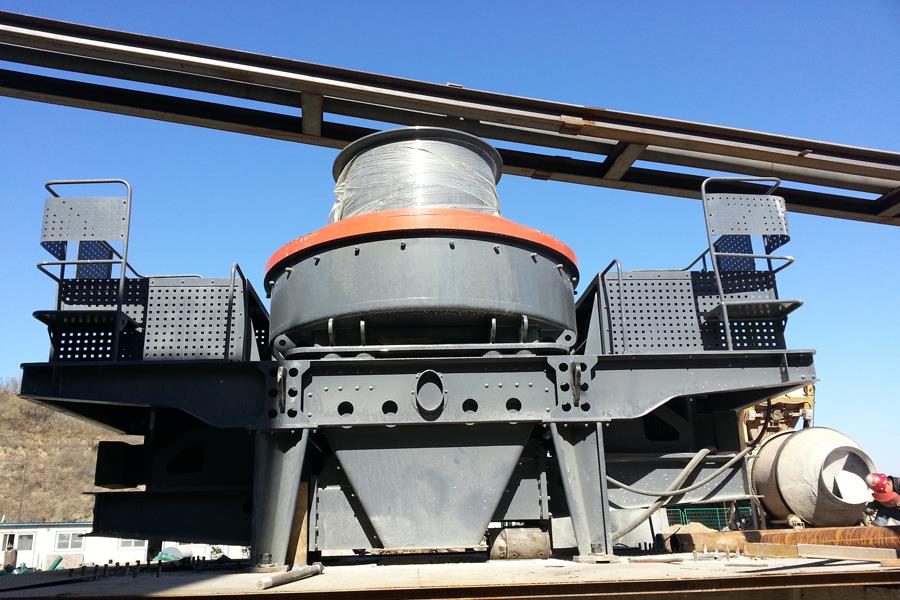
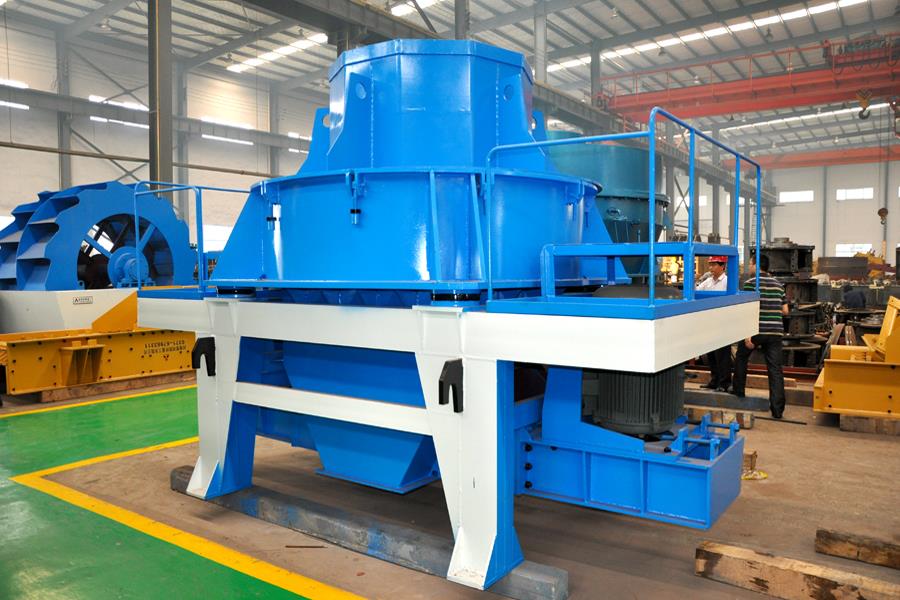
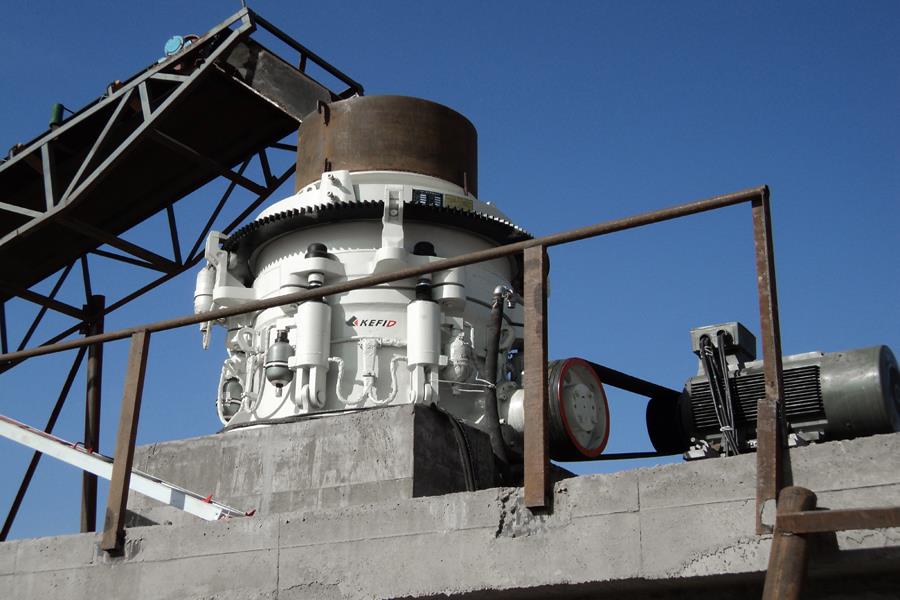
Pyrite is a sulfide mineral with high hardness and exceptional abrasiveness. Its Mohs hardness of 6 to 6.5 and abrasive nature demand robust crushing equipment with optimised chambers capable of maintaining performance while minimising wear. In refractory gold ores where gold is locked in sulphides like pyrite, crushing and grinding serve as pre-treatment before oxidation or roasting. For a 160-180 TPH operation, the feed to the cone crusher typically comes from primary jaw crushing and consists of material in the 20-80 mm size range, with the final product often required to be 10-25 mm for downstream processing. The abrasiveness of pyrite accelerates wear on the mantle and concave liners, making chamber selection a critical factor in achieving consistent throughput and controlling operating costs. When you evaluate 160-180 TPH pyrite cone crusher chamber selection in Peru, the choice of chamber profile directly influences reduction ratio, product shape, and liner life. Our Type C cone crusher is engineered for hard, abrasive ores and features multiple chamber options, including standard, medium, fine, and extra-fine profiles. All product specifications, including capacity and chamber dimensions, are continuously updated; for the latest parameters, please consult our online customer service.
Understanding cone crusher cavity options and their applications
Cone crushers typically offer several cavity options, each designed for specific feed sizes and product requirements. Standard (coarse) cavities are best for hard, abrasive materials with larger feed openings. They are typically used in secondary crushing stages and produce coarser products. Short head (fine) cavities are designed for tertiary or quaternary crushing applications, producing finer, more cubical products. Fine cavities have small feed openings (20-50 mm) and shallow crushing chambers, with crushing ratios of 6-10 and finished product sizes of 5-20 mm. Extra-fine cavities are used for producing very fine sand or ultra-fine aggregates. For pyrite, which is hard and abrasive, the chamber selection should balance reduction ratio with wear life. A standard chamber may be suitable for secondary crushing, while a short head or fine chamber is typically used for tertiary crushing to achieve the final product size. The correct cavity can be selected based on the feed size, setting, and application. When you are determining 160-180 TPH pyrite cone crusher chamber selection in Peru, it is essential to match the chamber profile to your specific feed characteristics and product requirements. Our Type C cone crusher offers a range of interchangeable chamber profiles, allowing operators to select the optimal geometry for their pyrite application.
Key factors in selecting the right chamber for pyrite
When evaluating 160-180 TPH pyrite cone crusher chamber selection in Peru, several critical factors must be considered. The feed size is the first consideration. Each cavity configuration has a maximum feed opening that it can accept. For pyrite, a well-graded feed with consistent size distribution ensures stable crushing performance and maximises liner life. The closed side setting (CSS) is the second factor — the minimum distance between the mantle and concave at the discharge point. A finer CSS produces a finer product but reduces capacity and increases power draw. For pyrite, a CSS of 10-25 mm is common for fine crushing applications. The cavity profile — whether standard, short head, or fine — determines the reduction ratio and product shape. Short head liners are typically used in tertiary or quaternary stages for fine crushing, offering a parallel zone that ensures better product shape and controlled fines. The feed grading is another critical factor; a well-graded feed reduces the risk of packing and ensures even liner wear. Finally, the eccentric throw and stroke affect the crushing action; a longer stroke provides higher reduction but may increase wear. Our engineering team can analyse your pyrite feed characteristics and recommend the optimal chamber configuration to achieve your 160-180 TPH target with consistent product quality and extended liner life.
Matching chamber selection to Peruvian operating conditions
Peru's diverse geography, with mining operations often located at high altitudes exceeding 3,000 metres, requires careful consideration of equipment performance. Higher altitudes reduce motor efficiency, so when selecting a cone crusher, you may need to derate the motor power accordingly. Our Type C cone crusher is available with motors sized for high-altitude operation, ensuring you achieve the full 160-180 TPH capacity. The climate varies from arid coastal areas to humid mountain regions, affecting equipment corrosion and performance. We offer tropicalised electrical enclosures and heavy-duty cooling systems as options. Logistics are also a consideration; many pyrite operations are located in remote areas with limited road access. Our crushers are designed for modular transport and can be assembled on site with minimal heavy lifting. We coordinate with local freight forwarders and provide all necessary documentation for customs clearance. When you evaluate 160-180 TPH pyrite cone crusher chamber selection in Peru, choosing a supplier who understands these local conditions is essential for reliable operation.
Cost and performance trade-offs in chamber selection
The choice of chamber affects both the initial cost of the liners and the long-term operating costs. Fine cavities typically have more complex geometries and may require more frequent liner replacement if the feed is abrasive, but they produce a higher-value product. Standard chambers may offer longer liner life at the expense of product fineness. When you are deciding 160-180 TPH pyrite cone crusher chamber selection in Peru, a cost-benefit analysis is useful. We can provide a projected liner wear curve for each cavity type based on your feed characteristics, helping you estimate the cost per tonne of crushed product. In many pyrite operations, the increased recovery from a finer product more than offsets the additional liner cost. Our Type C crusher is designed for quick liner changes, reducing downtime when you need to switch between cavities or replace worn parts. We also offer a liner exchange program where you return worn liners for recycling, providing a credit toward future purchases. All pricing information is for reference only; final costs depend on your specific configuration and current material prices.
Sample parameter table for Type C cone crusher cavities (For reference only)
The table below provides indicative specifications for the cavity options available on our Type C cone crusher, suitable for 160-180 TPH pyrite fine crushing. Actual values depend on feed size, moisture, and required product; please request the latest data from our customer service, as all parameters are continuously updated.
| Cavity Type | Max Feed Size (mm) | CSS Range (mm) | Typical Capacity (TPH) | Recommended Application |
|---|---|---|---|---|
| Standard | 80-120 | 16-25 | 170-190 | Secondary crushing, coarser product |
| Medium Fine | 60-80 | 12-20 | 165-185 | Secondary/tertiary, balanced wear |
| Fine | 40-60 | 8-15 | 155-175 | Tertiary, final product <15mm |
| Extra Fine | 25-40 | 6-12 | 140-165 | Fine sand, ultra-fine aggregates |
This table is for illustrative purposes only. For precise engineering data and process guarantees, please consult our technical team with your specific pyrite sample.
Why OCP Mechanical is your trusted partner for cone crusher solutions in Peru
With over 40 years of manufacturing experience, OCP Mechanical combines engineering excellence with a customer-first approach. We are a factory-direct supplier, meaning you avoid the markups charged by dealers and importers. Our Type C cone crusher is built with high-quality components and rigorously tested before shipment. We can customise the cavity profile, liner material, and automation level to match your specific pyrite feed and product requirements. Our logistics team has extensive experience shipping to Peru, and we provide all necessary documentation for customs clearance. Our after-sales support includes a 12-month warranty, remote technical assistance, and a comprehensive spare parts supply chain. We also offer on-site training for your operators and maintenance staff. When you seek guidance on 160-180 TPH pyrite cone crusher chamber selection in Peru, we provide expert advice and data-driven recommendations to help you make the right choice.
Conclusion – Choose the right chamber and optimise your pyrite crushing operation
Selecting the correct cone crusher chamber is a vital step in achieving efficient fine crushing of pyrite. By understanding the properties of your ore, the available cavity options, and the operating conditions in Peru, you can make a decision that boosts product quality, reduces operating costs, and maintains steady 160-180 TPH output. OCP Mechanical offers the equipment, expertise, and factory-direct pricing you need to succeed. Our online customer service team is available 24/7 to help you with 160-180 TPH pyrite cone crusher chamber selection in Peru and provide a detailed, no-obligation quote. Click the chat button now – let us help you build a more profitable pyrite processing operation in Peru.