
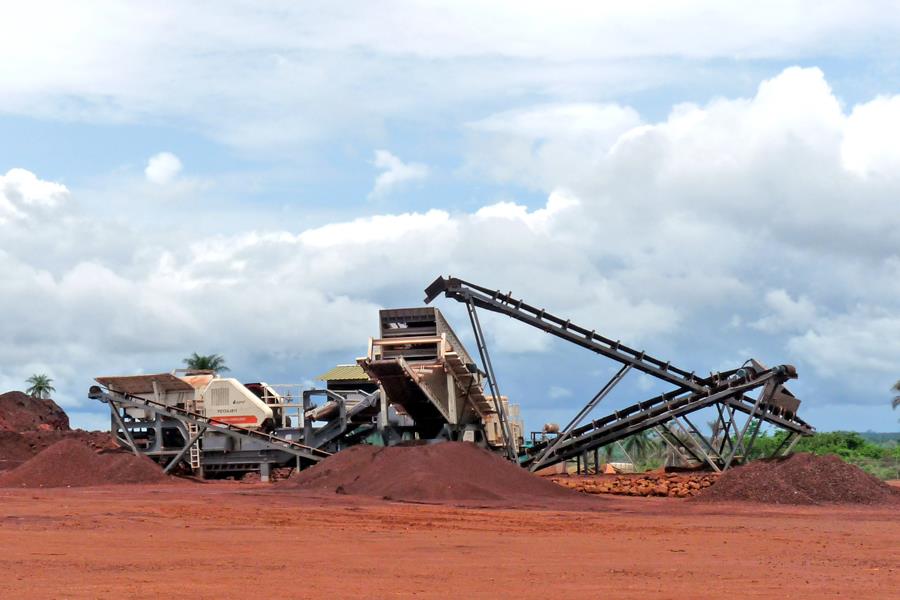
Working Principle of Cone Crushers
Hydraulic cone crushers handle secondary crushing in production lines, specializing in processing medium-hard materials. During operation, issues such as tooth damage, wear, iron jamming, and root cutting of the cone liner may occur. These not only disrupt production but also cause direct or indirect economic losses. To avoid such losses, it is essential to thoroughly understand the working principle of cone crushers to identify solutions more efficiently.
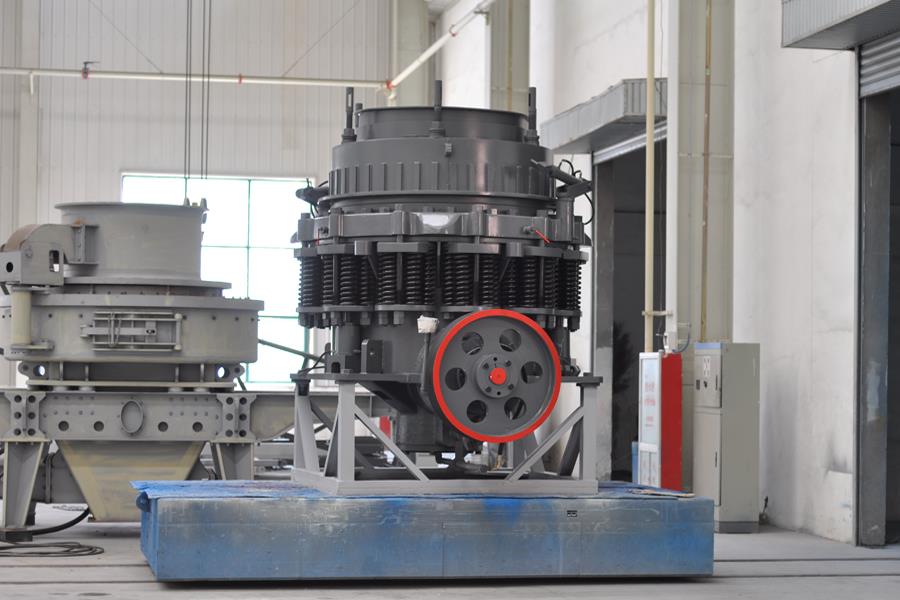
Crushing Principle of Cone Crushers: During operation, the motor drives the eccentric sleeve to rotate via a horizontal shaft and a pair of bevel gears. The crushing cone shaft performs a swinging motion under the eccentric sleeve's drive, causing the crushing wall surface to alternately approach and retreat from the bowl liner surface. This action continuously subjects iron slag within the crushing chamber to compression and bending forces, ultimately breaking it down. Hydraulic oil is injected beneath the hydraulic cylinder piston, causing the crushing cone to rise and the discharge opening to narrow.
We welcome you to visit OCP Heavy Industry for an on-site tour of our facilities and crushers. Consult our experts regarding crusher selection and production line design. Our professionals will recommend suitable crushers and design optimal production lines based on your material properties and regional production characteristics. Click the website chat icon for an immediate free consultation.
-
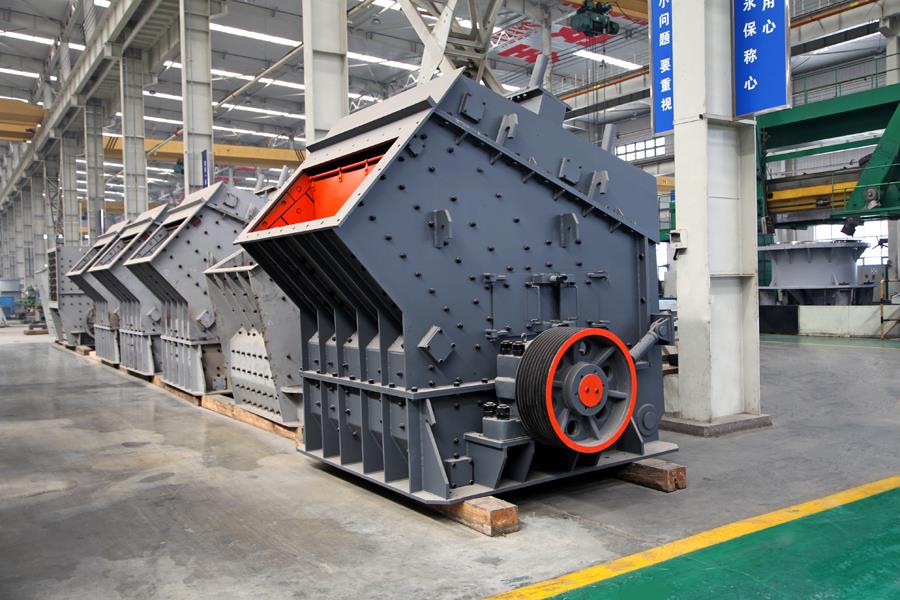
To Boost Production Capacity of Sand and Gravel Production Lines, Keep These Four Points in Mind
-
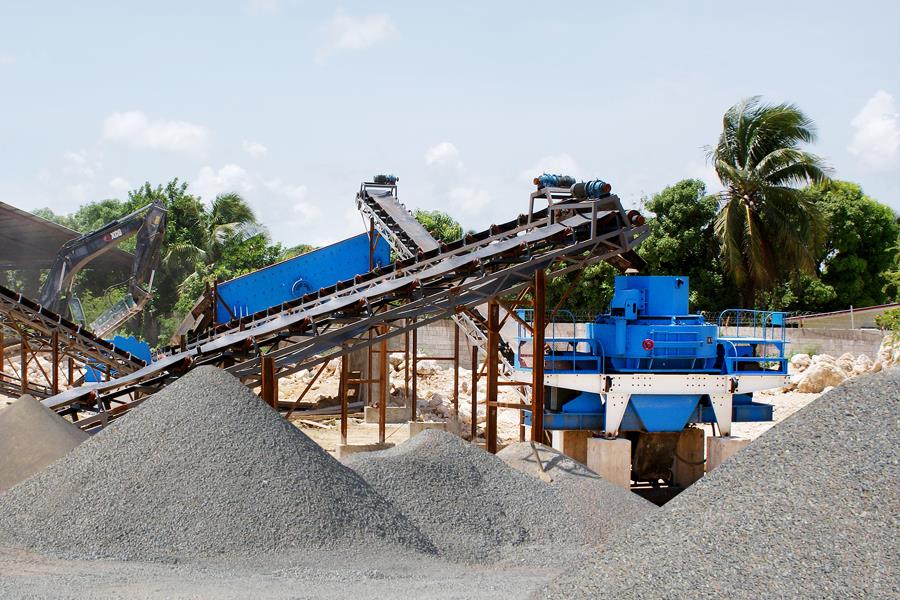
What are the raw materials for manufactured sand? What are the standards?
-
-
-
What factors influence the price of construction waste crushers