
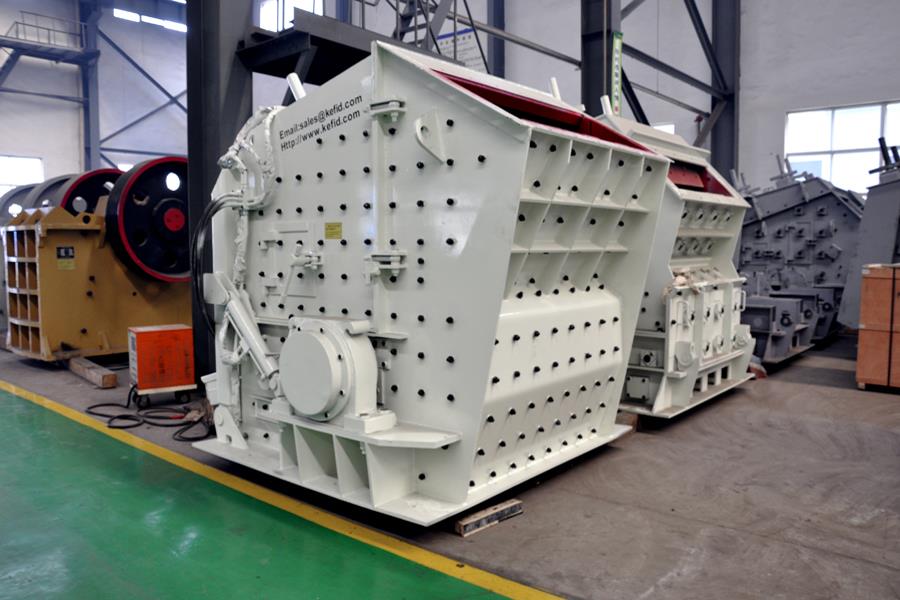
Which Vibrating Screen Deck Is Best for Wet Bauxite 160 TPH in Indonesia
Indonesia‘s Bauxite Boom: A Market Driving Screening Innovation
Indonesia holds approximately 18% of global bauxite supply, with major deposits concentrated across Sumatra, Kalimantan, and other islands accounting for more than 80% of the nation’s 1.2 billion tonnes of reserves . The government‘s downstreaming programme has transformed the sector, with bauxite output projected to reach 5.3 million wet metric tons in 2026—an 89% increase from 2025 . Major investments are advancing rapidly: MIND ID is developing a US$3 billion bauxite-alumina-aluminium processing facility in Mempawah, designed to absorb 6 million tons of bauxite ore per year . A new 800-hectare smelter is being built on Sumatra‘s coast, requiring a minimum investment of IDR 50 trillion . North Sumatra has prepared an initial 406 MW of power supply, with medium-term expansion hinging on the completion of the 500 kV Sumatra transmission backbone . For quarry operators processing wet bauxite at 160 TPH in Sumatra‘s humid tropical climate, selecting the right vibrating screen deck is critical to maintaining throughput, controlling costs, and meeting downstream specifications.
The Unique Challenge of Wet Bauxite Screening
Bauxite from Indonesian deposits—particularly in Sumatra and West Kalimantan—presents specific screening challenges. The ore typically contains significant moisture and sticky clay components, which cause conventional screens to blind, clog, and lose efficiency rapidly . Once moisture climbs above approximately 8%, capillary forces cause fines to agglomerate and coat the screen surface, reducing effective screening area by over 40% within hours and cutting efficiency in half . For a 160 TPH wet bauxite operation, these conditions demand a screening solution engineered specifically for high-moisture, sticky materials. The choice of deck type, motion pattern, and screen media determines whether the plant achieves consistent classification or suffers from frequent downtime and manual cleaning.
Linear Motion Screens: Superior Performance for Wet, Sticky Materials
When determining which vibrating screen deck is best for wet bauxite 160 TPH in Indonesia, linear motion screens emerge as the preferred choice for high-moisture applications. Unlike circular motion screens, which are prone to blinding with wet feeds, linear motion screens provide excellent performance even in high moisture applications . The linear oscillating motion, combined with high screen acceleration and large vibration amplitude, makes them suitable for bauxite fines and other moist materials . Linear motion screens often outperform circular ones for wet materials due to better material transport, and they handle moisture-laden feeds with superior efficiency . For a 160 TPH bauxite operation, a double-deck or triple-deck linear motion screen enables simultaneous classification into multiple product fractions, maximising plant efficiency and reducing recirculating loads.
Polyurethane Screen Media: The Anti-Blinding Solution
The screen media—the surface through which material passes—is the most critical wear component in any vibrating screen, and for wet bauxite, polyurethane (PU) panels are the clear choice. Polyurethane‘s non-stick, flexible nature prevents clay and wet fines from adhering to the surface, maintaining open aperture area and consistent screening efficiency . The technology has proven particularly effective in operations processing challenging bauxite compositions with high silica content, sticky clay components, and variable moisture levels . Polyurethane screen panels are ideal for screening iron ore, copper ore, and bauxite, with life expectancy far exceeding woven wire cloth in wet applications due to excellent wear resistance and resiliency . For a 160 TPH wet bauxite vibrating screen in Indonesia, modular polyurethane panels also enable quick replacement of worn sections without removing the entire deck, significantly reducing maintenance downtime.
Banana Screens: High Throughput for Demanding Applications
For operations seeking maximum throughput in a compact footprint, banana screens (also known as multi-slope or equal-thickness screens) offer a compelling alternative. Banana screens combine linear motion with a curved deck profile that progressively decreases in angle from feed to discharge, allowing finer material to pass through the initial steeper sections while coarser material moves to flatter sections for further classification. They are specifically designed for super fine, high moisture content and sticky material sieving, including bauxite . Banana screens generate high material travel velocities on the upper deck slopes, minimising bed depth at the feed end and enabling higher throughputs than equivalent horizontal screens . For a 160 TPH wet bauxite application, a banana screen with linear motion and polyurethane panels can deliver the capacity and anti-blinding performance required for continuous operation.
Deck Configuration: Matching Layers to Product Requirements
The number of decks directly determines how many product fractions the screen can produce in a single pass. A triple-deck screen, for instance, can simultaneously produce up to four different sized products . For a 160 TPH wet bauxite operation in Indonesia, the optimal deck configuration depends on the required product mix. A double-deck screen is typically sufficient for two-product separation—such as coarse and fine fractions for downstream processing. A triple-deck configuration is preferred when three or more product sizes are required, offering greater flexibility and reducing the need for additional screening stages. The screen deck area must be matched to the 160 TPH throughput requirement, with adequate area to maintain bed depth within the optimal range for efficient stratification and separation.
Key Parameters for a 160 TPH Wet Bauxite Vibrating Screen
Selecting the right vibrating screen for a 160 TPH wet bauxite application requires careful evaluation of several critical parameters. The vibration frequency for wet, sticky materials typically ranges from 800 to 1,500 RPM, with higher frequencies enhancing stratification of fines . The screen inclination should be set between 15° and 25°, with steeper angles promoting faster material travel for higher capacity . The G-force must be sufficient to overcome the adhesive forces of wet bauxite, with linear screens typically operating at higher G-force than circular screens. Spray bars integrated into the screen deck can assist with material flow and reduce blinding in wet screening applications. The motor power and drive mechanism must be sized to handle the 160 TPH load consistently. All model data are under continuous R&D; please contact our online team for the latest specifications tailored to your application.
OCP Mechanical Company: Factory-Direct Vibrating Screen Solutions for Indonesia
With over 40 years of manufacturing experience and exports to more than 180 countries and regions worldwide, OCP Mechanical Company supplies linear motion vibrating screens, banana screens, circular vibrating screens, dewatering screens, jaw crushers, cone crushers, impact crushers, VSI crushers, and complete crushing and screening plants—all brand-new and built to rigorous quality standards. Our screens are available in single, double, and triple-deck configurations with polyurethane or rubber screen media optimised for wet, sticky materials like Indonesian bauxite. As a direct factory manufacturer, we eliminate distributor margins, passing the savings directly to you. This is particularly valuable in the Indonesian market, where import costs and logistics can add significant expense to capital equipment purchases. All price information provided is for reference only; final quotes depend on equipment configuration, shipping terms, optional features, and current exchange rates. Our engineering team works closely with each customer to design custom screening plants that match specific site conditions, feed characteristics, and production targets—whether you are processing bauxite for the Mempawah smelter, the Sumatra facilities, or emerging projects across the archipelago. Product specifications are continuously updated; please consult our online customer service for the latest technical parameters tailored to your application.
Complete Screening Solutions and After-Sales Support for Sumatran Operations
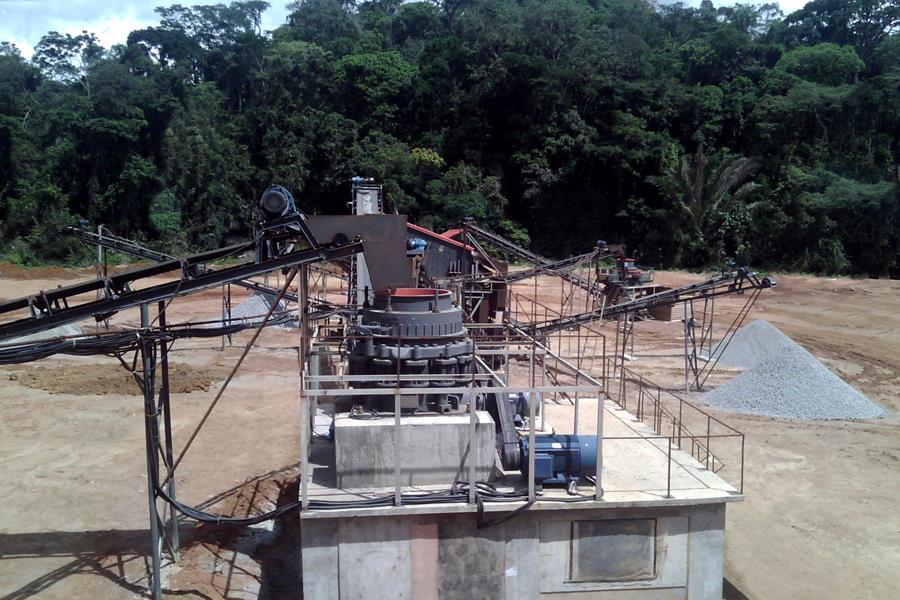
A vibrating screen is most effective when integrated into a complete processing line. OCP Mechanical Company supplies complete crushing and screening plants that include vibrating feeders, primary jaw crushers, secondary cone crushers, vibrating screens with polyurethane decks, and conveyors for material handling. Every component is matched to the capacity of your 160 TPH wet bauxite operation in Indonesia, preventing bottlenecks and ensuring smooth continuous operation across multiple shifts. Our after-sales support includes remote diagnostics, spare parts delivery, and wear-part prediction services to minimise downtime and extend equipment life. With Indonesia‘s bauxite output projected to rise significantly and major downstream projects advancing across Sumatra and Kalimantan, ensuring your screening plant remains operational is essential to capitalising on market opportunities. Our team is available to assist with installation supervision, commissioning, and ongoing operational questions. With a 40-year track record of reliability and customer satisfaction, we have built lasting relationships with clients across the globe.
Your Next Step: Get Expert Screening Guidance and a Custom Quote
Indonesia‘s bauxite sector is entering a new era of unprecedented growth, driven by the downstreaming programme, major smelter investments, and rising global demand for aluminium. For operators processing wet bauxite at 160 TPH, selecting the right vibrating screen deck—with linear motion, polyurethane media, and appropriate deck configuration—is fundamental to achieving consistent product quality, maximising plant efficiency, and maintaining profitability. OCP Mechanical Company offers factory-direct, high-quality vibrating screens and complete crushing and screening solutions engineered for durability, energy efficiency, and low total cost of ownership—all at competitive prices. Our online customer service is available 24 hours a day, seven days a week, to provide free consultations, updated price references, and equipment selection guidance. Click the chat button now to discuss your project with a specialist—we are ready to help you build a more efficient and profitable bauxite processing operation in Indonesia.
-
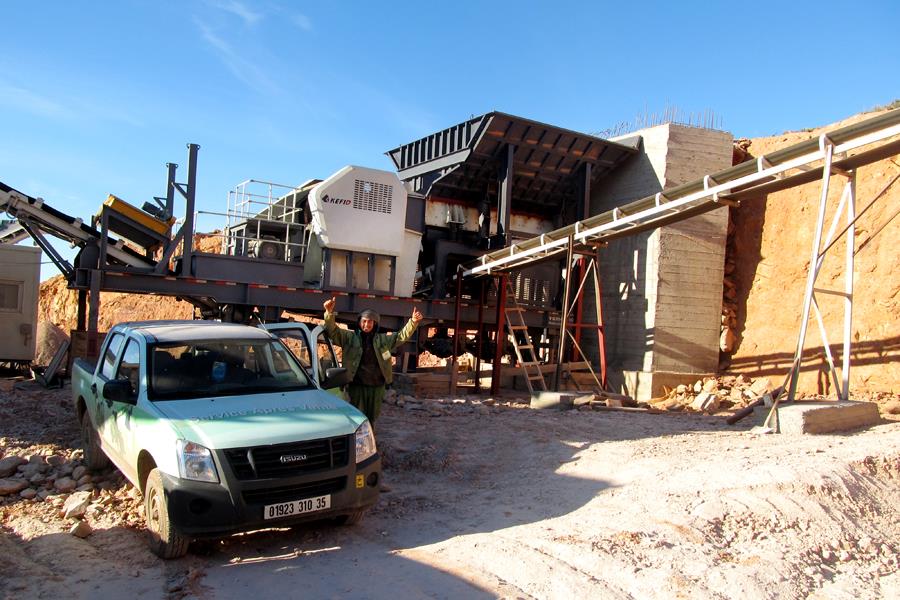
China's Solid Waste Plan Targets 4.5 Billion Tonnes, Opening New Crushing Market
-
-
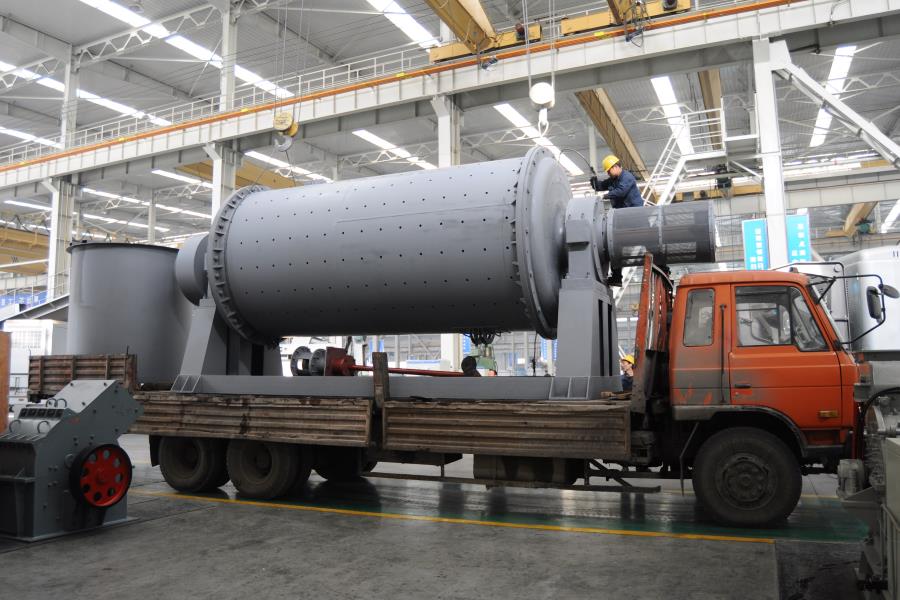
How to Extend Jaw Plate Life in Copper Ore Crushing 150 TPH in Zambia
-
-
180-200 TPH River Pebble Jaw Crusher Setup in Davao Philippines



