Which is better: mobile crushers or stationary crushers
Stationary crushing production lines boast a long service life and mature, stable processes. Most mining crushing stations are fixed installations. With advancements in mining equipment technology and process techniques, cost-effective mobile crushing stations have also gained significant popularity. So, what are the advantages of mobile versus stationary crushing production lines? Which requires higher investment costs? How to choose? Consider a mine processing 4,000 tons of raw ore daily using a two-stage closed-circuit crushing process, reducing ore below 650mm to material under 30mm.
1. Solution Comparison
1.1 Fixed Crushing Station
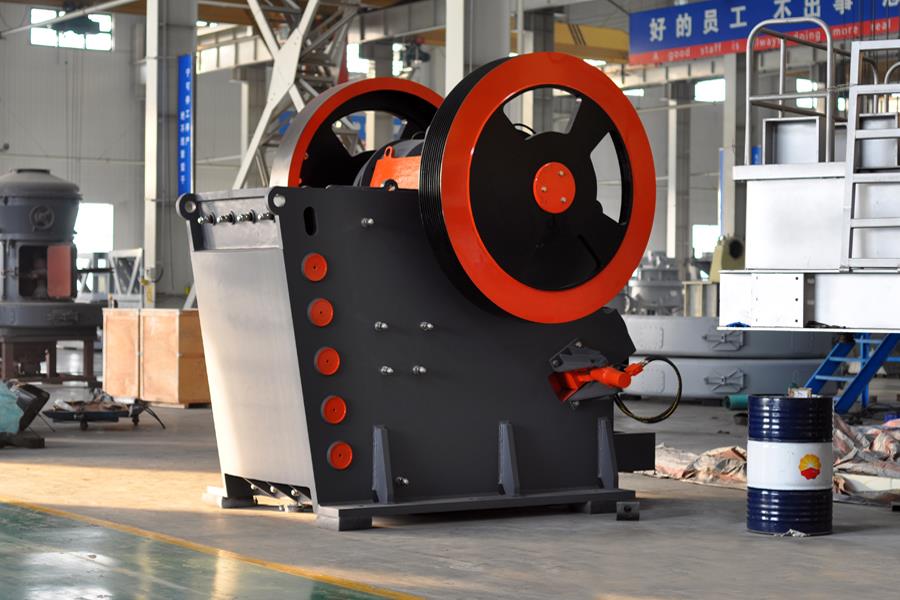
A fixed crushing station involves installing crushing equipment at a suitable site. Once installed, this production line cannot be relocated.
1. Fixed crushing stations require civil engineering works and steel structures, including equipment foundations, partial groundwork, retaining walls, reinforced concrete silos, steel-framed workshops, and belt corridors. Civil engineering investment is substantial.
(1) Advantages:
① Conventional process layout with mature construction and operation practices;
② Centralized crushing allows for larger equipment selection.
(2) Disadvantages:
① Large footprint with stringent site selection requirements;
② High civil engineering investment, extended construction cycles, and numerous uncontrollable factors;
③ Requires 5 operators per shift and 2 forklifts;
④ Lengthy process flow with multiple equipment units, complicating management;
⑤ Requires short-distance material transfer, increasing crushing costs;
⑥ Civil engineering structures become unusable after ore extraction.
2. Mobile Crushing Station
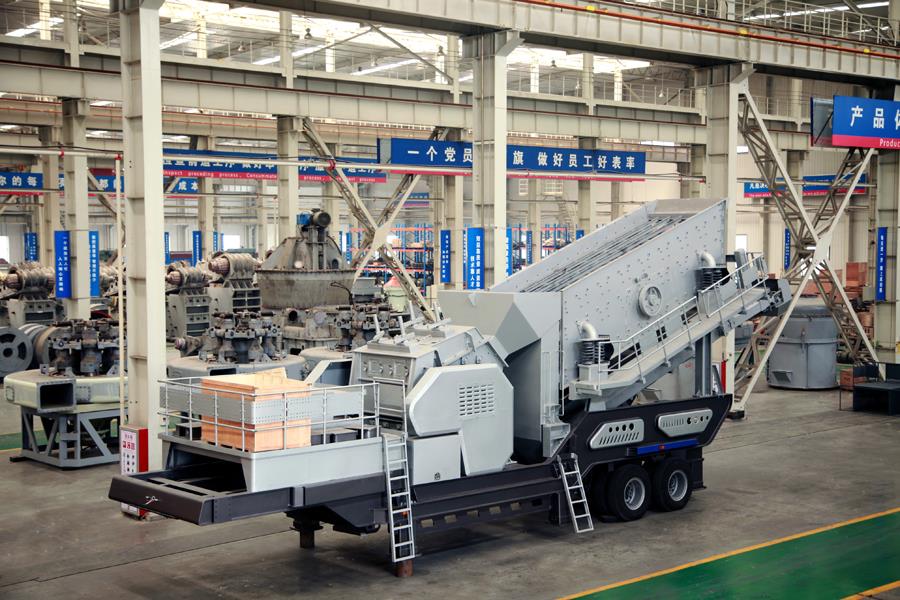
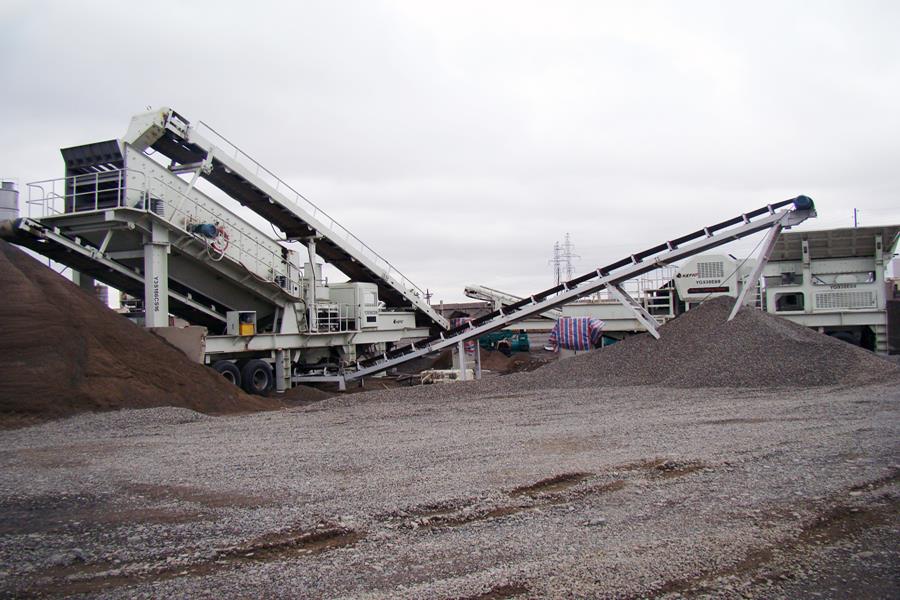
Mobile crushing stations offer mobility and easy relocation, enabling direct operation on mining platforms. They provide flexibility without requiring factory buildings or civil foundations, making them ideal for mines facing land acquisition challenges. Additionally, mining resources can be transferred to any other site for continued use. Mobile crushing stations are more economical and practical than fixed crushing stations.
Mobile Crushing Plant
(1) Advantages:
① Manufactured as a complete unit, requiring no on-site assembly—operational upon power connection;
② Compact footprint, deployable directly on existing mining platforms;
③ Post-blasting ore is fed directly from mining excavators into the plant's hopper; qualified raw ore is transported by truck to processing plants immediately after crushing;
④ Eliminates civil engineering and factory buildings;
⑤ Dual fuel/electric operation enables flexible field deployment with self-propelled mobility via remote control or manual driving;
⑥ Reduced investment pressure;
⑦ Requires only 2 operators per shift: one for excavator feeding and one for loader loading;
⑧ Upon completion of mining operations, the equipment can be relocated for crushing at other sites (including various ores from original mines, construction aggregates, construction waste, and stone quarries near highways or high-speed railways);
⑨ No short-haul transportation of raw ore required, resulting in relatively low crushing costs;
⑩ Short manufacturing cycle with rapid return on investment.
(2) Disadvantages:
① Relatively higher investment if configured with high-capacity processing equipment;
② Multiple units are required for simultaneous operation at numerous mining sites.
3. Investment Cost Comparison Analysis
(1) Compared to a fixed crushing plant, the total cost for equipment, facilities, and civil engineering amounts to 16.14 million yuan. A mobile crushing plant, including a mobile jaw crusher, mobile cone crusher, and mobile screening machine, costs approximately 14.5 million yuan. This represents a savings of 1.64 million yuan over a fixed crushing plant.
(2) Operational Cost Comparison
① Power Consumption. Both fixed and mobile crushing stations have an installed capacity of 500kW, resulting in identical power consumption.
② Labor. Fixed stations require 5 operators per shift, while mobile stations require 2 operators per shift.
③ Wear Parts. Both types have identical wear part requirements.
④ Supporting Heavy Machinery. The fixed crushing station requires two forklifts: one for feeding raw ore from the storage bin and one for loading powdered ore onto trucks. The mobile crushing station requires one excavator for feeding and one forklift for loading powdered ore. While the mobile station uses one additional excavator for feeding, it requires one fewer forklift, resulting in three fewer operators per shift compared to the fixed station. Actual calculations show similar overall costs. Taking a mine processing 4,000 tons of raw ore per day as an example: Compared to mobile crushing plants, fixed plants exhibit minimal investment differences and comparable operational costs. However, mobile plants offer mobility advantages, enabling direct operation on mining platforms with flexibility and convenience. They eliminate the need for factory buildings and civil engineering foundations, making them particularly suitable for mines facing land acquisition challenges. Furthermore, after resource extraction, they can be towed to any location requiring crushing operations for continued use. Consequently, mobile crushing plants prove more economical and adaptable than fixed plants. The selection between mobile stations and fixed lines should be based on a comprehensive analysis of various factors tailored to specific circumstances.
As a large-scale machinery manufacturer integrating design, production, and sales, OCP Machinery has earned widespread recognition and acclaim from customers over the years through its advanced technology, reliable quality, and comprehensive after-sales service. If you are interested in our fixed production line equipment or mobile crushing stations, please feel free to contact our customer service team for consultation. We are available 24/7 online.
-
-
-
What equipment is required for a sand production line configuration
-
What are the advantages of mobile sand-making crushing stations
-