Which crushers are suitable for processing construction waste and similar materials
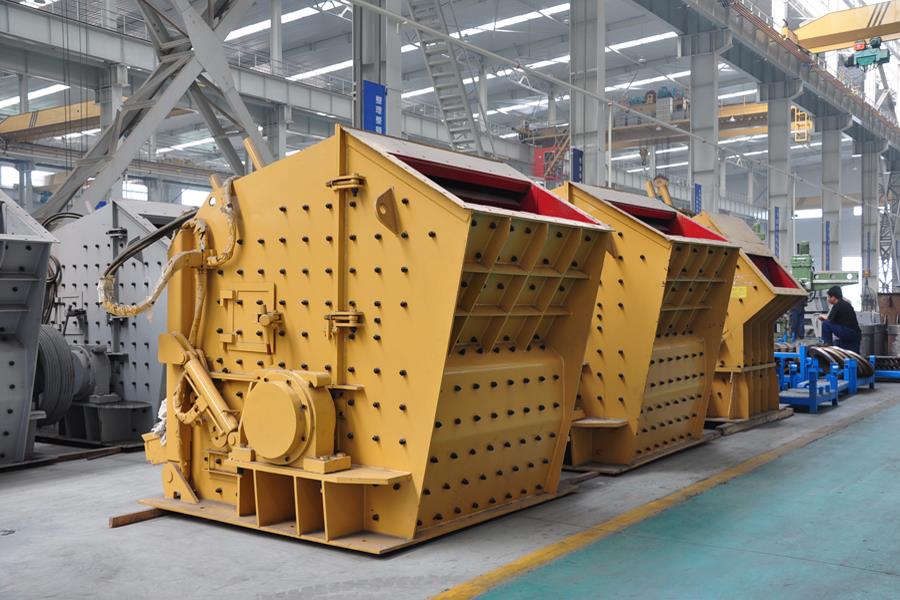
The rock sources for manufactured sand are diverse. Statistics indicate that over 200 types of ore materials in the mining industry can be used to produce manufactured sand, including common types like pebbles, river pebbles, bluestone, and granite. Regarding which raw material is superior for manufactured sand, pebbles and river pebbles account for the highest proportion overall. Other materials like granite, limestone, bluestone, quartzite, waste concrete, and construction waste can also be used for sand production. The quality of the sand depends not only on the raw material but also on the selection of sand-making equipment. Therefore, it is essential to choose the appropriate sand-making machine based on the specific characteristics of the material. Achieving high-quality manufactured sand necessitates premium processing equipment integrated with advanced, high-standard sand and gravel processing workflows, such as impact crushers and impact sand makers. Inadequate configuration or substandard crushing equipment will inevitably cause severe damage to the stone material. Different raw materials demand distinct sand-making equipment. We must consider factors like feed material, desired particle shape, and regional altitude when equipping a manufactured sand production line with suitable crushers. Which crushers are best suited for processing construction waste materials?
Processed Materials: Waste bricks, concrete blocks, demolition debris, and other construction waste.
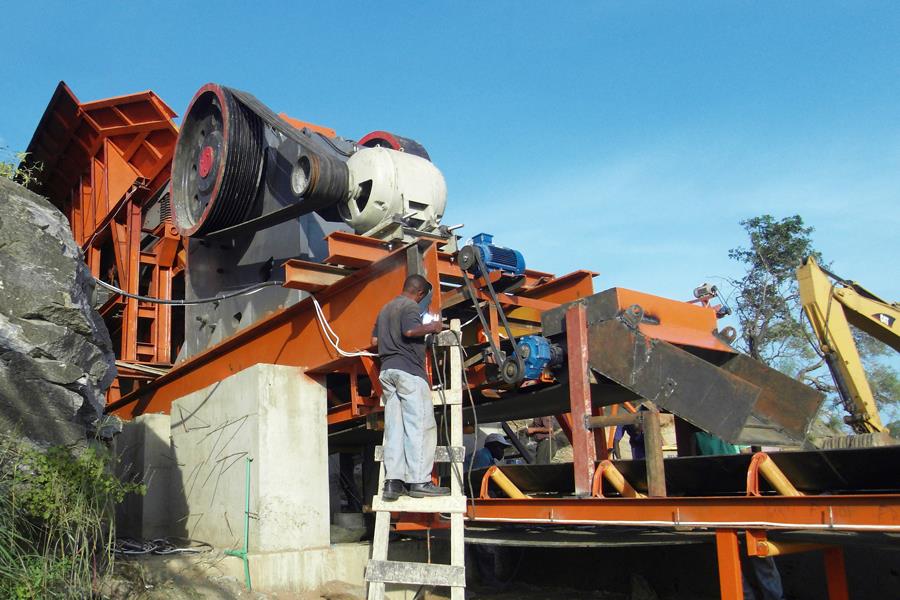
Equipment Configuration: Multi-unit combinations including mobile jaw crushing stations, mobile impact crushing stations, mobile cone crushing stations, and mobile crushing and screening stations.
Mobile crushing stations utilize crushers such as jaw crushers, impact crushers, cone crushers, impact crushers, and screening equipment. Multiple configuration options are available based on customer materials and requirements. Based on varying client operating conditions, processed materials, and technical specifications, the system incorporates one or more mobile unit modules (primary crushing, secondary crushing, tertiary crushing, screening, sand-making units) with diverse equipment configurations and process combinations to scientifically and comprehensively meet client requirements. Mobile crushing stations are categorized by mobility into tire-mounted and track-mounted types, accommodating diverse terrain requirements for expanded production capacity. Tire-mounted stations feature compact designs suitable for level sites, while track-mounted units offer low ground pressure, superior stability, and excellent maneuverability—enabling smooth operation across rugged mountainous terrain. Both configurations deliver exceptional flexibility and reliability, significantly reducing time, labor, and material costs to maximize client profitability!
Manufactured sand finds applications in infrastructure projects such as subway construction, libraries, parks, overpasses, plazas, and stadiums, as well as reinforced concrete high-rises, highways, railways, and bridges—any industry requiring sand and gravel aggregates or natural sand. Achieving high-quality manufactured sand necessitates premium processing equipment paired with advanced, high-standard sand and gravel processing workflows.
For appointments, discounted pricing, model specifications, design solutions, or other inquiries, feel free to consult our customer service team at no cost or leave us a message. We will respond promptly.
-
Why does the screening surface of vibrating screens age so quickly
-
What type of crusher is suitable for processing limestone and other softer ores
-
Solutions for Continuous Oil Leakage During Vibrating Screen Operation
-
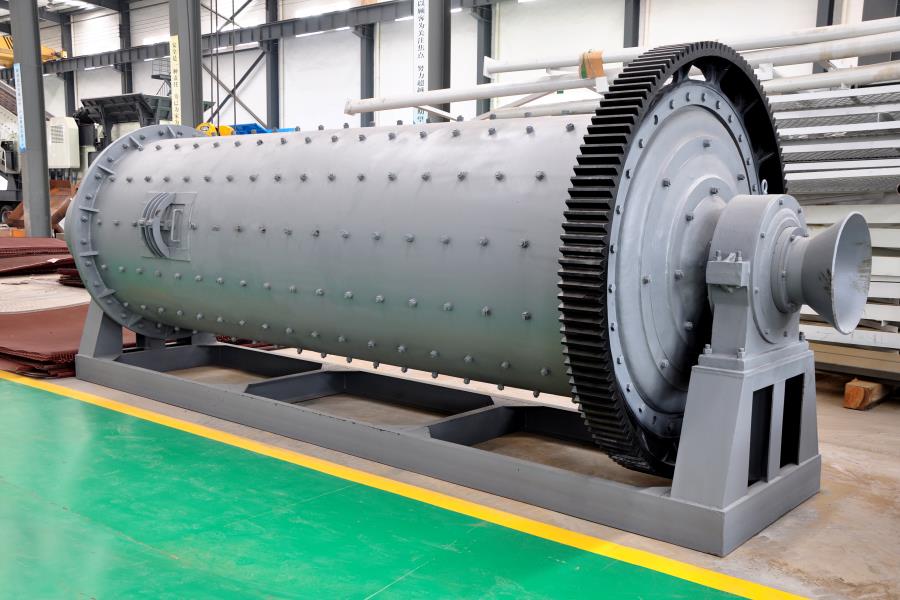
What type of sand-making machine is best for crushing stones into sand
-