What types of sand and gravel processing equipment are available
Sand and gravel are materials with which everyone is familiar. They serve as the primary building materials for concrete and masonry structures in infrastructure, road construction, and water conservancy projects. They refer to a loose mixture of sand particles and crushed stone, processed from various types of ore. But what types of sand and gravel processing equipment are available?
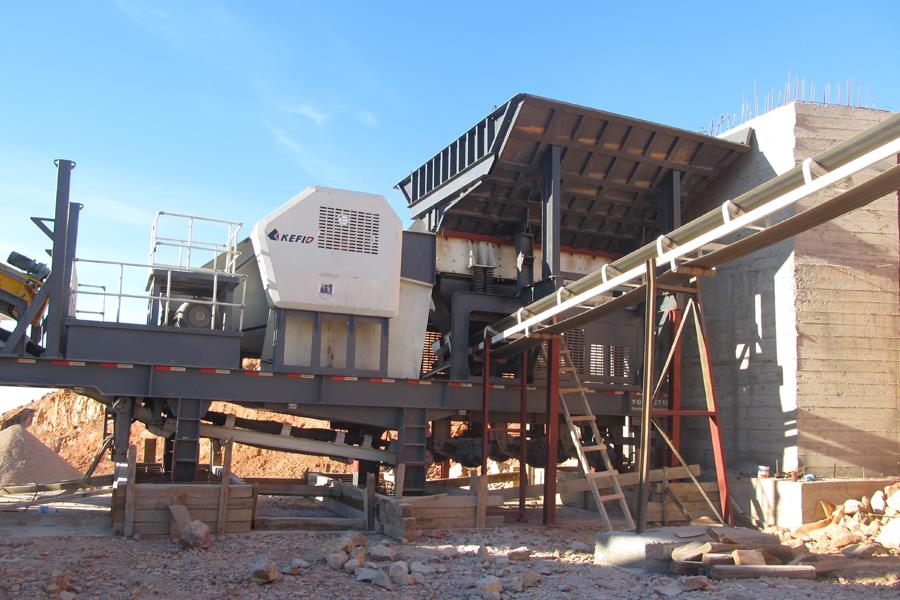
According to relevant standards, rock particles with a grain size of 0.074–2 mm are typically classified as sand, while those larger than 2 mm are classified as gravel. Therefore, sand and gravel processing equipment primarily consists of four major categories of machinery: crushing, sand making, screening, and washing. The processing of raw materials is completed through processes such as primary crushing, secondary crushing, and sand making. Core equipment includes jaw crushers, cone crushers, impact crushers, and impact sand makers.
Primary Crushing:
Jaw crushers are suitable for raw materials with larger particle sizes. Their core components consist of a pair of movable and fixed jaw plates. An electric motor drives an eccentric shaft, causing the movable jaw to perform periodic reciprocating motion, which exerts a squeezing and splitting force on the material to complete the crushing process. The crushing chamber is deep, eliminating dead zones. Optimized motion parameters, a large lower stroke, and a higher crushing ratio are achieved. The discharge opening is adjusted using a wedge mechanism, allowing for adjustable and uniform final product particle size. The integrated structure of the motor base and main unit simplifies installation and saves space.
Secondary Crushing:
Cone Crusher (suitable for hard rock) or Impact Crusher (for medium to low hardness materials)
The cone crusher features a brand-new structural design, an optimized laminar crushing chamber, an intelligent automated control system, and an innovative internet-based control system. It offers high production capacity and low energy consumption. The design with a large eccentricity and high swing frequency allows the equipment to operate at lower speeds, enabling adjustments to the product gradation to produce a smaller amount of fine material. All major components of the main unit can be disassembled from the top or side, making operation more convenient, saving labor and time, and reducing maintenance costs.
The impact crusher features a heavy-duty rotor design, providing greater rotational inertia. Wedge-fixed hammer plates ensure stability during high-speed rotation, offering reliable operation and easy replacement. Equipped with an adjustment mechanism, it can freely switch between primary and secondary crushing modes, ensuring the crushed aggregate exhibits a cubic particle shape with minimal fines. The hydraulic system automatically adjusts the gap between the impact frame and the hammer plates, effectively reducing labor intensity while increasing output.
Sand Making:
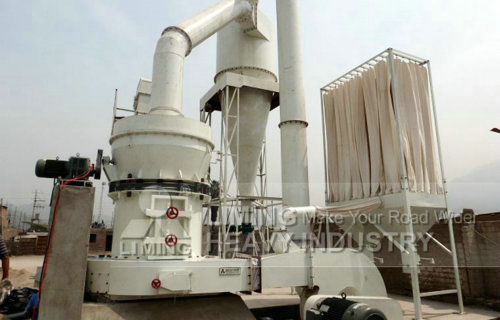
The impact sand maker integrates multiple crushing modes, capable of both crushing and sand production. Through improvements in the four-port impeller design and the impact angle within the crushing chamber, the finished product is relatively fine, predominantly polyhedral in shape with excellent grain quality. It balances the wear-resistant peripheral liners with the rock’s natural fracture points, featuring a specially developed low-wear structure that reduces maintenance costs. Combined with a large discharge opening, material flows smoothly, preventing blockages and avoiding abnormal equipment damage. The hydraulic cover-opening mechanism facilitates inspection and maintenance.
Screening:
Materials are then screened and graded using a vibrating screen to produce sand and gravel of various specifications. Additionally, non-compliant materials are returned for reprocessing.
Conveying:
Belt conveyors ensure continuous material flow between processes, maintaining the continuity of the production line.
Washing:
A sand washer removes impurities such as soil and dust from the sand and gravel through water washing. It also breaks up the water film to facilitate dewatering. In mineral processing, this step allows for the separation of fine particles, thereby improving product purity.
Standard Process Flow:
Raw Material Bin → Vibrating Feeder → Jaw Crusher → Impact Crusher/Cone Crusher → Impact Sand Maker → Vibrating Screen → Sand Washer → Conveyor;
Intelligent Control System:
PLC + IoT enables remote monitoring and fault alerts.
Mobil centralized lubrication system reduces maintenance frequency.
Dust Control:
Integrated pulse dust collector + mist cannon (dust suppression efficiency >80%).
Vortex crushing chamber with self-circulating structure reduces metal wear.
For many years, Henan OCP has been dedicated to serving every customer with mining equipment needs. We have earned the trust of our partners, achieving mutual success through collaboration. We ship ready-to-use equipment directly to construction sites to shorten project timelines and dispatch technical personnel to assist with design and construction, striving for optimal solutions that minimize costs. For specific quotes on sand and gravel processing equipment, please contact our manager online. Special offers are currently available.